
DJ & sound system
DJ sound: adjust bass, mids and treble
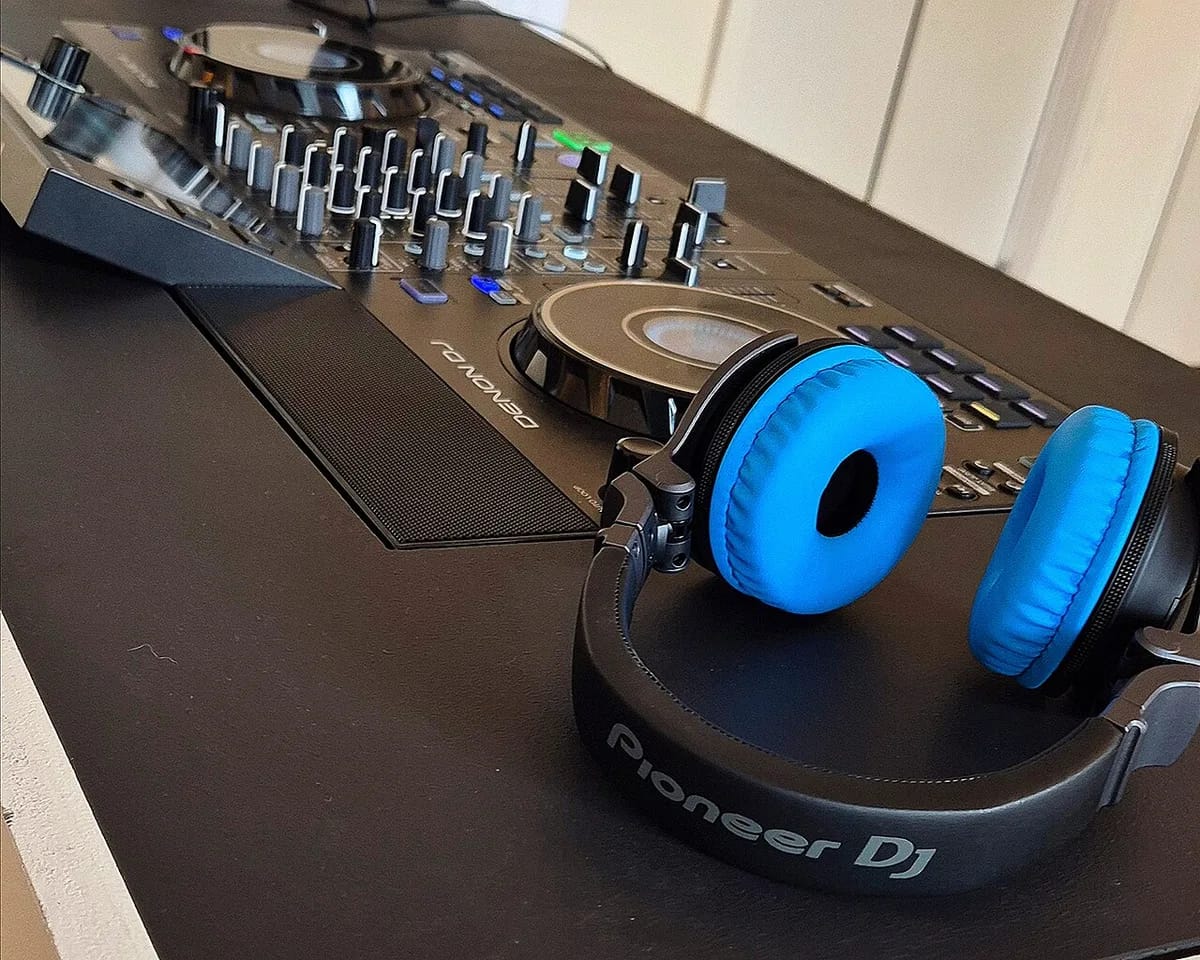
We recognize a good DJ less by his spectacular effects than by the cleanliness of his sound. And at the heart of this cleanliness is equalization: those three little knobs — bass, mids, treble — that equip all mixing desks. Used correctly, they allow you to link two songs together without a hitch, avoid sound mush and keep a powerful mix all evening. Poorly tuned, they transform a good selection into a cacophony. Here's how to master EQ for perfect sound.
Know before you plan: DJ equipment cannot be shipped. He withdraws and goes in person to Lyon 3 (2 Impasse du Lutin, 69003 Lyon), by appointment. The excess of €200 is paid on site at the drop-off and returned to you on return.
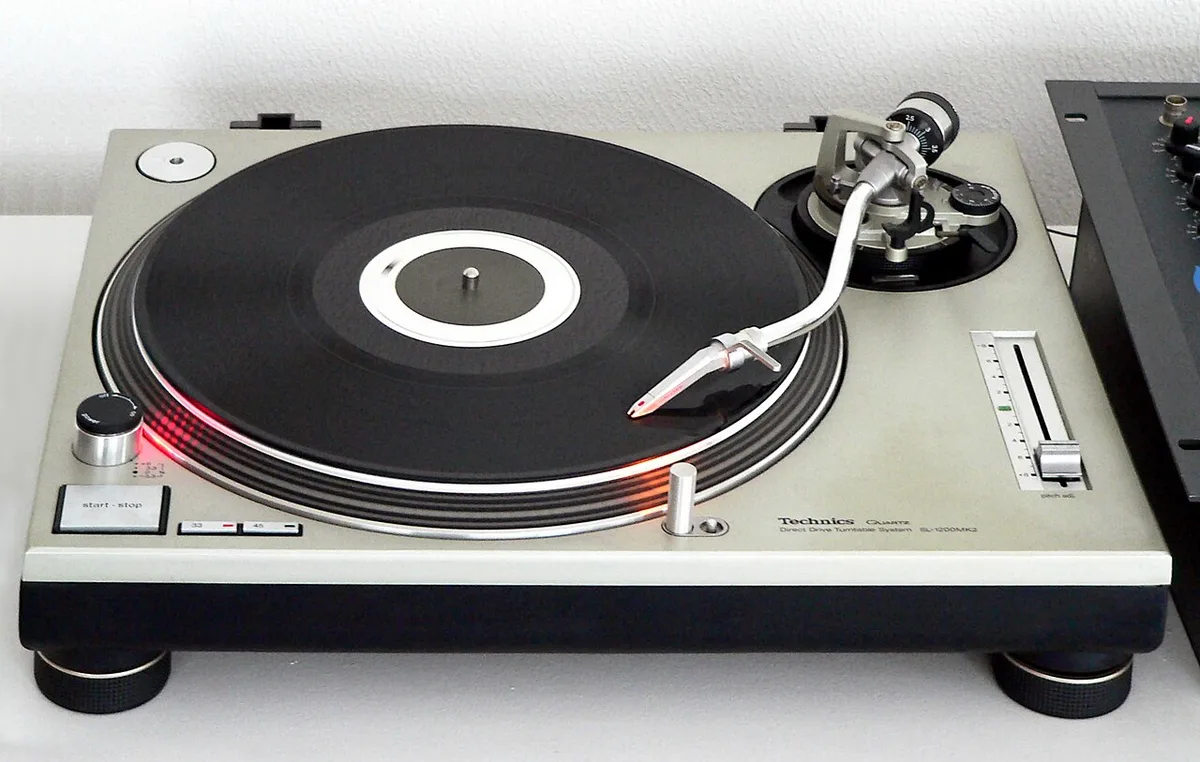
At Fox Rider, find our Pioneer XDJ-RX3 for rental as well as our Technics SL-1210 MK2 for rental to train on real equipment.
Understanding the three frequency bands
The equalizer of a mixing board divides the sound into three zones that the ear perceives distinctly:
- Bass (Low): kick, bass drum, bass line. It’s the physical energy of the piece, the one that makes the ground vibrate.
- The mediums (Mid): the voice, the instruments, the body of the piece. This is the busiest band and the trickiest to manage.
- Treble (High): cymbals, hi-hats, elements of brilliance and detail.
Each potentiometer allows you to accentuate (boost) or reduce (cut) its band. The golden rule of pros: you cut more than you add. Reducing an annoying frequency produces a much cleaner sound than pushing another one.
The bass swap: the basis of a clean transition
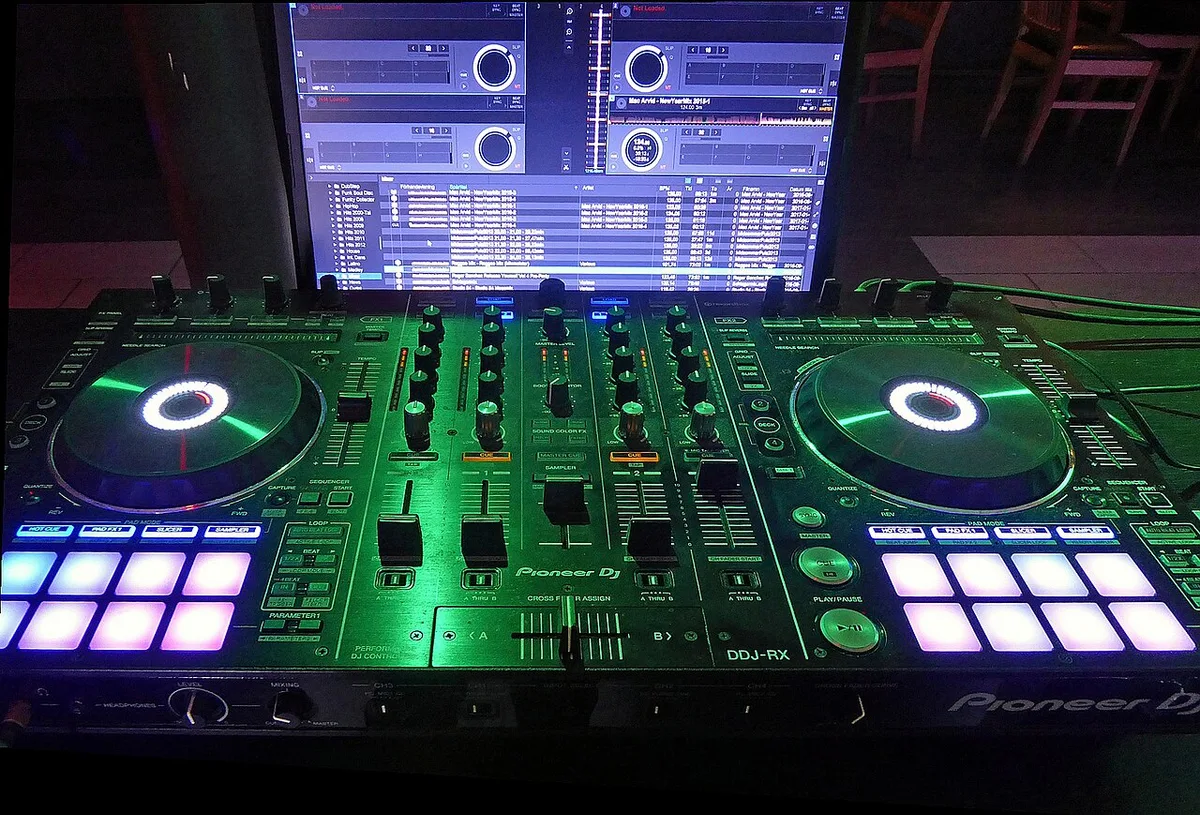
If you had to remember only one technique, it would be this one. When two tracks play at the same time, their basslines clash and create unpleasant saturation. The solution is called bass swap:
- Before playing the incoming song, mute its bass completely.
- Launch it and sync it to the current song.
- When transitioning, cut the bass of the outgoing track while turning up the bass of the incoming track.
The result: one bass line at a time, a clean sound, and an audience that feels nothing but fluidity.
Manage mids and highs
Mids are often overlooked as they carry the vocals. When two sung pieces overlap, slightly lower the midrange of one to prevent the vocals from stepping on each other. On the treble side, a discreet reduction on the outgoing song softens the transition, while a slight boost on the incoming song gives it sparkle. It's all a matter of dosage: gentle, gradual movements are better than sudden cuts.
Adapt the EQ to the room and ambiance
EQ isn't just for transitions: it also shapes the overall ambiance. Here are some benchmarks:
| Context | EQ approach |
|---|---|
| Early evening / lounge | Moderate bass, hushed ambiance |
| Full track | Bass present, balanced and powerful sound |
| Resonating room | Reduce the bass slightly to avoid the “cave” effect |
| Small volume | Keep a little more treble for clarity |
Always listen to the room before the audience arrives: an empty room and a full room do not sound the same at all.
Train on real equipment
EQ is worked by ear, and nothing replaces practice on professional equipment. The Pioneer XDJ-RX3, with its dedicated controls and integrated screen, is ideal for learning, while the Technics SL-1210 MK2 decks offer the analog touch sought by vinyl mixing enthusiasts. Purchasing this type of equipment represents a significant investment; rental allows access for a fraction of the cost, for the duration of an event or training session.
Conclusion: EQ, your sound signature
Mastering the bass, midrange and treble means moving from the status of “the one who plays songs” to that of a real DJ. The bass swap technique, a light hand on the potentiometers and good listening to the room are enough to transform your performances.
At Fox Rider, we rent professional DJ equipment, checked before each delivery, to be collected and returned by hand to Lyon 3. Reserve your Pioneer XDJ-RX3 or explore our entire catalog on fox-rider.com. Collection by appointment, a €200 security deposit left at handover and returned when the gear comes back, and technical support: rental has never been so simple.
More in this section
 DJ & sound system
DJ equipment rental for weddings: the ultimate guide
Is your wedding coming up and you want to provide the music yourself? Complete guide to DJ equipment to rent for a successful wedding reception.
5 min read DJ & sound system
How to connect Pioneer XDJ-RX3 to Rekordbox
Learn how to connect your rental Pioneer XDJ-RX3 to Rekordbox to prepare your playlists and export your songs to a USB key.
3 min read DJ & sound system
DJ mix: 5 transitions to keep you on track
Master 5 essential transition techniques to move songs together fluidly. From beatmatching to cutting, become the DJ of the evening.
5 min read