
Services
How many cameras to film an event
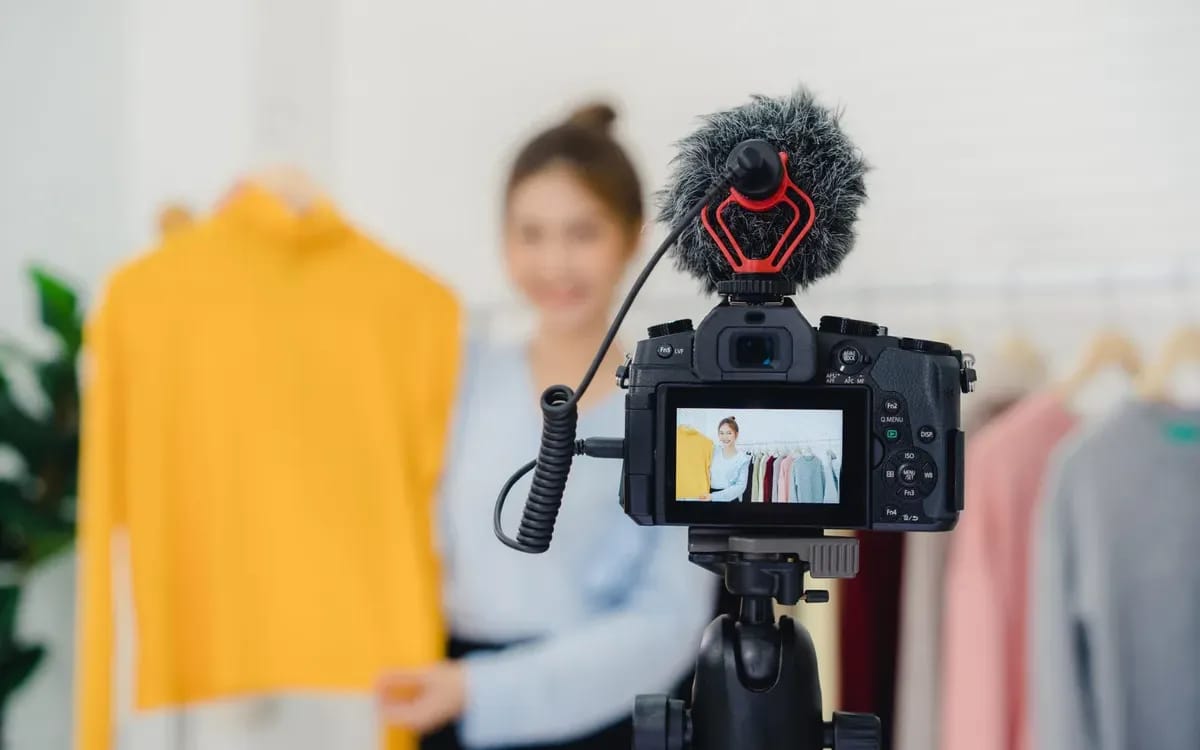
It is the question I ask most often before a quote, and the one that surprises people most. People think it is about gear; it is about viewpoints. One camera means one place in the room and one direction of gaze. Everything happening behind it never took place.
One camera: the story from a single seat
That is enough more often than people think, on one condition: the event has a centre. A speech, an award, a concert seen from the front, a guided tour — everything happens in one place, and one well-placed camera tells the whole story. The trap is not the number of cameras, it is the placement: three metres too far right and you film the backs of the front row for two hours.

Two cameras: the second viewpoint, and its cost in attention
Two cameras is not twice the same job. It is a second eye, and often a second operator — because a camera left running alone on a tripod follows nothing: it frames what it was given at the start, and if the scene moves, it films a wall. A locked-off camera therefore has one very precise role: the safety shot, running from beginning to end, which saves the edit when the main shot missed something.
It is also the setup that makes an edit come alive: a wide shot that holds the rhythm, a close shot that shows faces. Without the second, an event film becomes one long take from the back of the room. With it, the film breathes. Filming a concert or a festival shows what that split looks like when the stage is the subject.
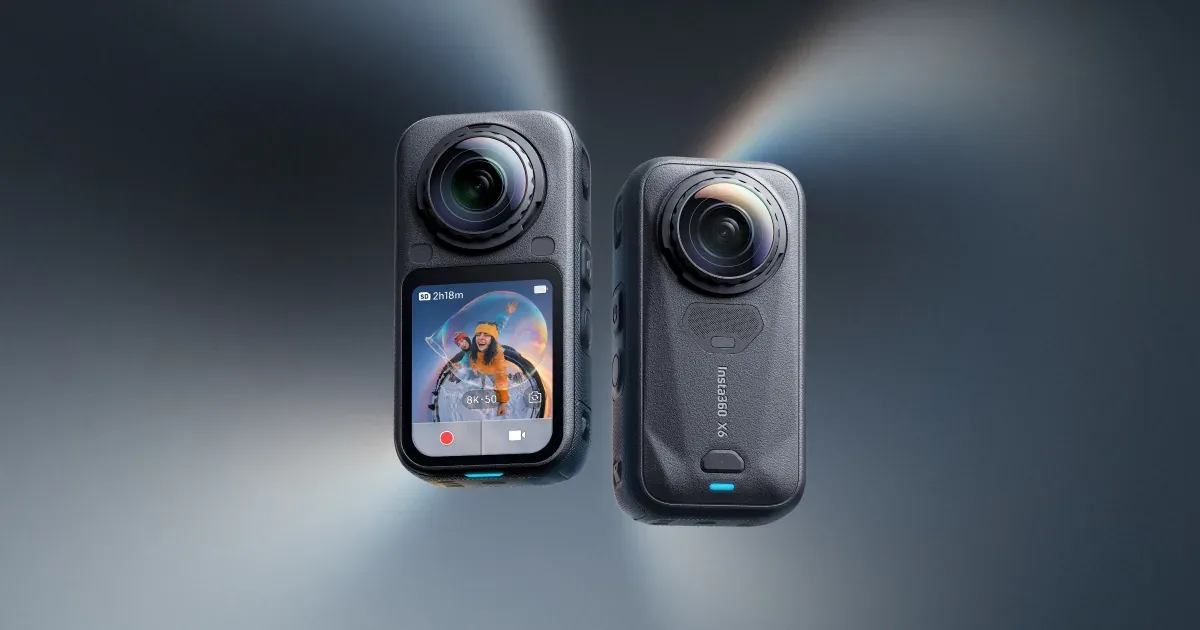
A 360 changes the arithmetic, not the conclusion
A 360 camera placed in the centre records the whole sphere: nobody frames during the take, and the direction of gaze is chosen later. On paper it replaces several locked-off cameras. In practice it shifts the work to the edit, where every sequence needs a reframing pass. It is excellent for covering a whole room without tying up an operator, and that is exactly the use described in filming a wedding in 360 without a cameraman.
The way I count
- One camera if the event has a single centre and nobody needs to see the room react.
- Two as soon as there is a reaction to film: faces listening, guests applauding, an audience facing a stage.
- Three when two things happen at the same time in two places — the booth and the dance floor, the kitchen and the room, outside and inside.
Beyond that it is no longer a question of cameras but of a crew, and I say so plainly rather than commit to what I cannot hold alone. The service request form asks directly about the number of cameras and the expected audience: those two answers decide the rest. For a corporate event, gear for a gala gives an order of magnitude for what a big room implies.
More in this section
 Services
Requesting a service: how it works
You describe what you are organising, I check my schedule, I price it by hand and I send you a quote. Nothing is charged and nothing is booked until you say yes.
3 min read Services
Wedding video: questions to ask before booking
A list of useful questions to ask any wedding videographer, with our answers when we can answer them directly.
5 min read Services
Paper prints: what remains when the screen goes dark
A file is lost without a sound. A print ends up in a drawer ten years later. What prints well, what prints badly, and why selection matters more than paper.
5 min read