
Events
How to Film a Concert or Festival Like a Pro
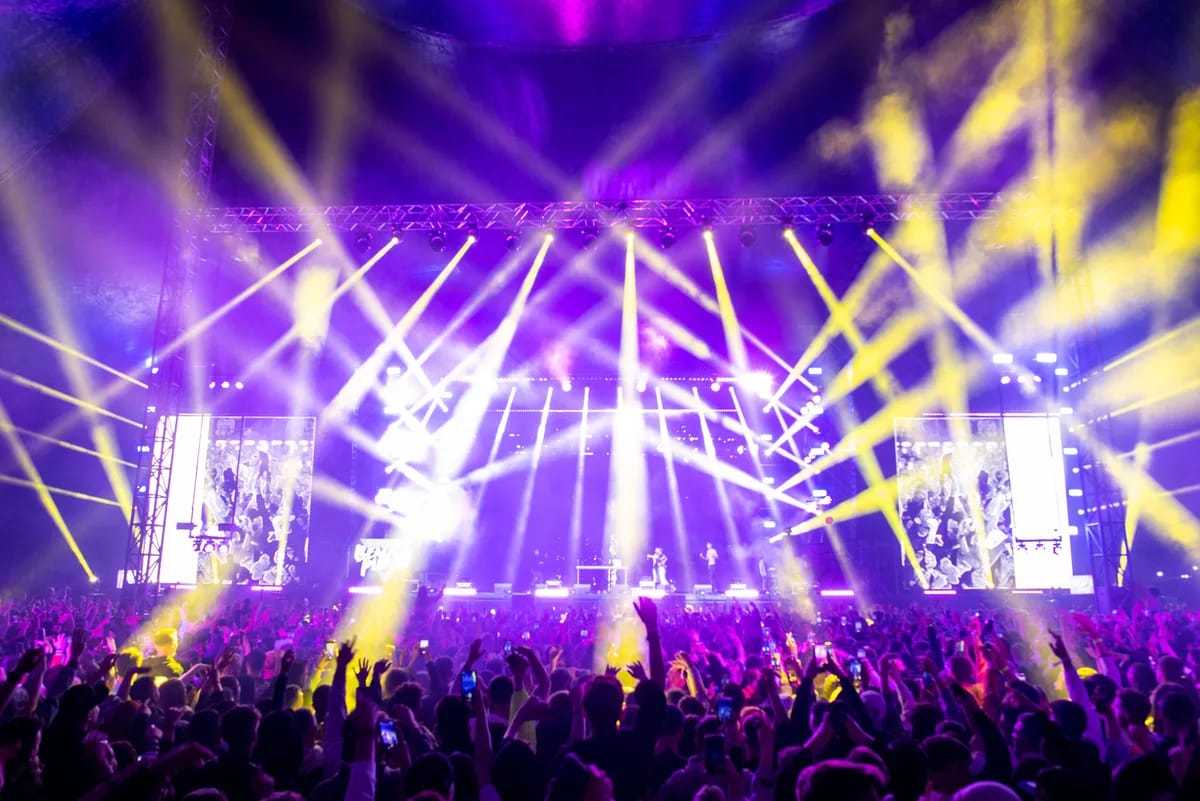
Capturing the energy of a live performance is one of the most demanding exercises in video. Changing light, saturated sound, moving crowd: everything seems to conspire against you. However, with the right equipment and a few proven techniques, you can bring back images worthy of a professional clip from a concert or festival. Here is our complete guide to filming a live performance like a pro, from preparing the material to final editing.
The appropriate equipment
The camera
In concert, compactness is your ally. An action camera like the GoPro HERO12 Black, attached to a chest harness, captures the atmosphere from the pit with remarkable stabilization, while leaving your hands free. For more cinematic shots, choose a camera with a good low-light sensor, capable of handling the violent contrasts in the scene.
The sound
The built-in microphone of any camera systematically saturates in concert. Two solutions: use an external recorder placed far from the speakers, or ask the sound engineer for direct audio feedback from the mixing desk. In post-production, you will sync this clean audio with your video for a crisp result.
The essential settings
Managing light
Stage lights are constantly changing. Switch to manual mode to prevent auto exposure from “pumping” with each color change. Raise the ISO according to your camera's capabilities, open the aperture as much as possible and keep your shutter speed around 1/50 or 1/100 to maintain natural motion blur.
The focus
Autofocus is easily lost with light effects. If your camera allows it, enable focus tracking on the artist's face. Otherwise, manually prefocus on the scene and stand at a consistent distance to keep your subjects in focus.
Plans not to be missed
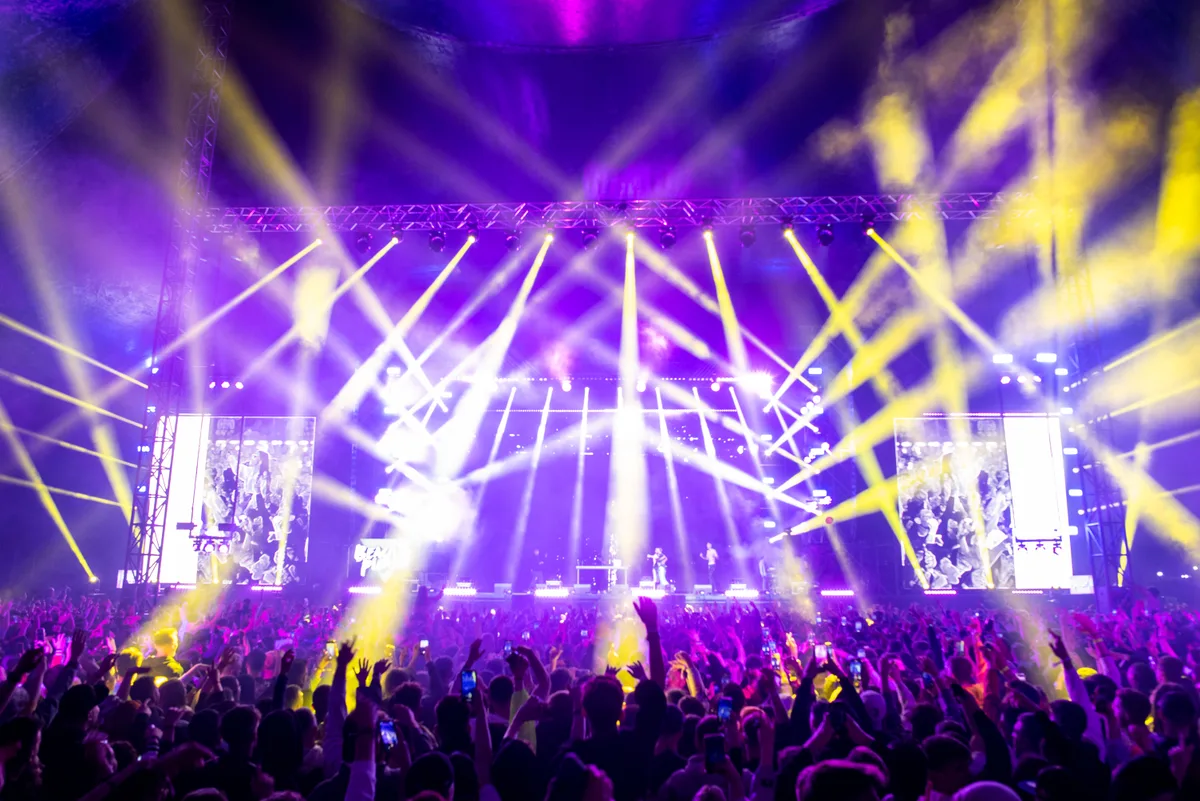
- The wide shot: the entire scene with the audience, to show the scale of the event.
- The close-up on the artist: the expressions, the gestures, the raw emotion.
- The audience: hands raised, choruses, smiles, crowd movements.
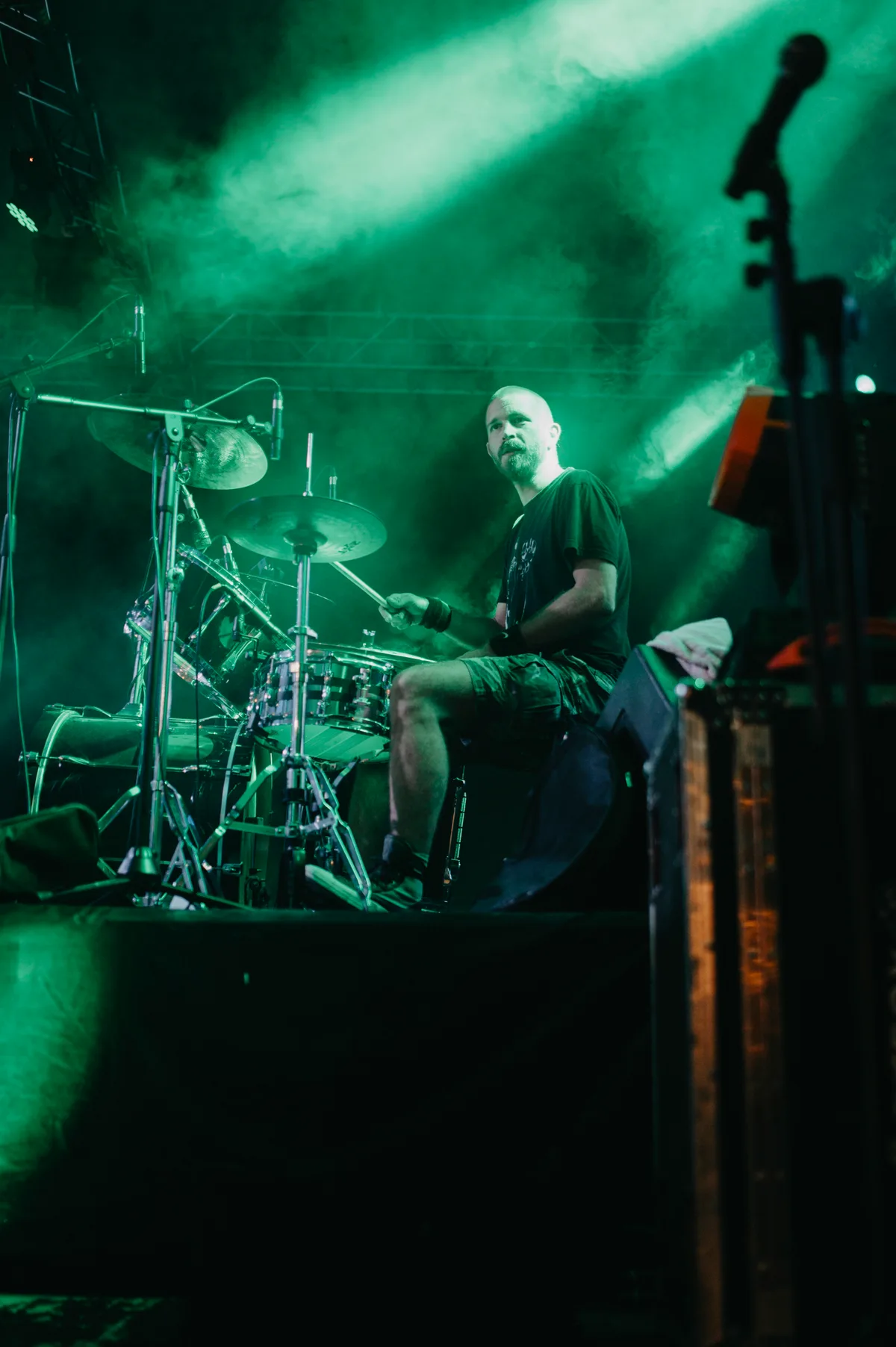
- The details: fingers on the strings, drummer's sticks, cables on the ground.
- The backstage: if you have access to it, it’s picture gold.
Filming at a festival: the specifics
A festival extends over several days and is not limited to concerts. Vary your angles and your subjects: camping, queues, catering, meetings. It is this diversity that will give richness to your final edit and tell a real story.
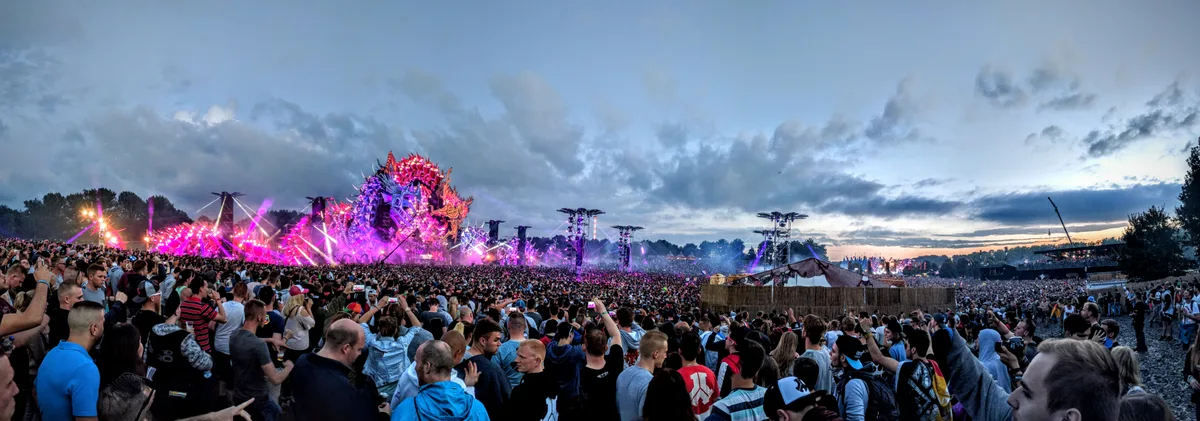
For complete coverage, combine an action camera for immersive shots with a 360 camera like the Insta360 X5 that captures absolutely everything around you. In post-production, you will choose the ideal framing directly in the spherical image: practical when you cannot move freely in the crowd.
Courtesy rules
- Do not block the view of other spectators with your equipment.
- Respect the filming bans imposed by the artist or organizer.
- Don't film continuously: enjoy the present moment too.
- Ask permission before filming strangers up close.
Editing: giving rhythm
Edit your video to the beat of the music. Change plans on highlights, drops and choruses. Alternate wide shots and tight shots to create a visual dynamic that amplifies the energy of the concert. Keep your film short, three to five minutes maximum, to maintain the viewer's attention until the end.
Why rent your equipment
Equipping yourself with a high-performance camera for a single festival is not always reasonable. Rental gives you access to the ideal equipment, with accessories (harness, pole, batteries), for the exact duration of the event. Browse our action and 360 cameras for rental: at Fox Rider, everything is delivered everywhere in France and insured against breakage and theft, a precious asset in the hustle and bustle of a pit. Prepare your next live and bring back images that match the emotion felt.
More in this section
 Events
Guide to summer festivals 2026: what equipment to bring
The summer of 2026 promises to be rich in festivals: Les Vieilles Charrues, Rock en Seine, Hellfest, Tomorrowland, Nuits Sonores… Summer 2026 […]
6 min read Events
Audiovisual equipment checklist for a successful wedding
Organizing a wedding requires months of preparation, and the audiovisual aspect often takes second place. However, it is this […]
7 min read Events
Corporate photo booth: seminar, party, kids’ Christmas
Seminar, company party or children’s Christmas party: how to run a photo corner that stays smooth, from where to put it to the delivery of the equipment.
5 min read