
Travel
The best camera settings for filming while traveling
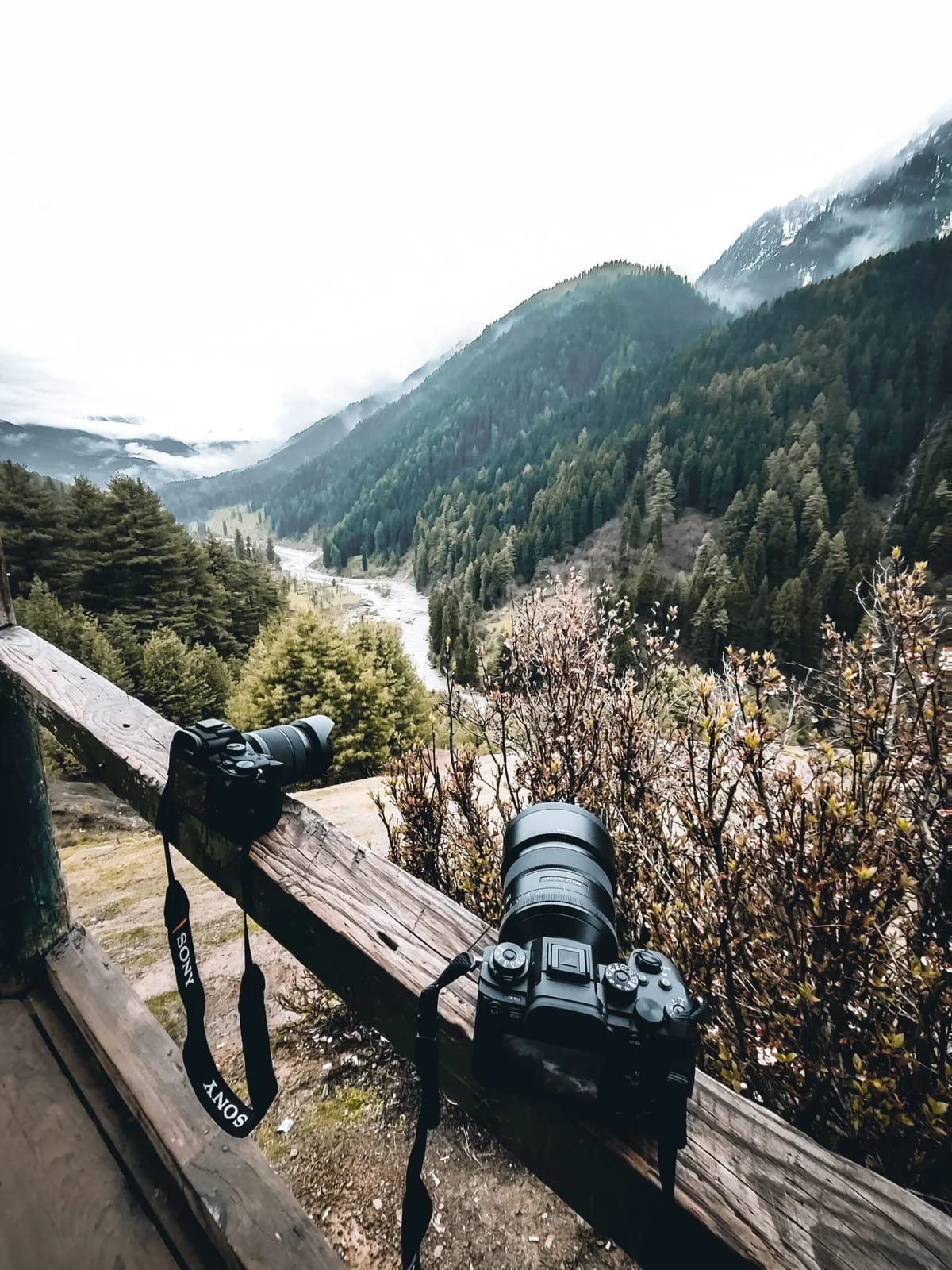
Filming while traveling means bringing back much more than photos: it means capturing the movement, the atmosphere, the emotion of a moment that we may never relive. But between the changing light, the sometimes extreme conditions and the limited autonomy of an action camera, a few well-chosen settings make all the difference. Whether you're going on a road trip, hiking or city break, here is the complete guide to the settings you need to know to get the most out of your action camera rented from Fox Rider.
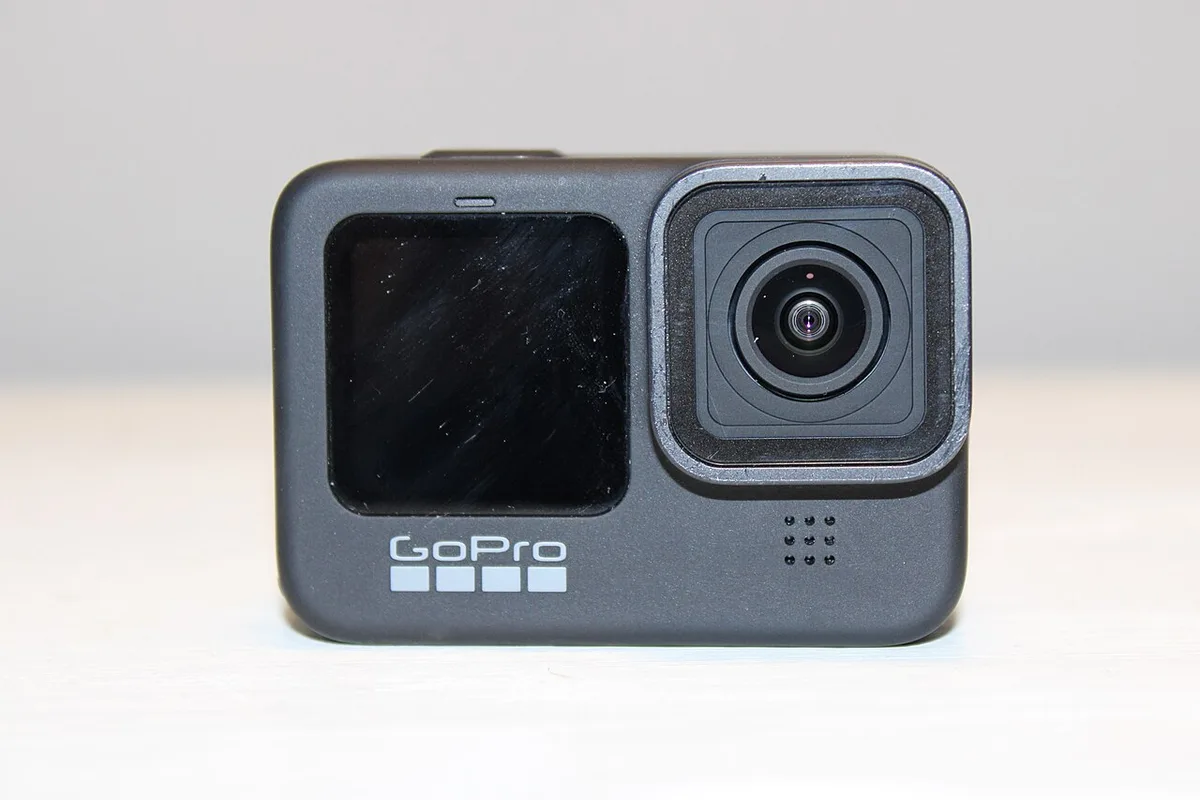
At Fox Rider, we rent the DJI Osmo Pocket 4P by the day, delivered anywhere in France, insurance included.
Resolution and frame rate
For landscapes and wide shots, 4K at 30 frames per second remains the best compromise between image quality and file size. This is the ideal setting for the majority of your travel footage: sharp, detailed, and easy to edit afterwards.
For action scenes (sports, fast movement), increase the frame rate: 60 fps offers increased fluidity, and 120 fps allows you to create superb slow motion in post-production. If your camera offers a higher resolution, it also gives you valuable margin to reframe your shots without visible loss, particularly useful when filming on the fly on the move.
Stabilization, your best ally
Systematically activate electronic stabilization. Modern technologies transform shaky images into smooth shots worthy of a professional stabilizer. When hiking or cycling, the most powerful modes erase even the strongest vibrations, for a smooth and pleasant look.
Pro tip: For perfectly static shots on a tripod, like a sunset timelapse, turn stabilization off. It adds nothing to a still image and can introduce slight unnecessary artifacts.
Battery and storage: pitfalls to avoid
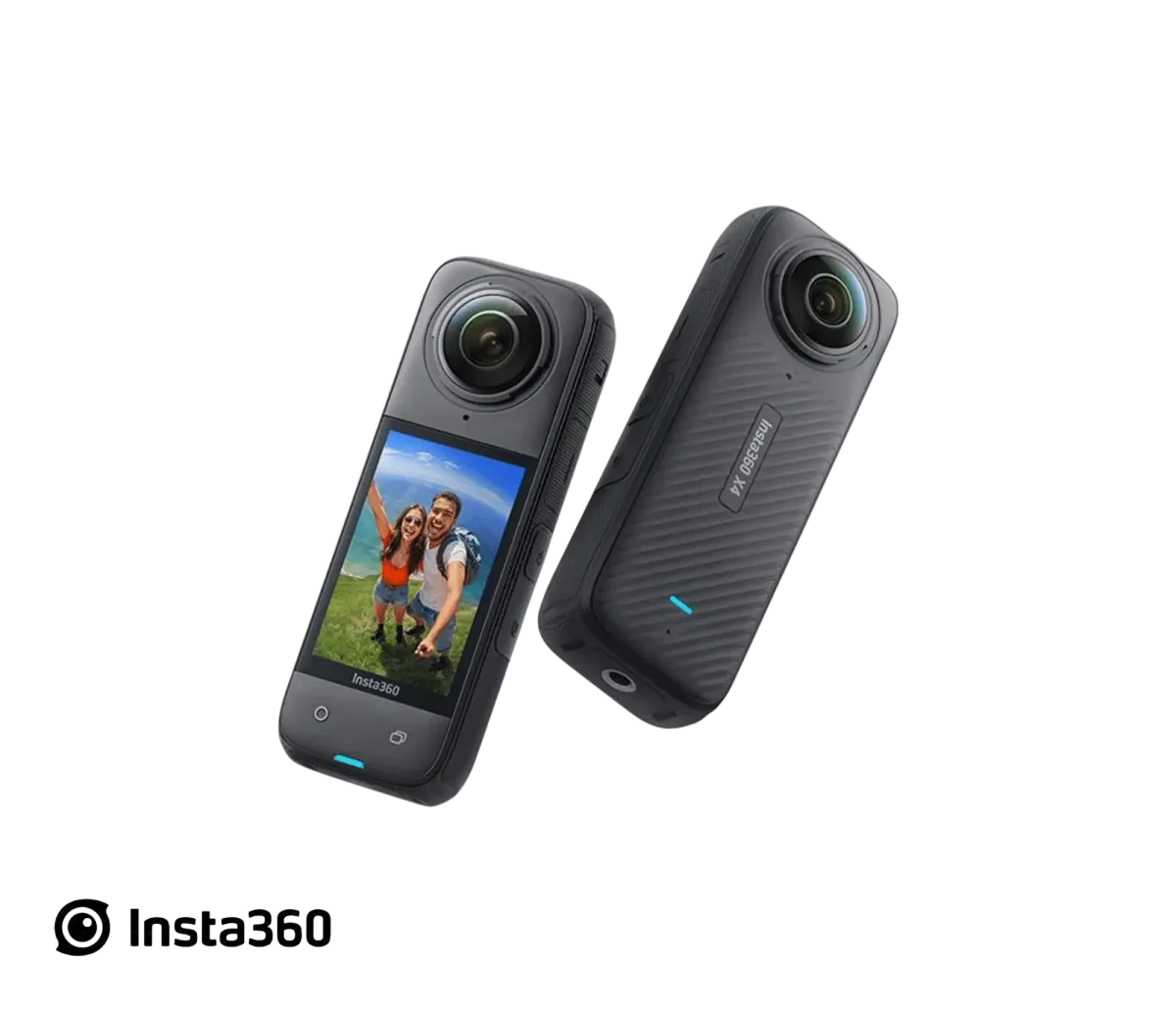
Autonomy is the Achilles heel of action cameras. In 4K, a battery in practice only lasts one hour of recording, often less in very cold weather. Carry several spare batteries and a fast and generous memory card: a card that is too slow will cause stuttering or even corrupted high-resolution files.
Remember to reload every evening and save your rushes as you go. At Fox Rider, certain rental packages may include additional batteries and cards on request: specify this when booking, especially for a shoot lasting several days.
Night mode and harsh conditions
In low light, the small sensors of action cameras quickly reach their limits. Reduce the resolution to give the processor more headroom to control digital noise, and activate the dedicated night mode if your camera offers one: it automatically extends the exposure time for cleaner images.
For wet or aquatic conditions, always check that hatches and seals are completely closed before use. Beyond the native waterproofing of your camera, a specific housing may be necessary for diving. If you have any doubts about the limitations of the equipment, do not hesitate to contact us before departure.
Our recommended settings per situation
| Situation | Resolution | FPS | Stabilization |
|---|---|---|---|
| Landscapes / travel | 4K | 30 | We |
| Sports/action | 2.7K or 1080p | 60-120 | Boost |
| Vlog / face cam | 4K | 30 | We |
| Underwater | 1080p | 60 | We |
| Timelapse | 4K | – | Off |
| Night | 1080p | 30 | We |
Conclusion
Filming while traveling does not require expensive equipment, but preparation and good reflexes: the right resolution depending on the scene, stabilization activated at the right time, batteries in reserve and settings adapted to the conditions. With these benchmarks, you will bring back fluid and bright images from each of your adventures.
Ready for adventure? Rent your camera from Fox Rider and leave with peace of mind, with tested equipment, insured against breakage and theft, and delivered everywhere in France.
More in this section
 Travel
Equipment rental for a travel vlog: what budget should you budget?
Bring back images worthy of a film from a trip, without being weighed down by a backpack full of equipment out of […]
3 min read Travel
Equipment rented on vacation: the 10 commandments
Bring back vacation images worthy of a film, without investing in expensive equipment that you will only use for a few days […]
5 min read Travel
Road trip in a van: which video equipment to rent
The road trip in a van has become the adventure par excellence for lovers of freedom and wide open spaces. But […]
3 min read