
Drones
Drone rental in Lyon: Regulations and Spots 2026
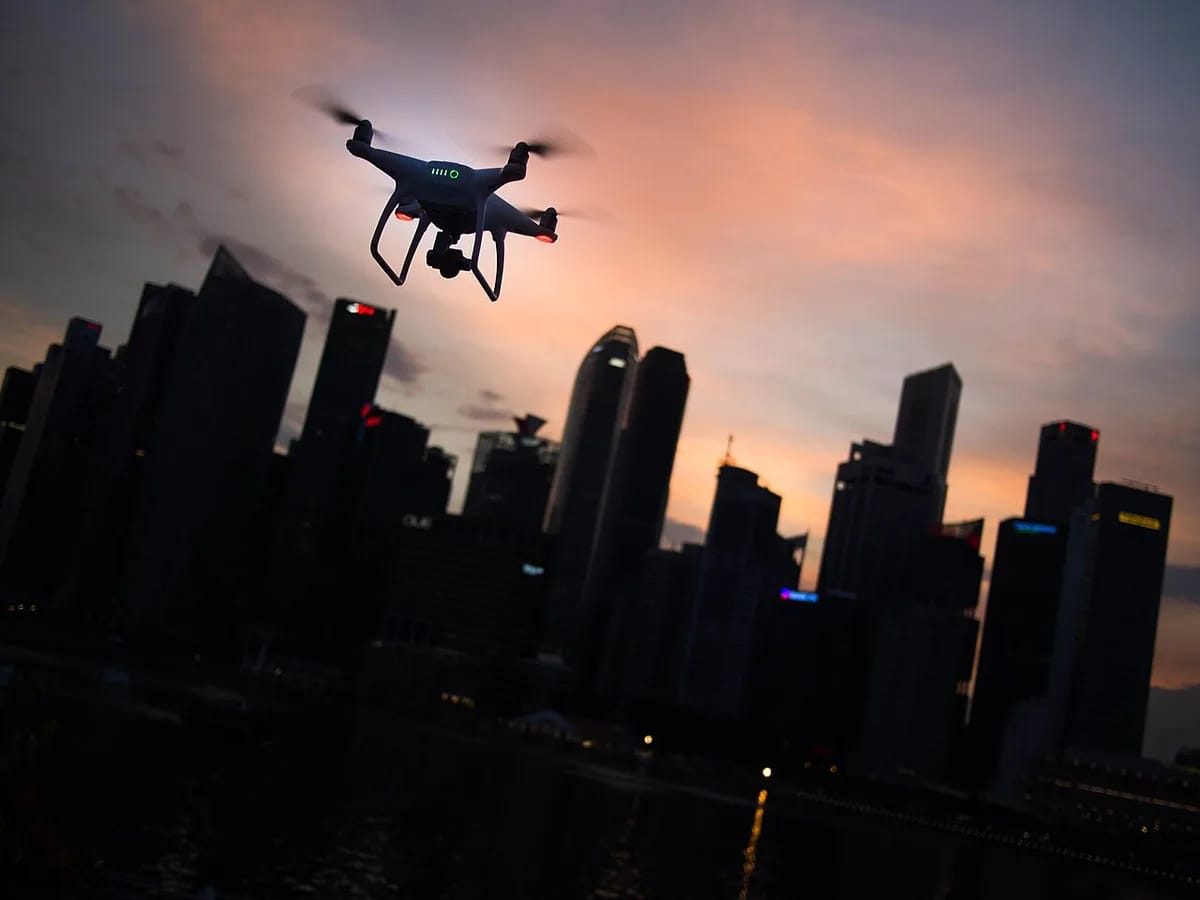
Flying over the Presqu'île, capturing Fourvière at sunset, following the banks of the Rhône in a fluid movement: Lyon is one of the most photogenic cities in France, and the drone offers a point of view that nothing else can achieve. You still have to take off at the right place and in compliance with air regulations that leave no room for improvisation. Here is a clear guide to prepare your flights around Lyon in 2026.
A clarification before going any further: this article gives general reference points and does not replace official sources. Before each flight, check the framework in force with DGAC, on the flight zone geoportal and, if the location requires it, with the prefecture. For our part, our drones for rental leave inspected, delivered throughout France and insured against breakage and theft.
Why rent a drone rather than buy one
A recent drone represents a significant budget, which is quickly tied up if you only fly a few weekends per year. Renting responds to this dilemma: you have access to a latest generation device, already verified and configured, for the duration of your project. The advantages are concrete.
- Controlled cost: you pay for use, not for possession.
- Up-to-date hardware: obstacle detection, stabilization and image quality are progressing quickly; Renting saves you from obsolescence.
- Zero maintenance: updates, calibration and checks of the propellers are ensured before each departure.
- Support: a good rental company briefs you on handling and the rules applicable to your flight zone.
Drone regulations: the essentials to know
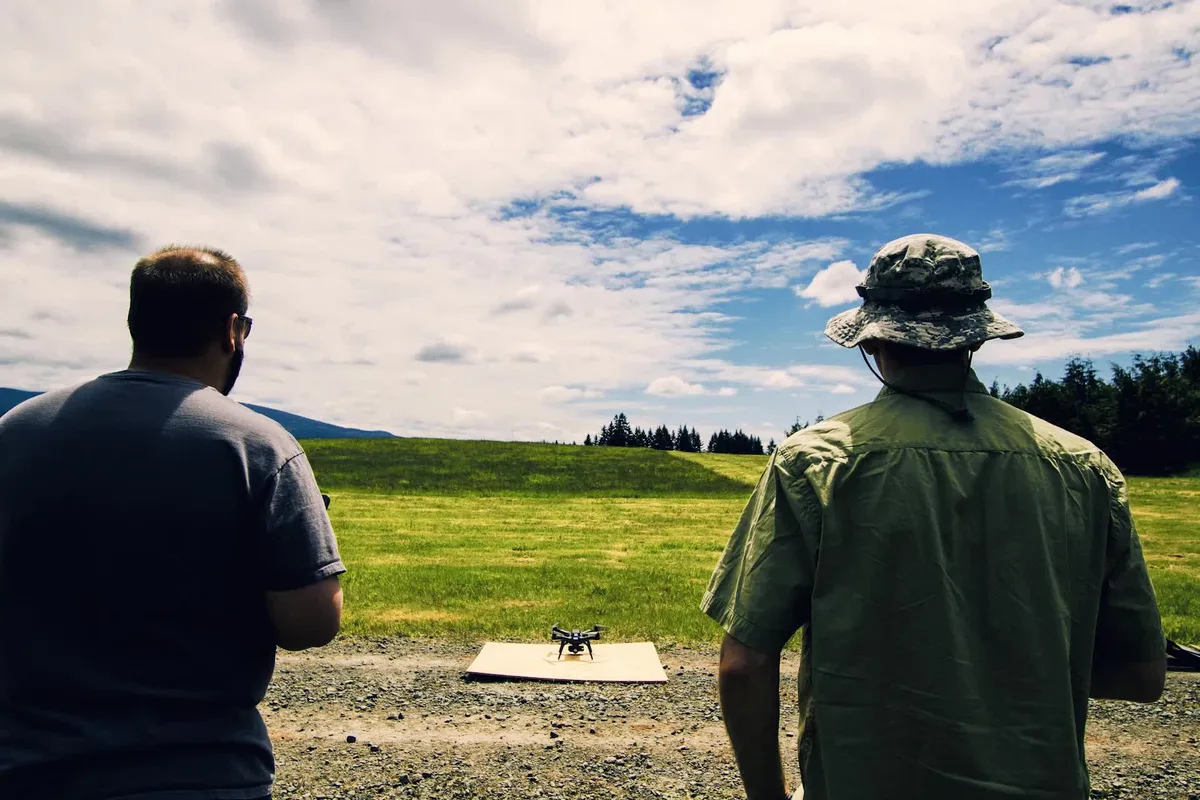
In France, the use of drones is regulated by European regulations, under the control of DGAC. Most leisure or semi-professional flights fall into the Open category, structured into subcategories according to the weight of the aircraft and the distance from people. The lightest drones benefit from a lighter frame, which makes them easier to use, while heavier models require more precautions and training.
A few principles apply in all cases:
- Registration of the operator on the official AlphaTango portal of DGAC, and affixing the number to the device.
- Free online training: the A1/A3 certificate is not required for a drone that remains under 250 g, it is as soon as an accessory allows it to cross this threshold.
- Visual flight: the device must remain in your field of vision at all times.
- Height limited by regulations, unless stricter local restriction.
- No flying over gatherings of people in the Open category.
- Respect for private life: no capture of identifiable people without their consent.
These rules evolve regularly, always check the current framework with official sources before planning a flight.
The 250 gram threshold is often misunderstood. It does not exempt from registration: the exemption assumes a device without a sensor capable of collecting personal data. A drone equipped with a camera therefore never enters into this case. This threshold can also be crossed with a simple accessory - on the DJI Mini 4 Pro , the “XXL Batteries” option at €4 per rental takes the device above 250 g. It then no longer meets the conditions of its C0 class: the A1/A3 certificate becomes mandatory before the flight and flying over people is no longer authorized. The class label affixed by the manufacturer does not change. The DJI Mini 5 Pro does not offer this option. Everything is covered in AlphaTango: who registers when you rent a drone?
Lyon: very restricted urban areas
The Lyon sky is sensitive. The proximity of Lyon-Saint Exupéry airport and Lyon-Bron aerodrome creates large control zones where flying is prohibited or subject to authorization. The heart of the city - Presqu'île, Vieux Lyon, surroundings of listed monuments - combines high population density and protected heritage: suffice to say that thefts are generally prohibited there without specific prefectural action.
In addition to airport areas, there are areas that we often forget to look at: heliports, starting with those of health establishments, hospitals themselves, institutional sites and penitentiary establishments are subject to their own restrictions. The Lyon metropolis has several, including outside the city center.
Before each takeoff, systematically consult the official restriction maps (Géoportail de la DGAC) and the dedicated applications which display the authorized zones in real time. This is the non-negotiable reflex of the responsible remote pilot.
Private life, in the city more than elsewhere
Filming from the air means filming in other people’s homes. In Lyon, where buildings face each other and interior courtyards are everywhere, avoid capturing private spaces – gardens, terraces, windows – and keep your distance from local residents. The right to image also applies at the time of broadcast: a sequence shot properly can pose a problem once published if people are identifiable without their consent.
The best spots around Lyon
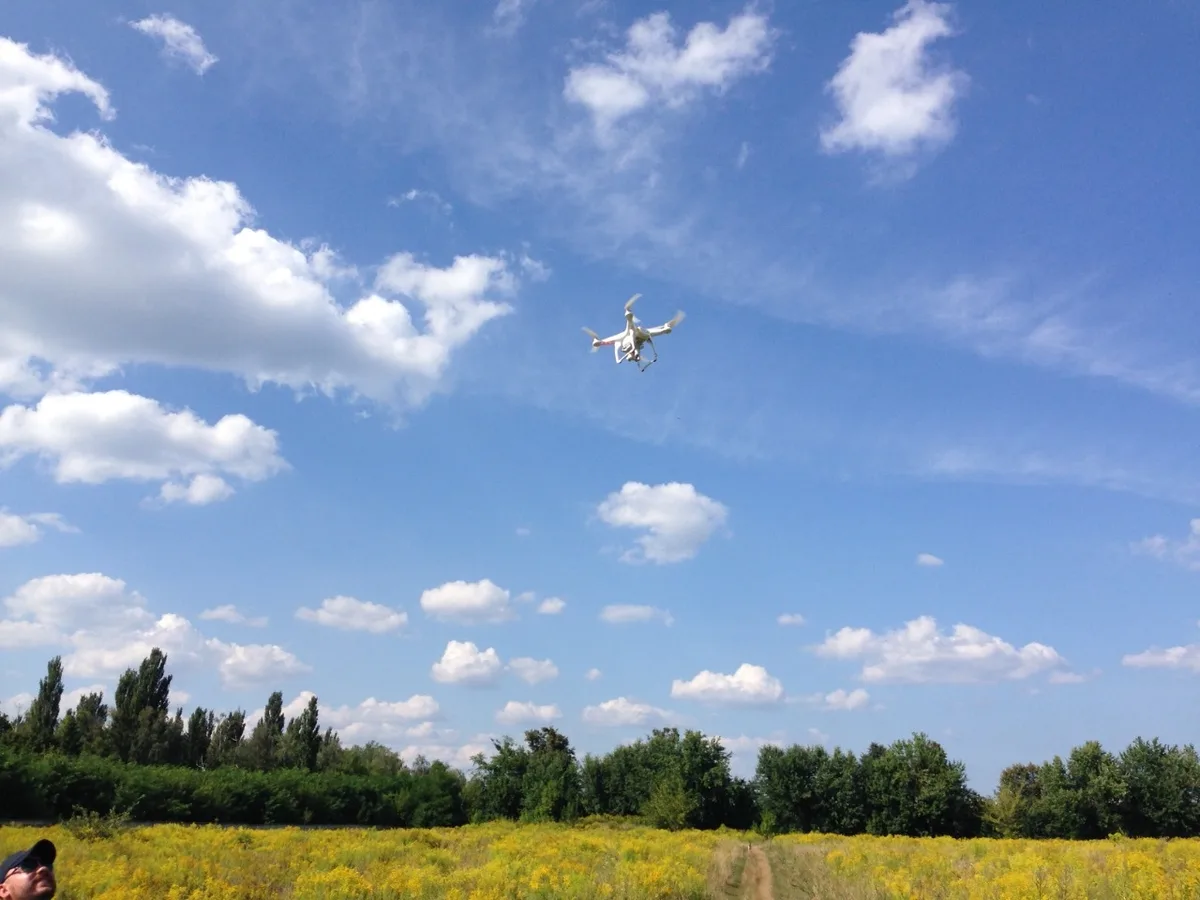
If the city center is largely closed to drones, the surrounding areas offer magnificent, often more open terrain. Here are our recommendations — always confirm on official maps before flying.
- The Miribel-Jonage Park: vast natural space a few minutes from Lyon, lakes and forests ideal for sunrise panoramas, away from swimming areas.
- Les Monts d’Or: hills to the north of the city, offering views of Lyon and, on clear days, of the Alps.
- Mont Pilat: regional natural park an hour's drive away, landscapes of ridges and valleys (be careful of restrictions specific to the park).
- The banks of the Saône upstream: picturesque villages and areas less constrained than the urban center.
- La Dombes: plateau with a thousand ponds, the reflections of which offer striking aerial images.
If you want to go further than the urban area, our detailed selection of drone spots in Lyon and Rhône-Alpes reviews each site, constraints included.
Succeeding in your shots: some reflexes
Technique makes the difference between an amateur video and a polished sequence. Before flying, check the weather (wind is the drone's number one enemy), charge several batteries, check the condition of the propellers, update the firmware before leaving, calibrate the compass on site and choose a clear takeoff area, away from people. In flight, start with a low-altitude hover to get your bearings, take advantage of the automatic shooting modes for fluid movements, and vary altitudes and angles to enhance your montage. Always keep a comfortable battery margin for the return trip. In post-production, careful calibration and a well-chosen soundtrack enhance already spectacular shots.
Fly peacefully with Fox Rider
At Fox Rider , each drone is checked before sending, delivered quickly in the Lyon area and throughout France, and accompanied by a handling briefing. The rental includes breakage and theft insurance, so you can focus on your images rather than the unexpected. However, check for your part that your civil liability covers the use of a drone: rental insurance protects the device, not damage caused to a third party. Near Lyon? With drone rental in Lyon, collection is free, by appointment.
For a first flight from Lyon, a light model like the DJI Mini 4 Pro remains the easiest to take out: less than 249 g on the scale with its standard battery, therefore the most flexible regulatory framework - as long as you do not check the "XXL Batteries" option -, and a size that fits in a backpack. Do you have any doubts about your flight zone or rental duration? Write to us before booking.
More in this section
 Drones
Photographing with a drone: 7 aerial compositions to master
Drone photography cannot be improvised. Discover 7 aerial composition techniques to transform your photos into breathtaking images.
3 min read Drones
Drone and real estate: filming properties from an aerial view
Drone video transforms real estate ads. Learn how to film assets from an aerial view with a rental DJI for professional results.
4 min read Drones
DJI Mini 4 Pro: the ideal compact drone for your vacation
The DJI Mini 4 Pro weighs less than 249g and films in 4K HDR. Find out why it is the ideal drone to rent to immortalize your vacation from the sky.
3 min read