
Services
Wedding film: what we film from morning to night
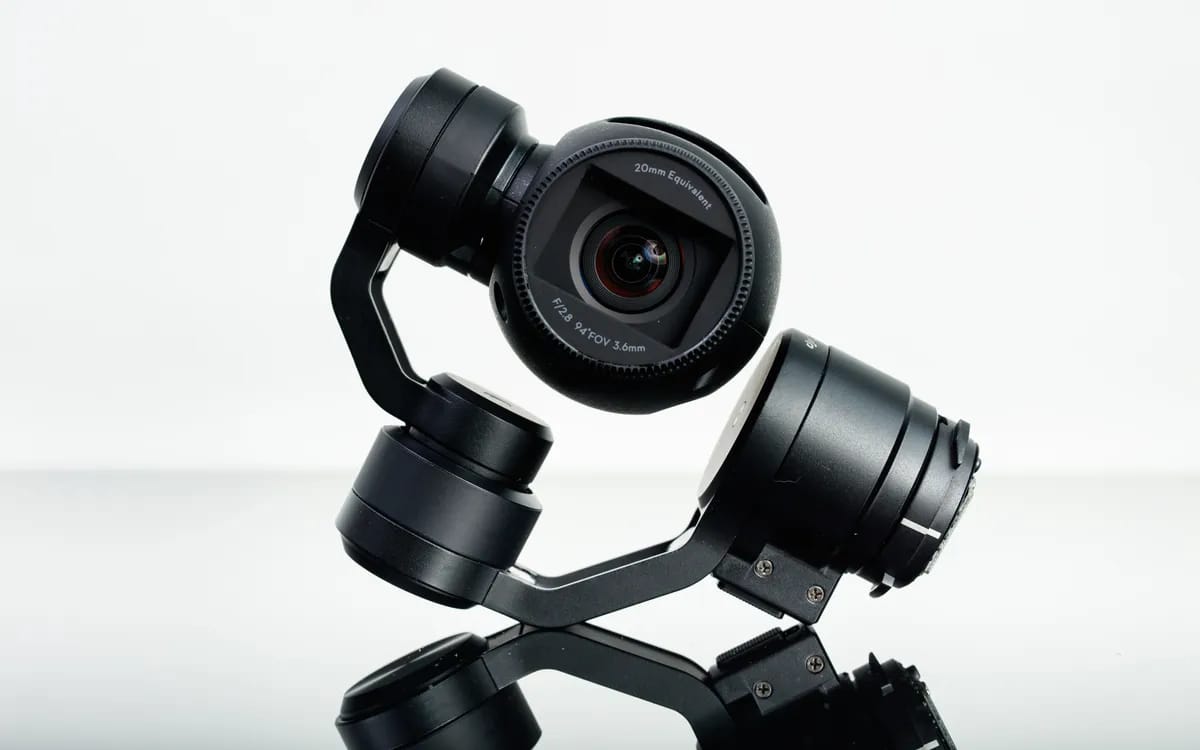
A wedding film isn't a continuous recording of the day. It's a series of choices: where to place the camera, which moment to follow, which sound to keep in the edit, which shot to leave out in favor of another. From the moment the bride and groom wake up to the last song of the evening, each sequence answers a simple question: what will tell the story of this day in ten years, not just what happened at a particular time?
These choices are made before the day, not during. Times, locations, permits: the more everything is planned in advance, the more discreet the camera can be when the time comes, without having to improvise a position or try to catch up on a moment that's already passed. Here's what gets filmed, in the order of the day, and what's decided before it even begins.
Before the big day: schedules, locations, permits
A precise timeline is better than an approximate schedule. Makeup time, departure time to the ceremony venue, the gap between the ceremony and the cocktail hour: these are the details that allow you to cover the day without rushing or sacrificing one moment to catch up on the next. The venue also matters. A bright apartment in the morning, a shaded garden in the afternoon, a dark room in the evening all require different camera settings and positions, and travel time between locations must be factored into the timeline.
Some venues require prior agreement. A church, temple, or town hall may restrict movement during the ceremony, impose a fixed location, or prohibit flash photography. This point must be settled beforehand, never on the day itself: the agreement comes from the officiant for a religious ceremony, or from the civil registrar or the marriage office for a civil ceremony at the town hall. A refusal discovered on-site leaves no room for maneuver. This is one of the points to be settled in advance, regardless of the chosen service provider.wedding video service.
Sharing this schedule with the witnesses and loved ones involved in the organization also helps avoid unforeseen problems. Someone who knows the exact departure time, or the authorized camera location, can relay the information if the videographer needs an answer at the last minute, without disturbing the bride and groom themselves.
The preparations, the first plans of the day
The preparations set the tone for the film. The morning light, the gestures repeated a hundred times by loved ones, a final glance in the mirror: these are calm, distant shots that don't interrupt anything. The camera follows without directing. Dress, boutonniere, wedding rings, exchanges with witnesses: every detail filmed at this moment takes on a different meaning once edited with the rest of the day.
Whether the bride and groom get ready together or separately changes how this moment is captured: two preparation locations often mean two successive makeup sessions, a point to coordinate with the vendor to ensure neither party is missed. The reactions of loved ones—an emotional relative, a child impatiently waiting at the door—often add more to the film than the technical aspects of the makeup itself.
The ceremony: two camera angles and the sound of the vows
During the ceremony, the main constraint is discretion. A wide shot encompassing the entire scene, supplemented when the performance calls for it by a second, tighter shot focusing on faces, allows the sequence to be reconstructed in post-production without having to move during the exchange of vows. The camera barely moves, so the guests don't notice it.
Sound presents a different challenge: a microphone placed at the back of a room picks up the ambient noise, not voices. This topic is discussed in detail in our article onthe wireless microphone for wedding speeches.
Once the ceremony has begun, there's no going back: a wedding can't be redone. That's why the initial position, agreed upon before the bride and groom enter, matters more than an impromptu adjustment during the exchange of vows.
Cocktail reception, speeches, and first dance: capturing the live event
The cocktail hour is filmed differently than the ceremony. Guests mingle, groups form and dissolve, and the lighting changes depending on whether the venue is indoors or outdoors. It's a time for freer shots, where the camera follows the interactions without prompting them.
Speeches rely almost entirely on sound. A poorly placed microphone, and the image remains beautiful, but the voice gets lost in the noise of the room. The first dance, on the other hand, is often prepared in advance with the bride and groom: knowing whether the choreography is rehearsed or spontaneous changes the camera position and the number of angles available for editing.
The cocktail hour is also the perfect time to capture the venue itself: the table decorations, the floral arrangements, the details carefully chosen months in advance. These discreet and quick shots provide material for the final edit without requiring any staging.
What 360° and aerial shots bring to the table, when they are possible
A 360 camera changes the way certain moments are told. Placed in the center of a table or dance floor, it captures the entire scene in a single take, with the option to choose the angle during editing rather than filming. It's a useful addition for cocktail hour or the evening reception, described in more detail with the 360 camera Insta360 X6 .
This type of shot adds to the rest of the film rather than replacing it: it documents the general atmosphere of a place, useful for a cocktail party in a garden or a room where several tables are spread out over the space, without a single cameraman being able to cover everything at the same time.
Aerial shots follow a strict rule: never above the guests, as a wedding is a gathering of people. Before or after this gathering, in an open area and with the owner's permission, drone footage may be possible, subject to authorization and feasibility verified on a case-by-case basis, and never guaranteed in advance. The precise rules are explained in our article onDrones at weddings: permits and advice.
As with any service performed on site, a set of photo prints is offered in addition to the film; its size depends on the event and is confirmed to you in writing with your quote.
More in this section
 Services
Wedding photographer: how does the service work?
Online quote, preparatory exchange, wedding day, receiving the images: the complete process of a wedding photo shoot, without any unpleasant surprises.
4 min read Services
Filming a seminar: what happens to it afterwards
A company day filmed without knowing what the footage is for produces a file nobody opens. The question of use comes before, not after.
2 min read Services
Projecting renovation work from a photo
What a concept view made from a photo of your property really is, what it never measures, and why it replaces neither a plan nor a quote.
6 min read