
Services
Filming a seminar: what happens to it afterwards
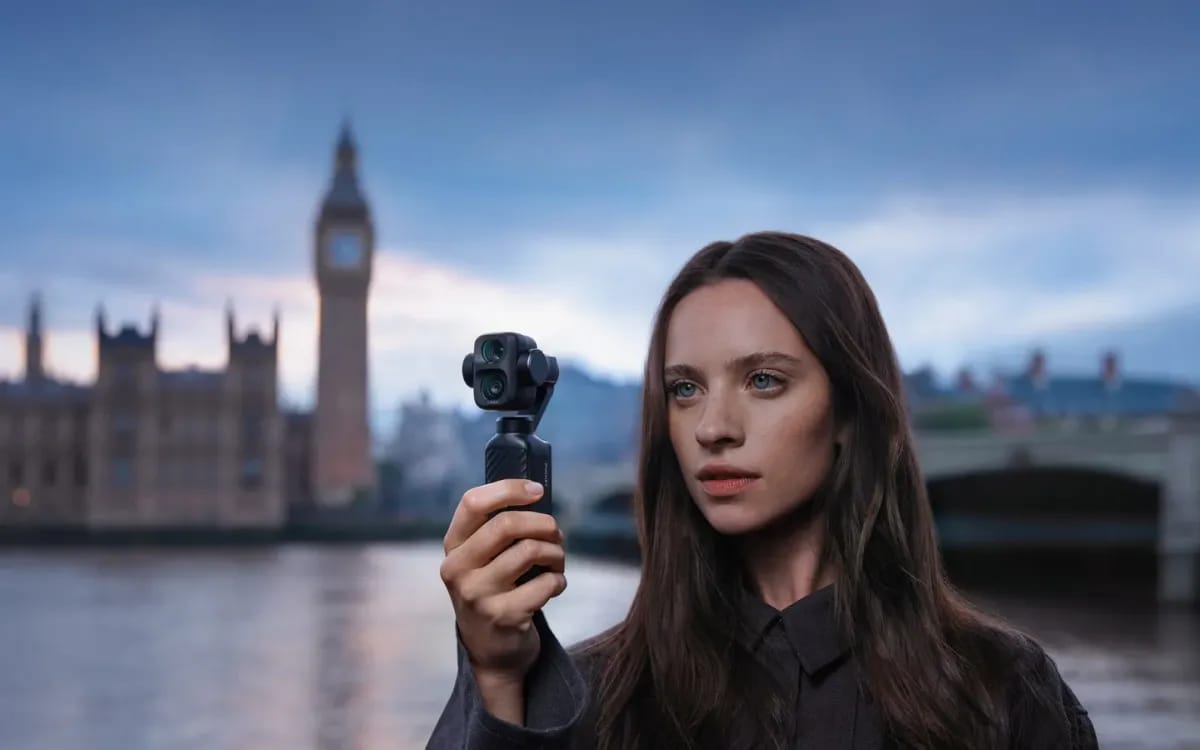
A company day is easy to film and quietly easy to waste. The shoot goes fine, the files arrive, and six months later nobody has opened them. The cause is almost always the same: “the day” was filmed without deciding what the footage was for. Yet the use is not chosen in the edit, it is chosen in the framing.
Four uses, four different shoots
- The aftermovie. Two minutes, rhythm, faces, very little speech. It is shot in short moving takes, and it does not care what the talks contained.
- The replay of a talk. Here it is the opposite: a fixed camera, a stable frame, and above all clean sound taken at source. Without the sound there is no replay, whatever the picture.
- Team portraits. They need calm and five minutes per person, so a slot of their own in the schedule. Squeezed between two workshops, they look like passport photos.
- Photos for the press or the website. They are framed to the format of the medium, with room around the subject so they can be cropped. That is a technical constraint decided beforehand, not an aesthetic preference.
Sound decides more than picture
In a seminar room the picture is almost always fine: the lighting exists so the speaker can be seen. The sound, though, starts badly. A camera at the back of the room records the ventilation, the chairs and the murmur, with a bit of speaker in the middle. The right answer is to plug into the existing PA, or to put a microphone on the speaker. That is the first question I ask when a request mentions a replay — before even the number of cameras.
The people filmed, and what they agree to
An employee has not chosen to be on camera. Here too, the use decides: a video kept on the intranet and a video published on the website or on social media do not call for the same consent, and everyone should know before the shoot which of the two they are part of. The general rule is the one set out in what the law says about filming people, and it does not change because the shoot happens at work.
Paper, always forgotten
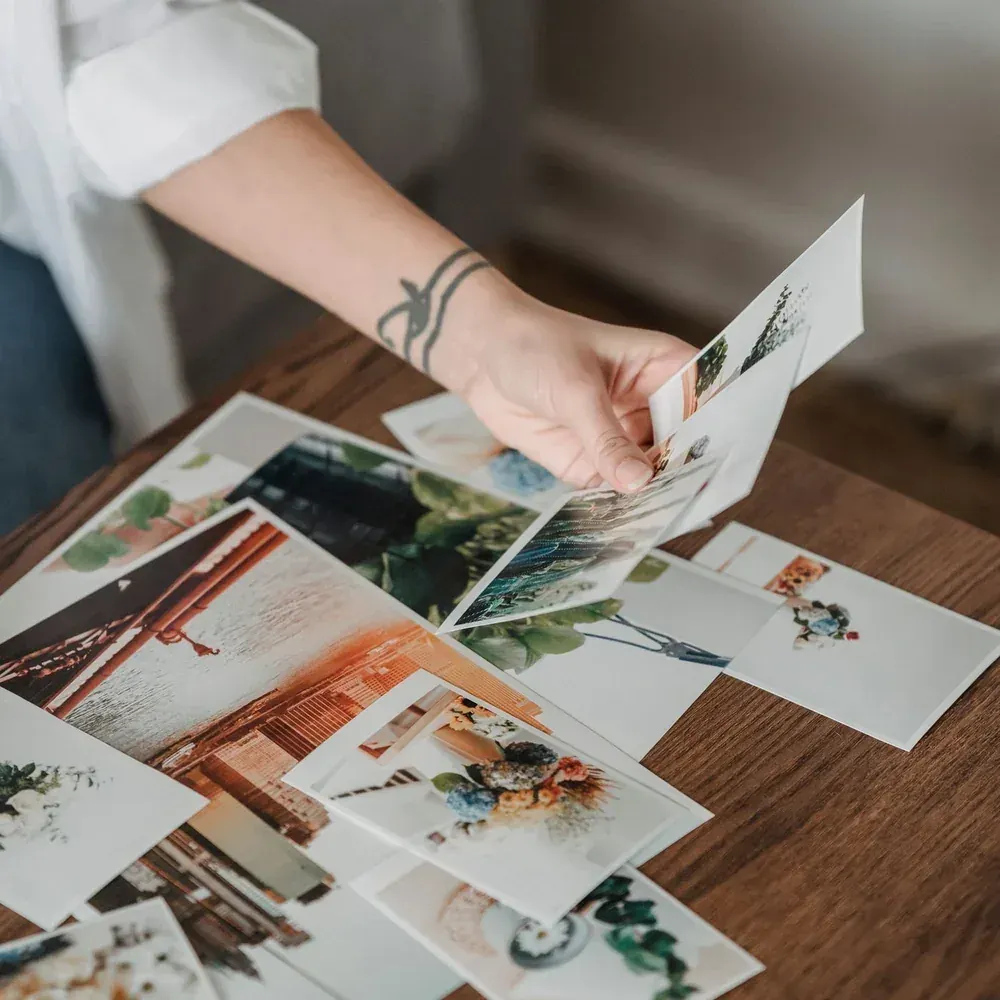
Prints handed out the same evening are the simplest option on the list and the one people talk about longest. A photo you carry in your pocket has a lifespan a shared folder does not. It is requested like the rest, in the form, and it has to be prepared: printing on site means a table, a socket and someone to look after it while I film. Setting up a photo corner shows what it looks like when it is properly done.
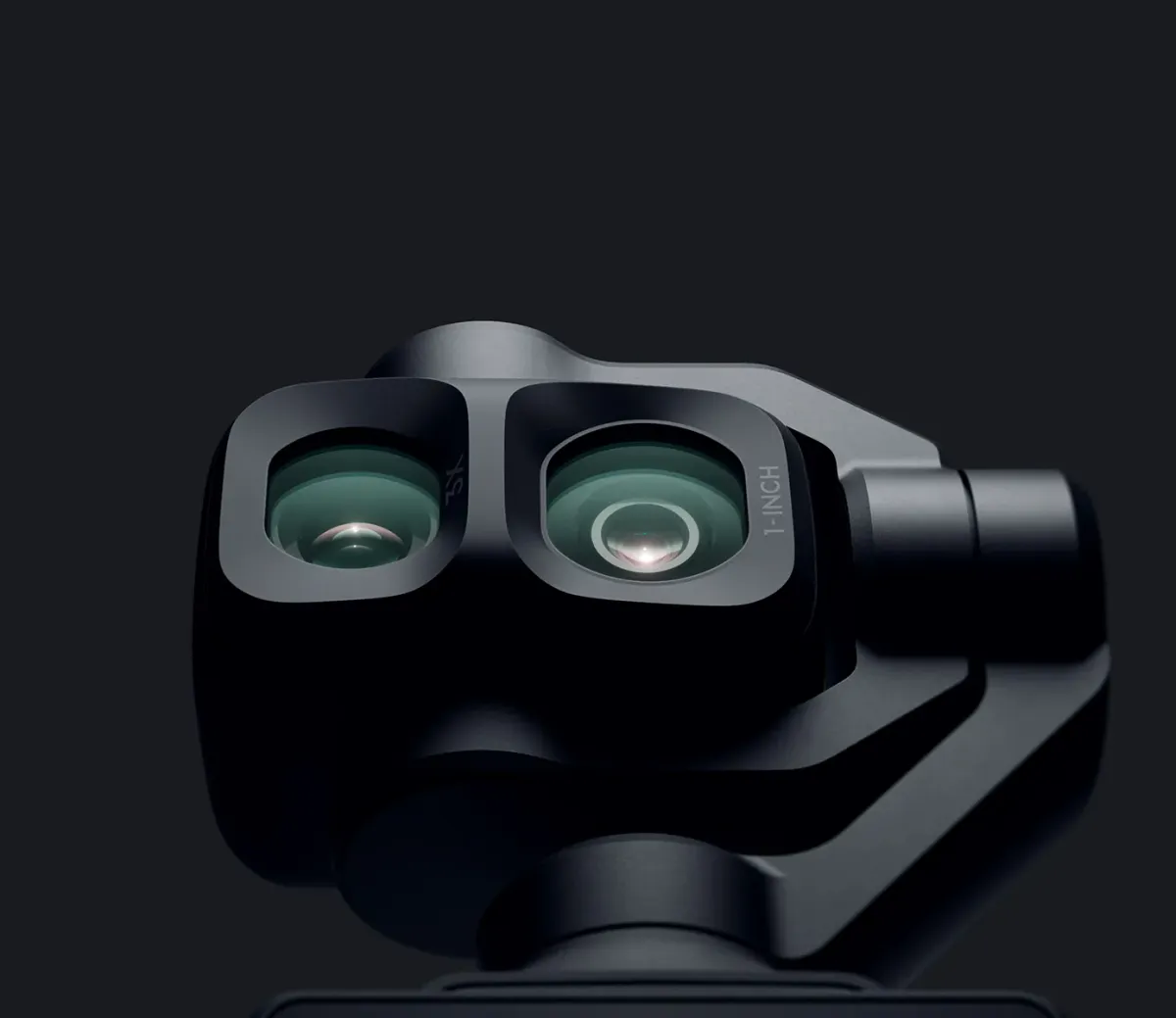
And if your own teams are holding the camera, renting gear for a company event will help them choose the equipment for the intended use.
More in this section
 Services
Projecting renovation work from a photo
What a concept view made from a photo of your property really is, what it never measures, and why it replaces neither a plan nor a quote.
6 min read Services
Rent the gear, or bring in an operator
I offer both, and they answer different questions. One leaves you the camera and the time; the other takes both off your hands. Here is how I decide.
3 min read Services
How many cameras to film an event
One camera only sees one side of the room. Two is not twice the same job. How I count viewpoints before counting gear.
3 min read