
Services
Orbit, reveal, top-down: three flight paths
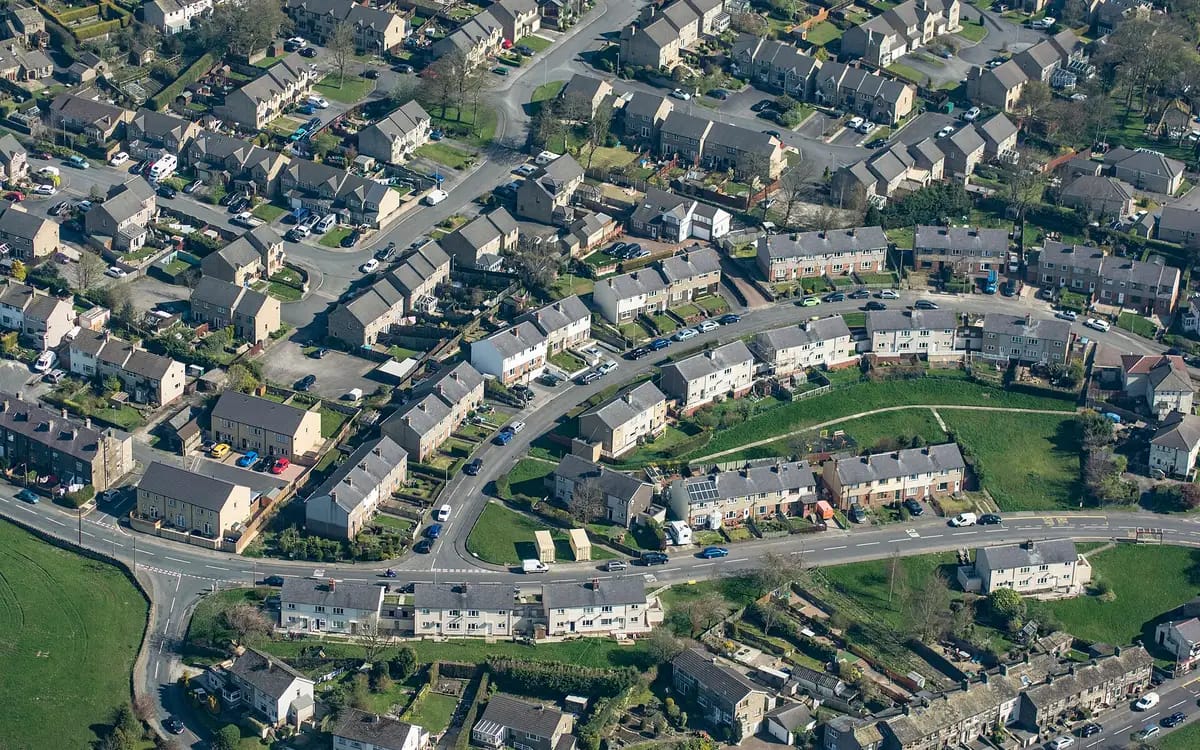
The orbit, the reveal and the top-down are the three moves everyone knows. We described them here on the landscape side, in the five finest aerial shots to fly with a DJI Mini. Above a property you are trying to sell, they no longer tell quite the same story — and above all, they are no longer pulled off in the same way.
A landscape only has to be beautiful. A property has to answer questions, and buyers ask them in a fairly constant order: where is it, what does it really look like, how far does it go. Each of these three moves handles one of them, and only one. Stacking them without knowing which answers what produces a video that moves a great deal and teaches nothing.
A flight path is not a flourish, it is a sentence
A sentence has a beginning, a verb and a full stop. So does a flight path: it starts on a frame that stands up on its own, it travels in a single direction, and it stops on another frame that stands up on its own. The movement is merely the journey between the two. That is why an aerial shot is judged on its two ends and never on its middle: if the opening and closing frames are worth nothing separately, no amount of smoothness will save them.
From this follows a rule that simplifies the shoot enormously: decide on the two frames first, then on the path. In front of a property, those two frames are chosen while walking the grounds, not while flying. The drone merely carries out a decision already made, and that is exactly right — an aircraft in the air is the worst possible place to think about framing.
The orbit: what shape is the building?
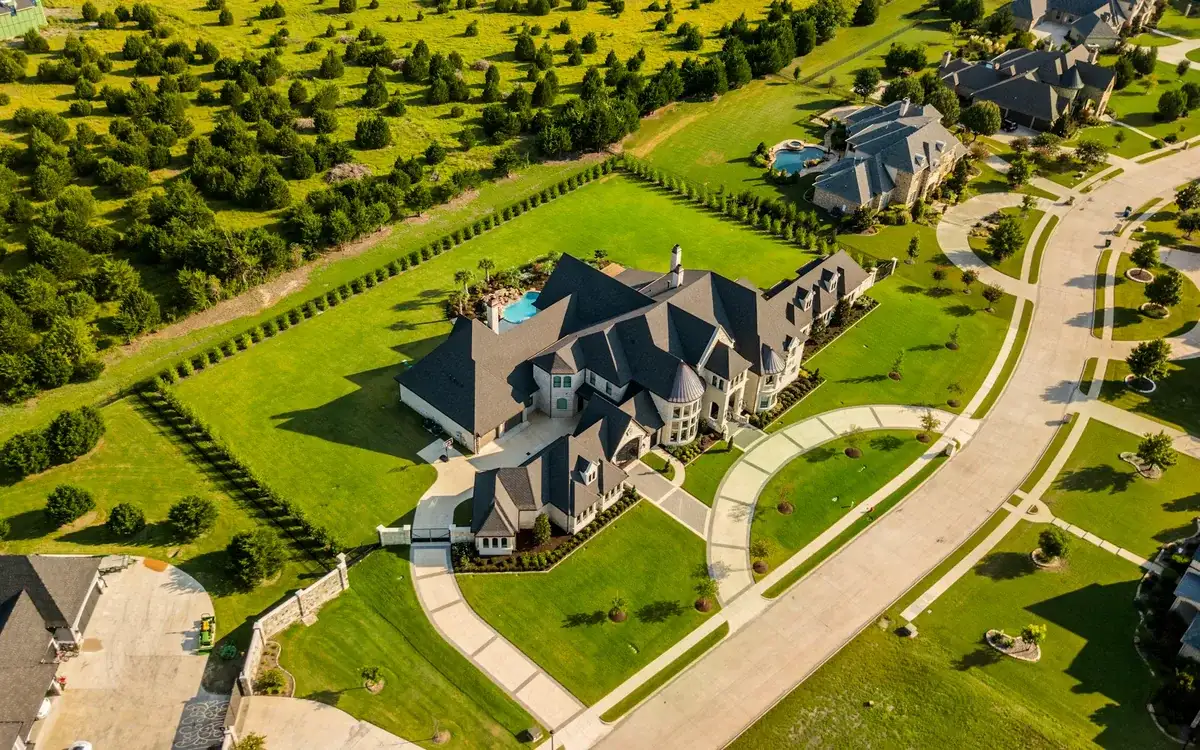
The orbit turns around a fixed point at a constant distance. On a property it does one job: it makes the volume legible. A house photographed head-on is a rectangle; the same house seen while turning becomes a three-dimensional object, with depth, a roof, a gable end, an extension nobody would have guessed at from the street.
Two conditions, and they are strict. A quarter turn is enough: the full circle brings you back to the start and adds nothing but running time. And the movement must be slow to the point of looking almost still, because slowness is what lets the eye read the elevations. The fast orbit you see everywhere is spectacular for three seconds and teaches nothing; it is the opposite of a selling point.
The starting angle, though, is chosen on the ground: the one from which two elevations are visible at once, never a single one. It is the only setting that really matters, and it is decided before take-off, by walking around the building.
The reveal: what is there all around?
The reveal starts tight and opens up. On a property it answers the question a video walk-through never covers: the surroundings. The neighbour you cannot see from the living room, the road two hundred metres away, the field behind the hedge, the ridge line in the distance. It is often what convinces a buyer coming from far away, because it places the property in something rather than nowhere.
The usual mistake is to pull back without climbing, or to climb without pulling back. Pulling back alone flattens the relief and gives a plain frame in which nothing stands out. Climbing alone turns the house into a postage stamp without ever showing what surrounds it. The two together, in one continuous movement, produce the intended effect: the property stays legible while the context appears around it.
It has a drawback that has to be owned: it shows everything, including what you would rather have kept quiet. An honest reveal is worth more than a reveal that stops just short of the shed next door. The buyer will find out anyway, and finding out on site after a two-hour drive costs far more than an objection raised in the listing itself.
The top-down: where does the property end?
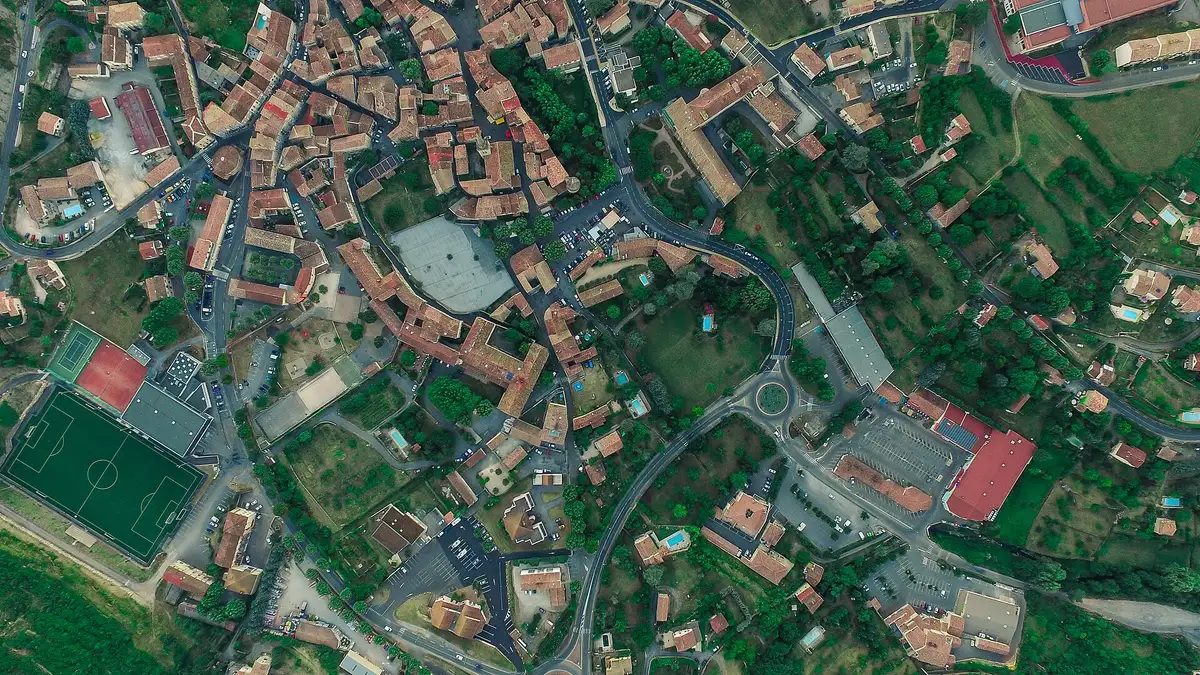
The camera looks straight down. It is the most useful shot in real estate and the least often asked for. It alone gives you the plot: the shape of the land, where the house sits on it, the real size of the garden, where you park, the distance between the building and the boundary.
It comes at a price. Looking straight down, the elevations disappear and the volume with them: all you read is roofs and surfaces. That is precisely why it is never enough on its own and always pairs with one of the other two paths.
One detail changes everything at the moment of shooting: a top-down is only truly legible if the lines of the plot run parallel to the edges of the frame. One crooked fence in the image and the eye spends its time straightening instead of reading. It is a quarter turn more on the aircraft, and it is set before climbing.
Three questions, three durations, three ways to fail
| Flight path | What it answers | Useful length | What kills it |
|---|---|---|---|
| The orbit | The shape and volume of the building | Six to ten seconds, a quarter turn | Speed, and the full circle |
| The reveal | What lies around the property | Eight to twelve seconds | Pulling back without climbing |
| The top-down | The boundaries and layout of the plot | Four to six seconds | A crooked frame |
The edit order, and the shot you do not fly
In a listing video the order that works is almost always the same: the top-down locates, the orbit describes, the reveal concludes. The first shot says where you are, the second what you are buying, the third lets the gaze travel away. Reverse it and you end on a technical frame — and nobody finishes a viewing on a land registry map.
That leaves the shot you do not fly. There is no fourth path to add on the grounds that there is battery left: three well-executed moves make the opening of a video, six make a music clip. The rest of the film is shot on the ground, where what the buyer actually came for is to be found.
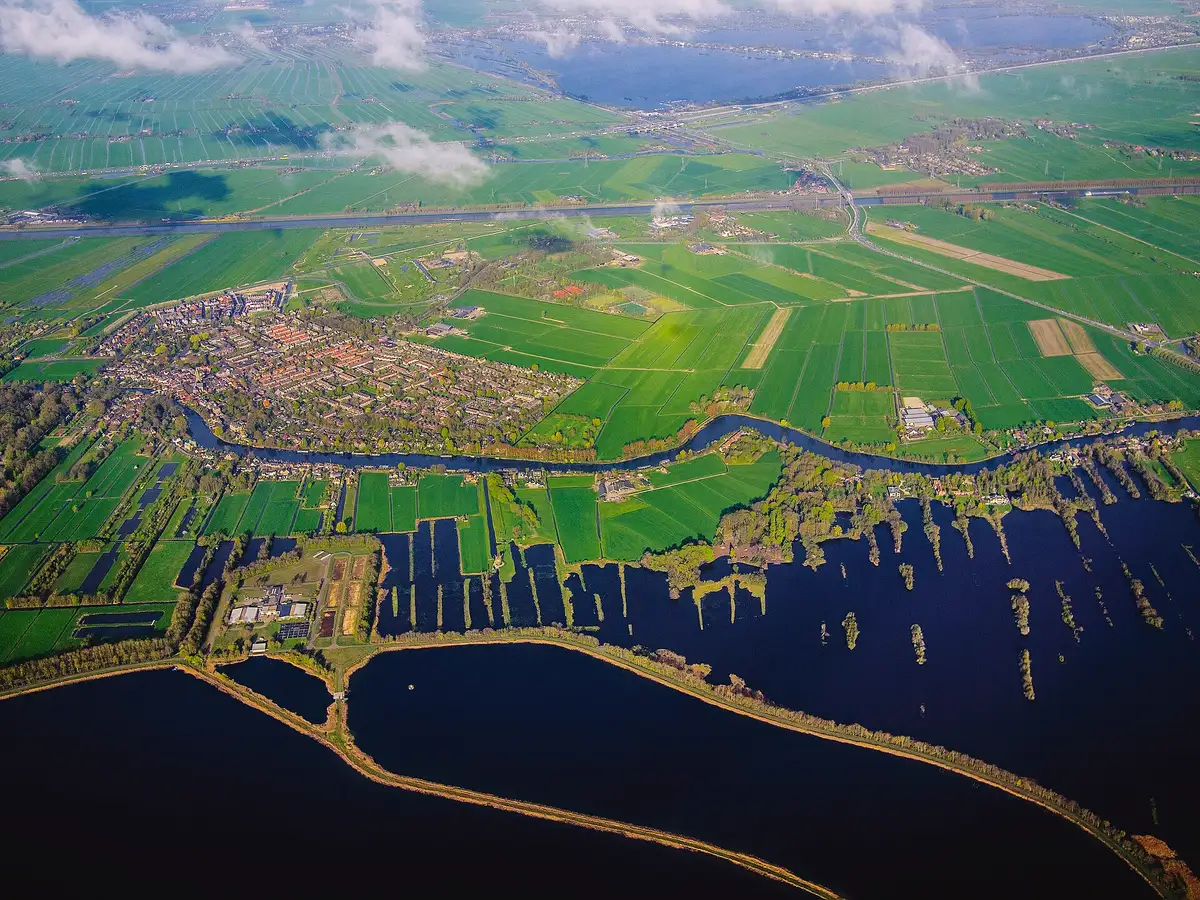
And the flight itself is never a given: whether it is feasible is checked location by location, before anything is promised. If you fly yourself, our guide to aerial filming of a property covers the subject from the rental side, and aerial composition completes the framing part. If you would rather hand me the shoot, describe the property in a request in the property context: that is where we decide together which of these three paths your property really calls for.
More in this section
 Services
Wedding film: what we film from morning to night
What a camera really captures on a wedding day, from the bride and groom waking up to the first dance, and what is prepared beforehand.
5 min read Services
Wedding photographer: how does the service work?
Online quote, preparatory exchange, wedding day, receiving the images: the complete process of a wedding photo shoot, without any unpleasant surprises.
4 min read Services
Filming a seminar: what happens to it afterwards
A company day filmed without knowing what the footage is for produces a file nobody opens. The question of use comes before, not after.
2 min read