
Drones
Drone regulations in France 2026: the essentials
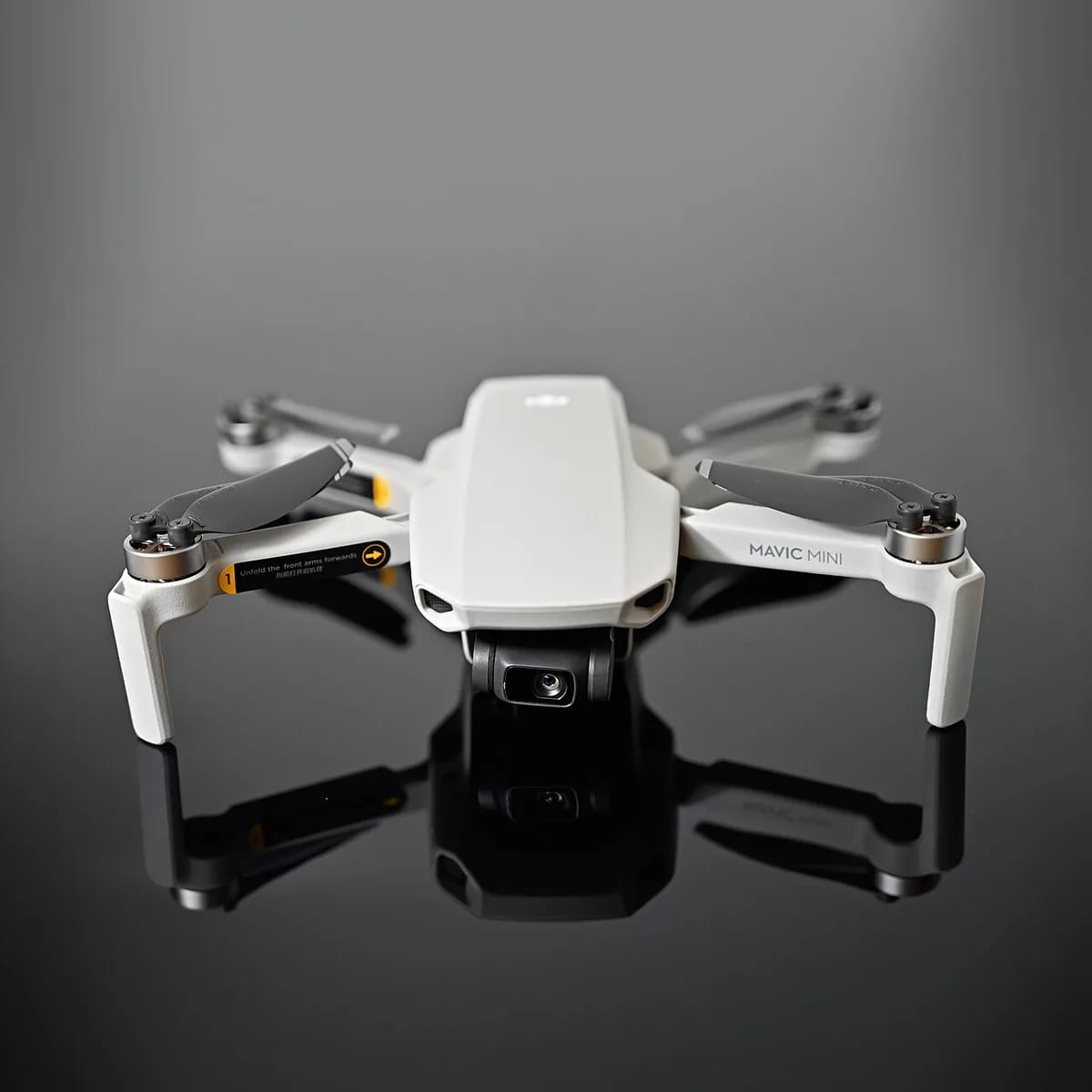
The drone regulations in France 2026 evolve regularly, and mastering the rules in force is not an option: it is the condition for flying peacefully, legally and without unpleasant surprises. Whether you are preparing a real estate capture, an event report or simply a leisure flight session, this complete guide takes stock of the applicable legal framework. And if you rent a DJI Mini 4 Pro or a DJI Mini 5 Pro from Fox Rider, you already leave with identified and insured equipment.
The current European regulatory framework
Since January 1, 2024, European regulations have fully applied in France and harmonize practices across the Union. It classifies drone operations into three main categories according to the level of risk: open, specific and certified. For leisure or semi-professional use with a general public rental drone, you operate in the open category, the most accessible. To put this into practice, our drone rental gives you recent DJI drones, checked before every departure.
This European logic replaces the old Franco-French system based on scenarios S1 to S4. The objective: a remote pilot trained in France can now fly in any EU country while respecting the same principles.
The open category and its subcategories
The open category is divided into three subcategories, which define the distance to be respected from people:
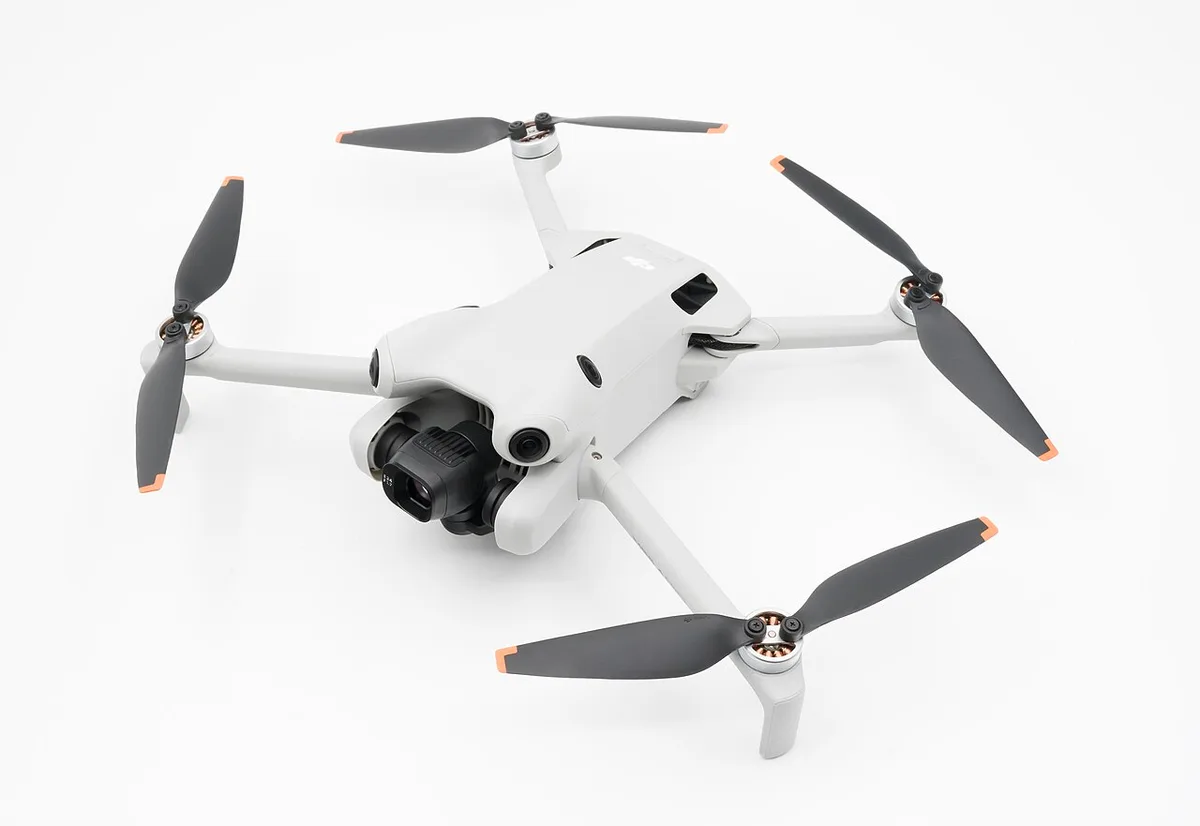
- A1: flight near people, reserved for drones weighing less than 250 g (like the DJI Mini 4 Pro) or C0/C1 certified.
- A2: flight at least 30 meters from people, for C2 certified drones.
- A3: flight away from people and populated areas, accessible to all devices in the open category.
Mandatory registration and training
Before taking off, any remote pilot must complete a few simple but essential steps:
- Register on AlphaTango : the official DGAC portal allows you to obtain a UAS operator number. The process is free and is done online.
- Pass the A1/A3 training: also free on AlphaTango, it is compulsory for drones weighing more than 250 g or equipped with a camera. It concludes with a short online exam.
- Affix the registration number visibly on the device. Good news: all Fox Rider rental drones are already identified and compliant.
Basic flight rules to know
The law strictly regulates how to fly a drone, wherever you are. Here are the essential principles:
- Maximum altitude: 120 meters above the ground.
- Mandatory direct view (VLOS) flight: never behind an obstacle or out of your visual field.
- Ban on flying over gatherings of people.
- day flight only, unless otherwise specified.
- Imperative compliance with regulated areas: airports, sensitive sites, military zones.
- Respect for private life: no capture of people or identifiable properties without their consent, nor dissemination of images where they would be recognizable.
These rules are not simple recommendations: they engage your responsibility as a pilot and condition the validity of your insurance.
Prohibited and restricted areas: check before each flight
Before each takeoff, the reflex to adopt is to consult the Geoportal map or the Drone Keeper application (formerly AIP Drones) to check that the area is authorized. The most common restrictions concern:
- The surroundings of airports and airfields.
- Nuclear sites, military installations and penitentiary establishments.
- National parks and nature reserves.
- Monuments and protected sites.
- City centers and densely populated areas.
- temporary zones: an event, a forest fire or a relief operation can close an area overnight.
It is precisely for these temporary restrictions that the verification must be done just before the session, and not several days in advance: an area opened yesterday can be closed today. A glance of a few seconds is enough to avoid an offense with serious consequences.
Rest assured, most of the territory remains accessible. The open countryside, hills and rural areas far from large cities and aeronautical platforms offer superb playgrounds and are most often open to flight - the most photogenic landscapes are often where the airspace is the freest.
The routine to follow before each takeoff
A well-prepared flight is a flight without unpleasant surprises. Five actions are enough:
- Check the official map to confirm that your location is open to flying that day.
- Check the weather forecast: Wind and rain are the drone's enemies.
- Locate a clear takeoff area, away from people and obstacles.
- Make sure you have your registrations and certifications up to date.
- Anticipate the unexpected: monitor your battery and be ready to land at the slightest abnormal behavior.
The lighter diet for drones weighing less than 250 g
Good news for users of the DJI Mini 4 Pro or Mini 5 Pro: these devices weighing less than 249 g benefit from a lighter diet. They can fly in subcategory A1, that is to say closer to people, which makes them particularly suitable for shooting in urban environments or during family events.
Be careful, however: as long as the drone is equipped with a camera – which is the case with all our models – registration on AlphaTango remains obligatory. The featherweight simplifies things, but does not dispense with the administrative minimum.
Remote pilot insurance and liability
No text requires you to take out civil liability insurance for a recreational drone weighing less than 20 kg. Your liability is automatically incurred for damage caused to people and property on the surface: the victim has no fault to prove. So check if the civil liability of your home insurance covers the use of a drone: many contracts exclude aircraft, some expressly include recreational model aircraft. At Fox Rider, breakage and theft insurance is included in all our drone rentals: you don't have to take any additional steps and fly with peace of mind. It covers the equipment, not damage caused to third parties.
What are the penalties in the event of an infraction?
Failure to comply with the regulations exposes you to severe sanctions, which can reach a fine of up to 75,000 € and one year of imprisonment for the most serious cases. The most frequently observed offenses remain flying over prohibited areas and exceeding the maximum altitude of 120 meters. It is therefore better to prepare each flight seriously.
Ready to take action?
At Fox Rider , we provide you with professional equipment for rental, ready to use and checked before each shipment. Event, creative project or simple pleasure of flying: rental allows you to benefit from the best equipment without heavy investment or maintenance management. Fast delivery throughout France, breakage and theft insurance included, and technical support by telephone.
More in this section
 Drones
Drone beginner: 5 mistakes to avoid with the DJI Mini
Flying a drone for the first time is both an intimidating and exhilarating experience. The DJI Mini, acclaimed […]
4 min read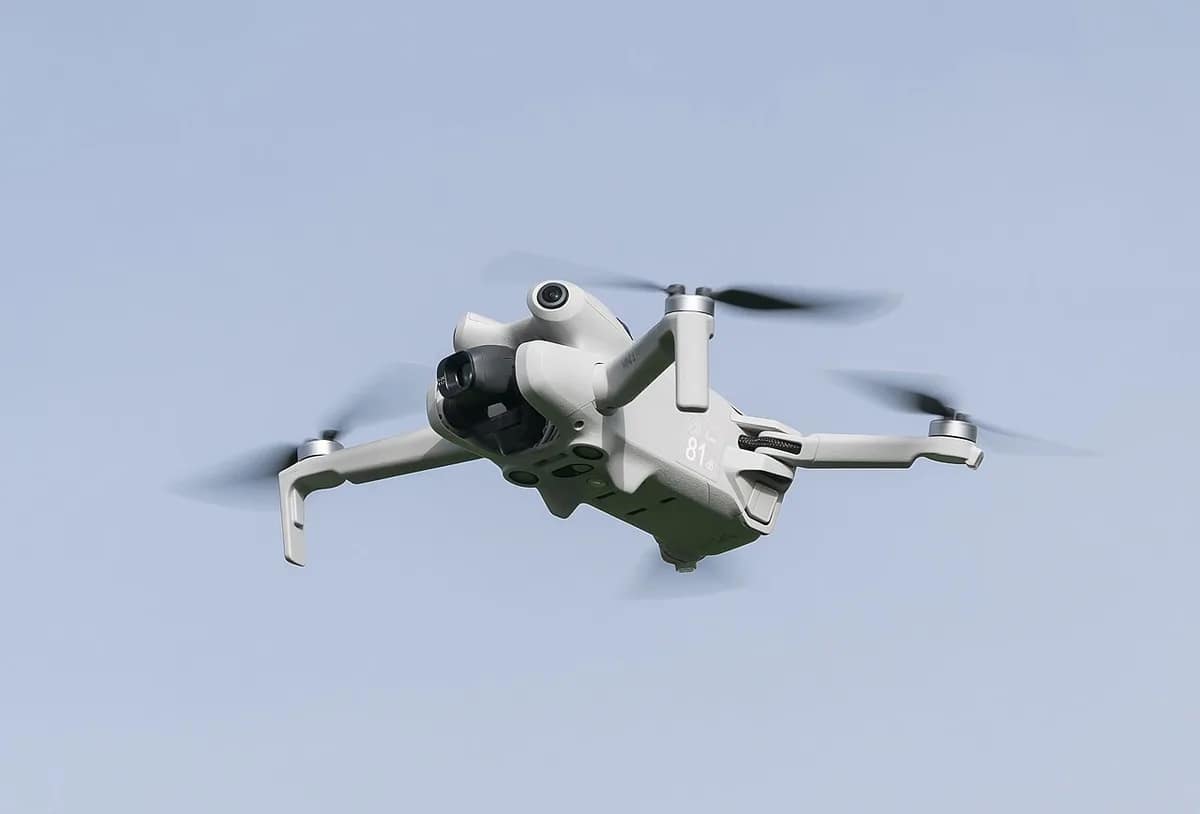 Drones
DJI Mini 4 Pro: complete tutorial for your first aerial videos
You have just rented a DJI Mini 4 Pro and you are itching to get this little gem off the ground. Good […]
4 min read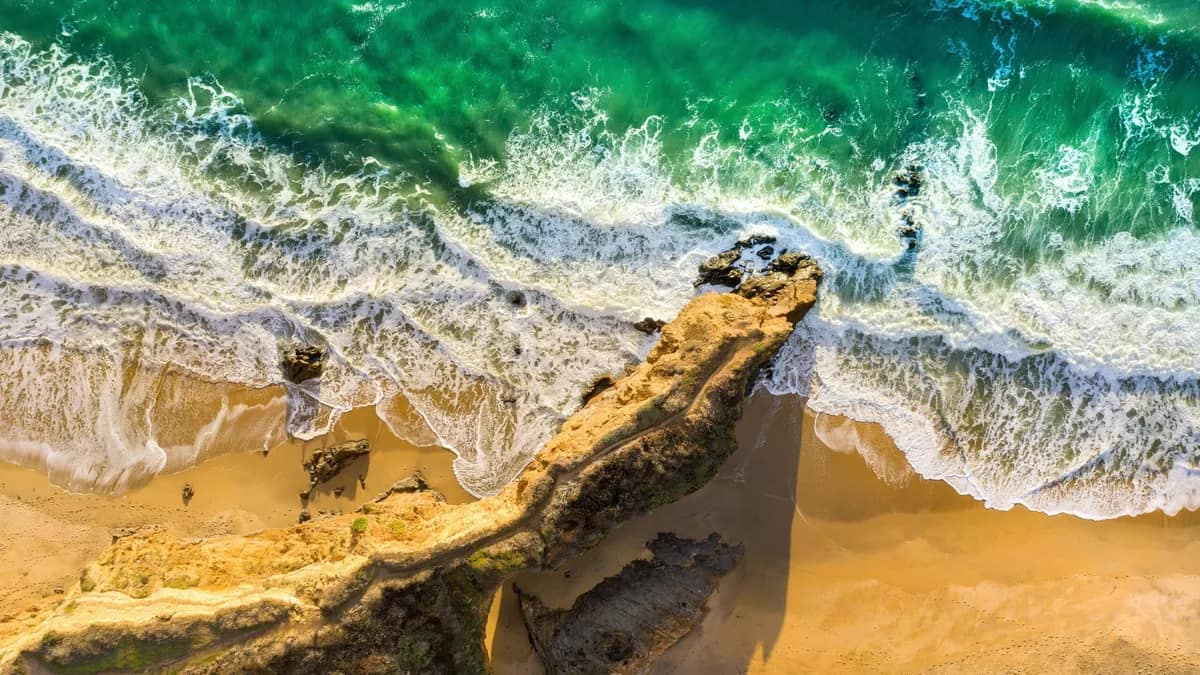 Drones
The 5 most beautiful aerial shots to achieve with a DJI Mini
Lightweight, compact, capable of slipping into any backpack, the DJI Mini 4 Pro fits in the […]
3 min read