
Events
Filming a corporate day without disrupting the programme

A company day is not a shoot. It is an expensive programme, gathering people who travelled to be there, and it does not pause because a camera was not ready. The rule is therefore simple and admits no exception: the programme comes before the picture, always. The whole craft is getting good images without ever asking for anything to be done again.
The hour before decides the day
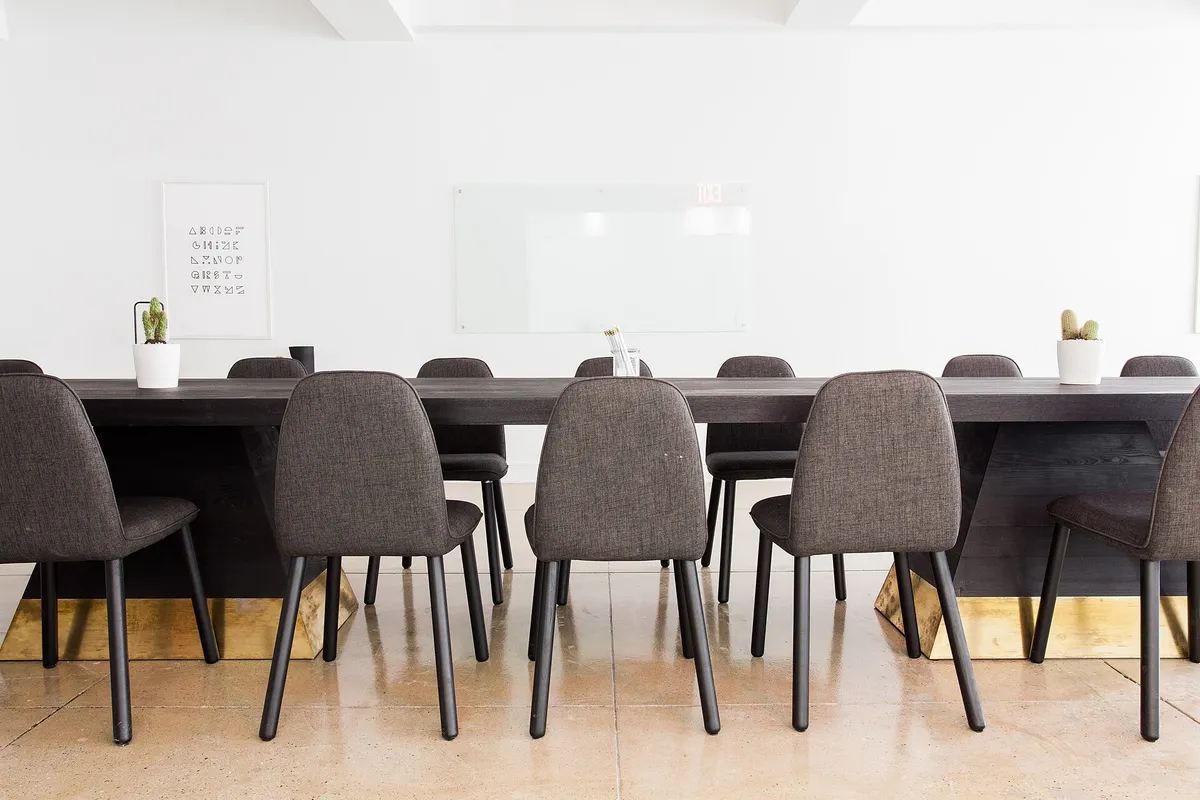
When the room is empty, everything is possible: you try three positions, you plug in, you meter the light, you find the door you can leave by without crossing the room. An hour later, none of that can be done without disturbing forty people. That is why I arrive early and ask for the room to be accessible before the welcome — not ten minutes before, a good hour.
What gets settled in that hour is very concrete: where to run the cable so nobody stands on it, which socket works, whether the projector leaves a light spill in frame, and whether the room has a PA to plug into. The answer to that last question changes the recording more than the choice of camera does.
Moving without being noticed
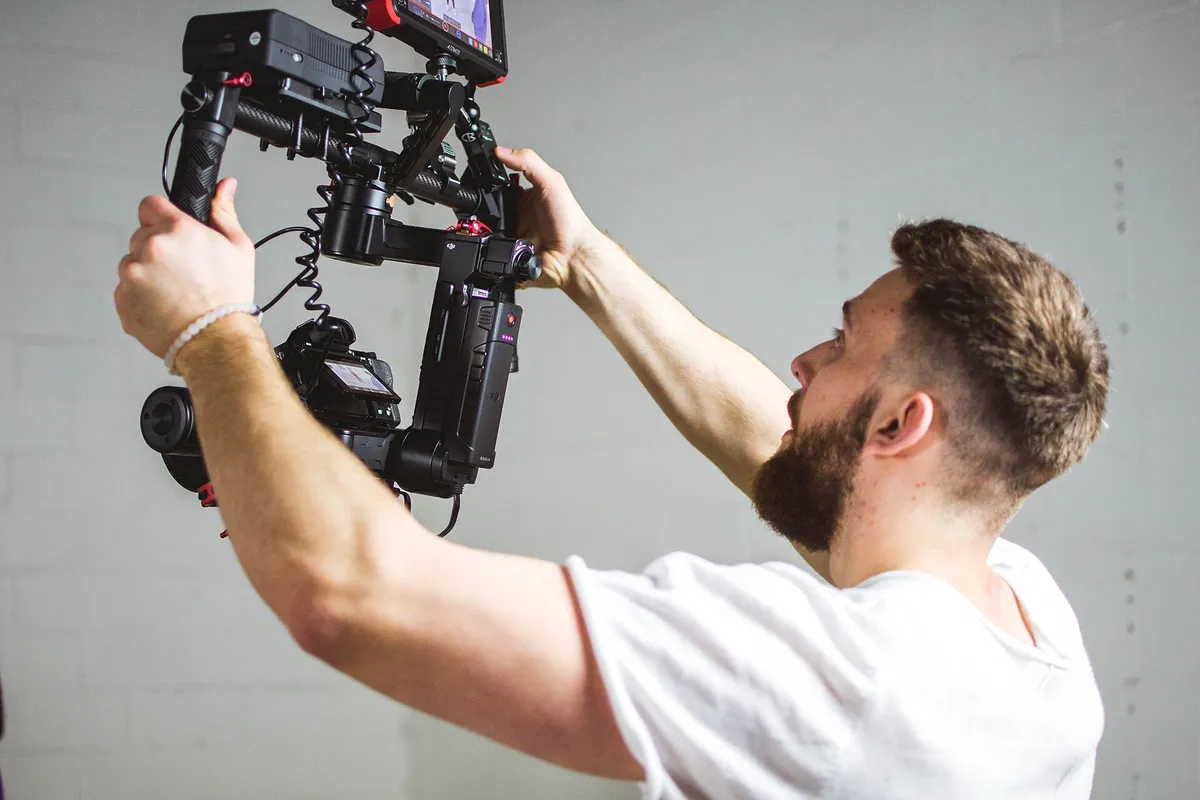
A seated room forgives very little. Every move down an aisle breaks the attention of a whole row, and doing it three times per speaker makes you the subject of the day. The rule I apply to myself: move during applause, during slide changes, while one speaker replaces another — never during a sentence.
That means giving up shots. You do not go hunting for the perfect reverse angle in the middle of a talk: you take it on the next one, or you do not take it. That is the honest compromise of a company day, and it is better stated upfront than discovered afterwards.
Being forgotten also comes down to silly details: shoes that do not clatter on a wooden floor, clothing close to what the attendees wear rather than gear slung across the chest, a bag set down once and for all in a corner instead of dragged from row to row. Over a whole day, those three trifles do more for discretion than any setting.
The gaps are not dead time
The plenary gives useful but predictable images: somebody speaks, a room listens. The images that make the difference in the final edit are nearly all shot elsewhere — in the coffee queue, while a workshop is being set up, when two people who had never met introduce themselves. They are also the only moments when you can ask for a gesture, because nothing is being interrupted.
A dense programme leaves few of these breathing spaces, and they are almost never written into the running order. It is the first thing I ask the organiser: what time do people leave the room, and for how long.
Attendees did not come to be filmed
A seminar gathers employees who did not choose to be on camera. Three moves cost ten minutes and avoid most of the trouble: send a message the day before, post a note at the entrance, and say clearly where the images will be published — on an intranet, on a public site, on social media. It is not the same request in the three cases, and people know it perfectly well.
- Leave a visible area where nothing is filmed, for those who would rather stay out of frame.
- Name one contact person on site, so questions can be asked without hunting me down.
- Avoid close-ups of laptop screens and documents left on the tables.
If you would rather equip your own teams than bring somebody in, renting gear for a company event answers the same need from the other end, and the gala case covers end-of-day evenings.
For a day on site, describe the programme and the intended use in the service form. And if the subject is your premises rather than an event, filming a shop in half a day shows what the short format looks like.
More in this section
 Events
Wedding photobooth: kiosk or instax, which to choose?
Turnkey photo booth or self-service photo corner: two different entertainment options, compared without claiming that one replaces the other.
5 min read Events
Photobooth instax: set up your photo corner
An instant device, a table and a background are enough to replace a terminal. You still need to adjust the distance, the light and the queue.
5 min read Events
HF microphone: successful wedding speeches
The witness will speak in front of one hundred and twenty people. Here's which band to legally broadcast on, where to plug the receiver and how to avoid feedback.
5 min read