
Drones
The hour of the flight: the cast shadow decides
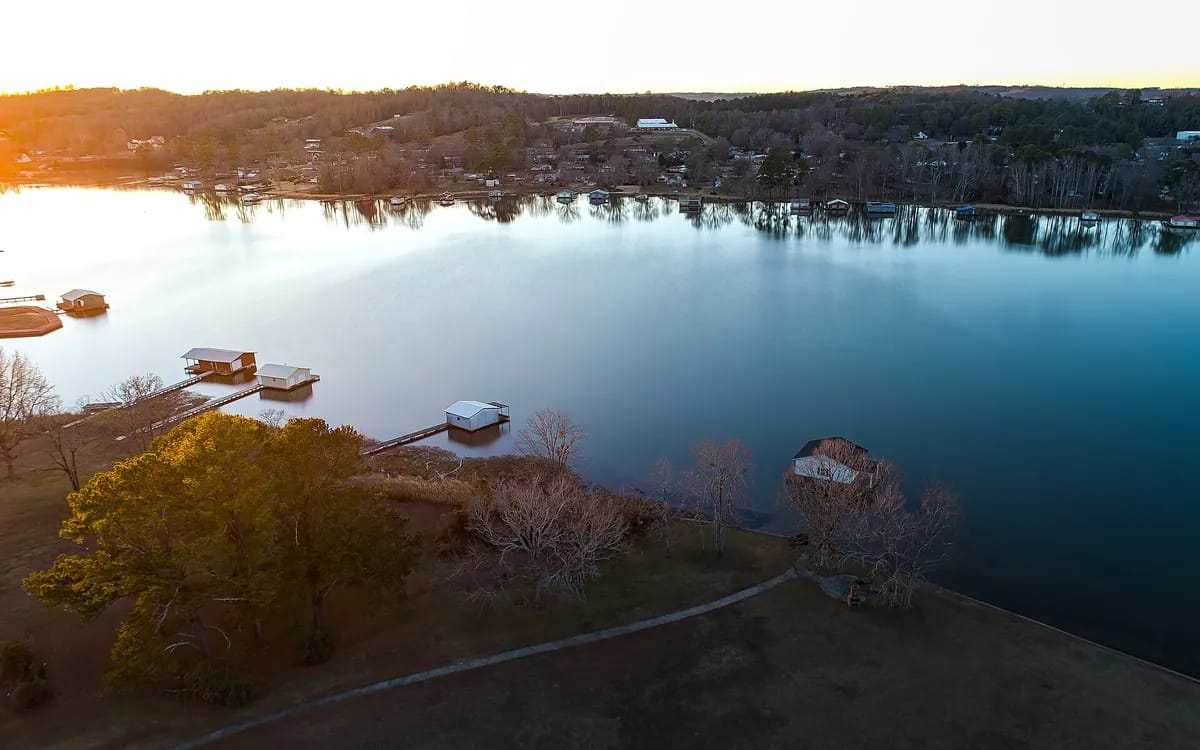
The advice is everywhere, and we have given it ourselves in aerial composition: shoot at sunrise or sunset. For a landscape that is right. For a property it is right half the time — and the other half it gives you a black façade and an orange garden.
The reason is simple: in a landscape the light is the subject. On a property the subject is an object sitting on the ground, facing a particular way, casting a shadow across the very thing you are trying to sell. The hour of the flight is therefore not chosen from the sun, but from what the shadow is doing that day.
What shadow does to a property
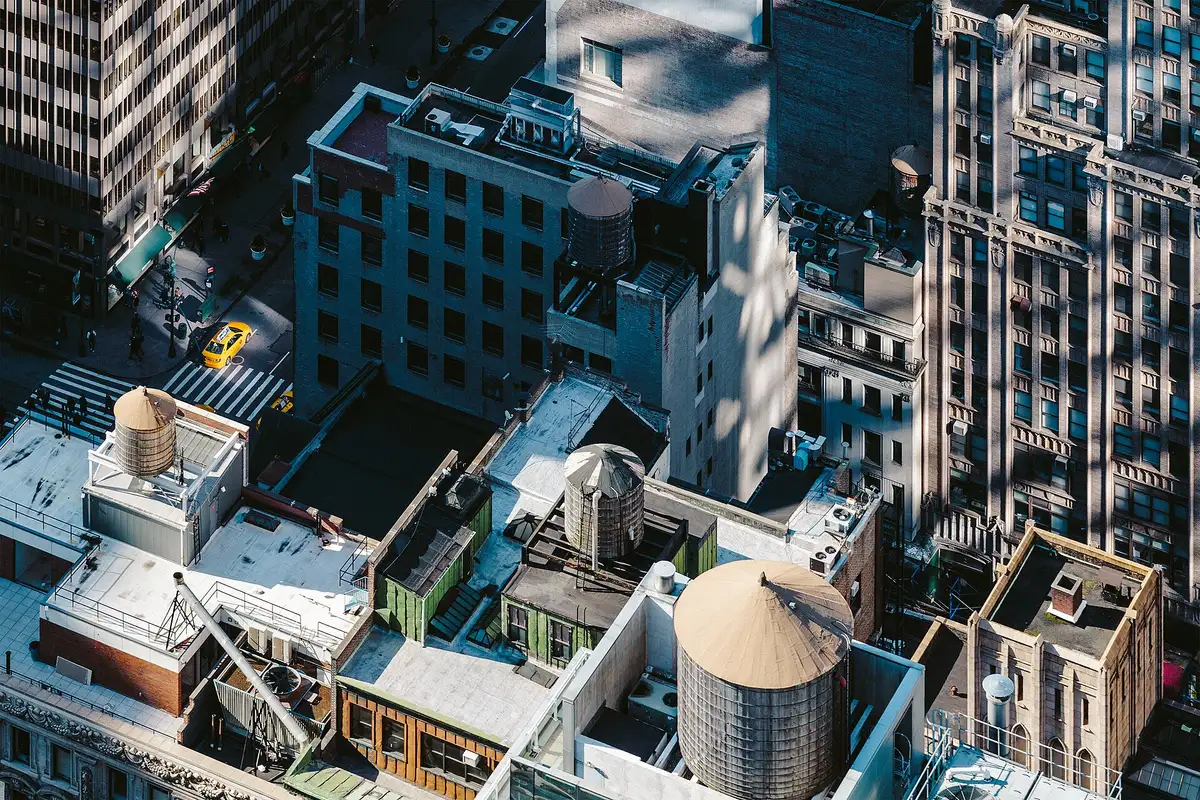
Shadow is what gives volume. A façade with no cast shadow is a flat surface: the setbacks vanish, the balconies merge into the wall, the roof loses its thickness. That is why an image taken under a high sun always looks poor, even though everything in it is perfectly lit.
But shadow has a second, less obvious and more troublesome effect: it swallows surfaces. A house seven metres high casts, late on an October afternoon, a twenty-metre shadow. If the garden is on that side, it disappears. You then have lovely light on the façade and nothing left to show behind it.
The first question: which way does the façade face?
Before talking about times, you need to know the orientation of the main façade — the one that will appear in the listing. A compass is enough, and failing that the shadow of a post during the scouting visit gives the direction in three seconds. That single piece of information sets the shooting window more reliably than any general rule.
Four cases cover almost every situation, and each has a trap of its own.
| Main façade | The window that lights it | The trap of the day |
|---|---|---|
| Due south | Almost all day | At midday, no shadow at all: the volume goes flat |
| East | The morning | In the afternoon the façade is dark while the garden glows |
| West | Late afternoon | In the morning the façade is dead; at sunset, backlight on the axis |
| North | None, or almost none | An overcast sky becomes the ally, not the enemy |
Midday: the trap that feels safe
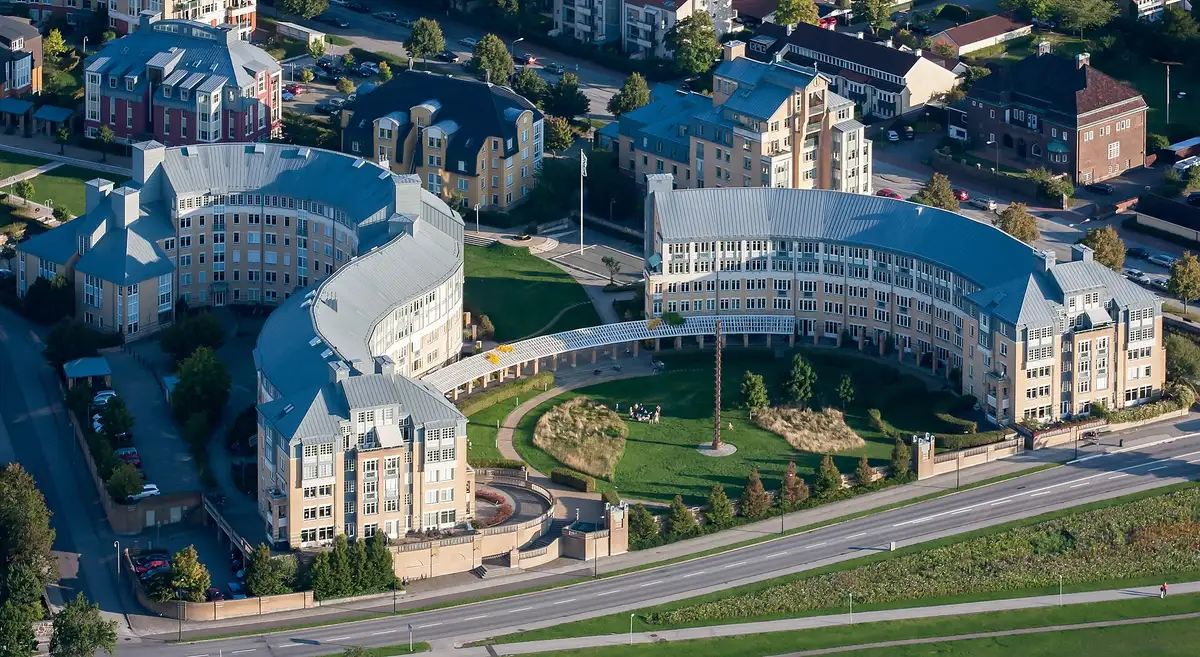
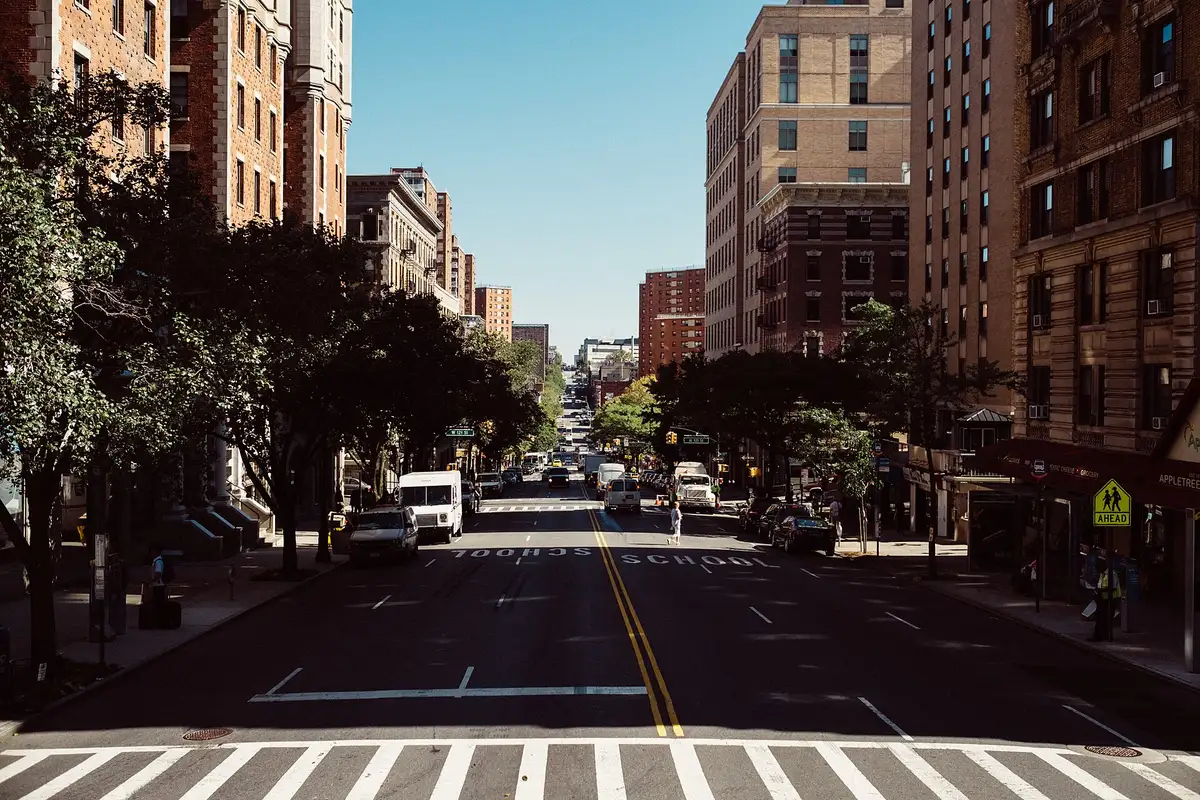
Midday is reassuring because there is no awkward shadow and no risk of backlight, and because it is the easiest time to agree with a client. It is also the worst possible moment to photograph a building. A vertical sun flattens the volumes, burns out pale tiles, blackens the roof overhangs and gives the whole image a hard contrast that nothing recovers.
On a top-down view the effect is even starker: with no shadow on the ground, you can no longer tell the height of a wall from that of a hedge. The plot becomes a flat diagram. Two hours earlier or later, the same objects regain their thickness, and the eye finally understands what it is looking at.
The building's shadow on its own garden
This is the calculation nobody makes, and it is decisive on properties with outdoor space. A terrace on the north side of a house will never see the sun; a pool on the east side will fall into the building's shadow from the middle of the afternoon in autumn. Filming then is not dishonest, it is simply useless: the buyer sees grey water. Filming three hours earlier shows the same pool as it will actually be used.
The season moves everything, including the rule
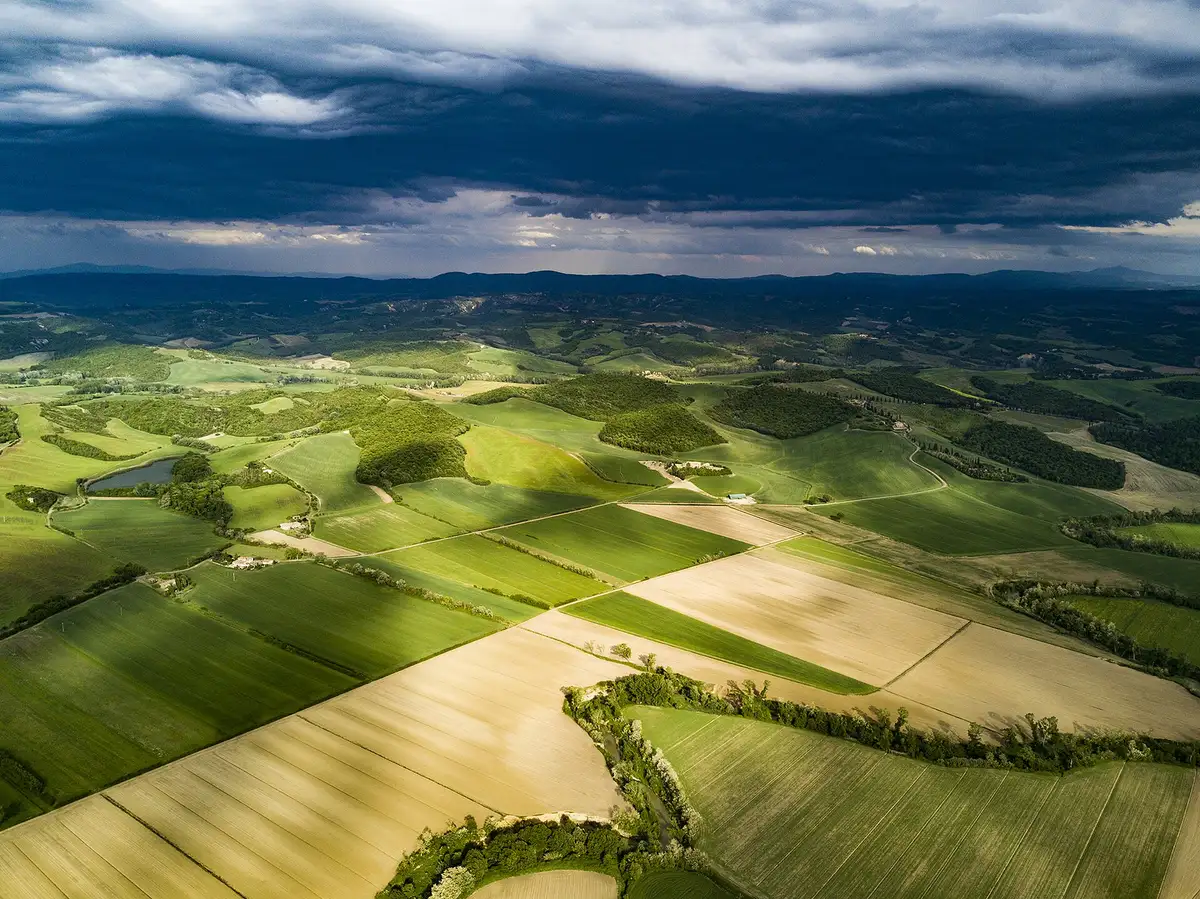
In December the sun stays low all day: the shadows are long from morning to evening, which gives magnificent relief on open land and a garden entirely in shade on a narrow plot. In June it rises in the north-east and sets in the north-west, briefly lighting north-facing façades you thought were doomed. The practical consequence is that the right hour to shoot in March is not the right hour in July, for the same property.
Two shadows people forget
The first is the drone's. On a top-down view, with a high sun and low altitude, the aircraft prints itself in the middle of the frame — a small black cross in the middle of the lawn. It goes away by climbing or shifting the axis a few degrees, provided you think of it beforehand. The second is yours, along with the car, the bag and the gear on the ground: on a wide descending shot all of that comes into frame, and where you park is part of the framing.
When the window does not hold
An overcast sky is not a lost day. The light is even, with no hard shadow: bad for the relief of a plot, excellent for reading the materials of a façade and for a north-facing one. So you invert the programme — the building first, the landscape another day. And you need to know the end-of-day limit: as our article on the authorisations to sign recalls, aeronautical night begins thirty minutes after sunset, which makes the twilight window far shorter than it looks.
One hour's difference changes an aerial image more than any camera setting, which is why I always ask for some latitude on the time rather than a fixed slot. If you fly yourself, aerial filming of a property covers the rest of the subject. If you would rather hand me the shoot, give the orientation of the façade and whether there is outdoor space in a request in the property context: those two lines are enough to set the time of the flight, once it has been checked that flying is possible at that location.
More in this section
 Drones
Framing a property without filming the neighbours
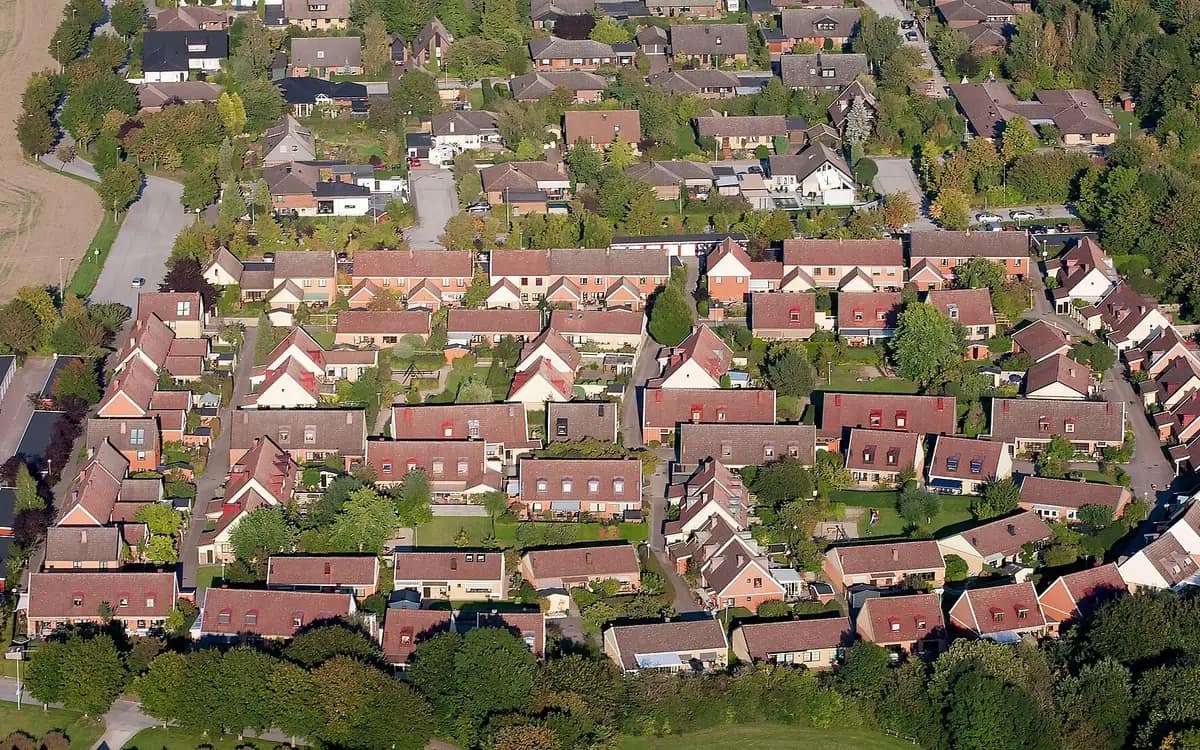
Before it is a legal question, the neighbours are a framing question. Height, direction, where to stop the rotation: how not to have the problem at all.
5 min read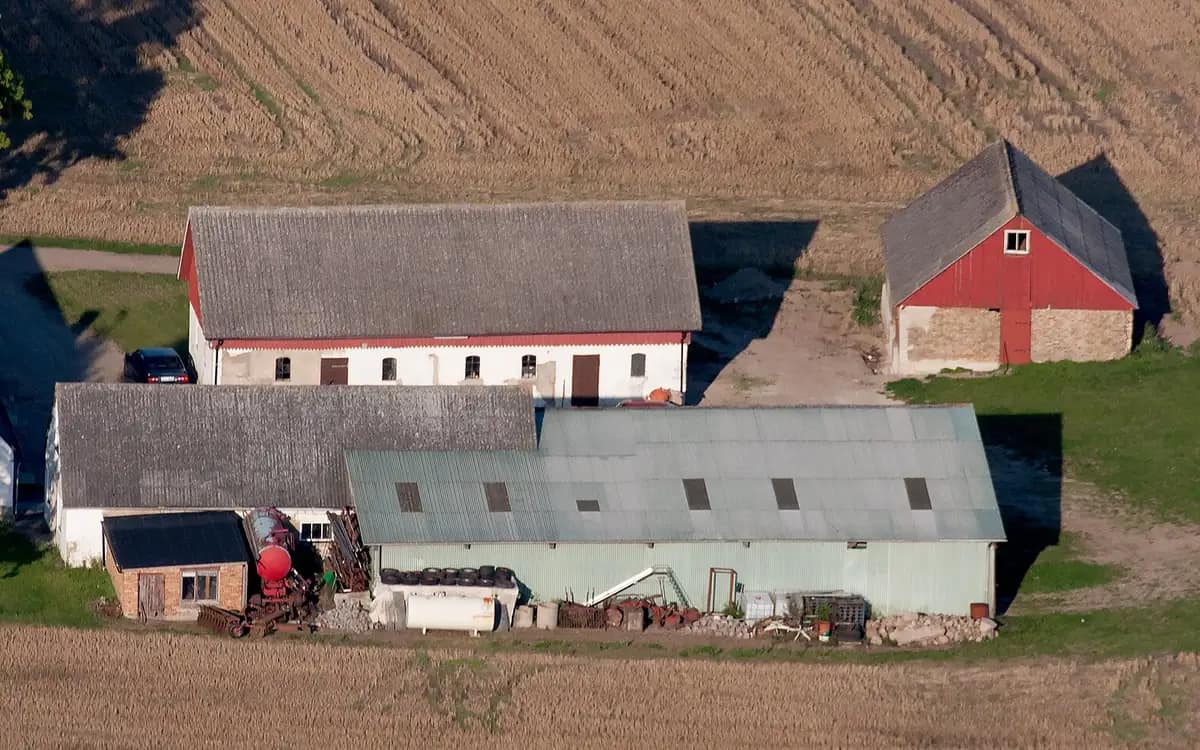 Drones
Bare plot, shed, farmstead: filming with a drone
The properties with no photogenic interior, where the aerial view is not a bonus but the only image that genuinely informs the buyer.
5 min read Drones
Real estate drone: authorizations to sign
An aerial announcement video is shot in an hour. The declaration which authorizes it is submitted ten days before: to be paid before reserving the drone.
6 min read