
Drones
Framing a property without filming the neighbours
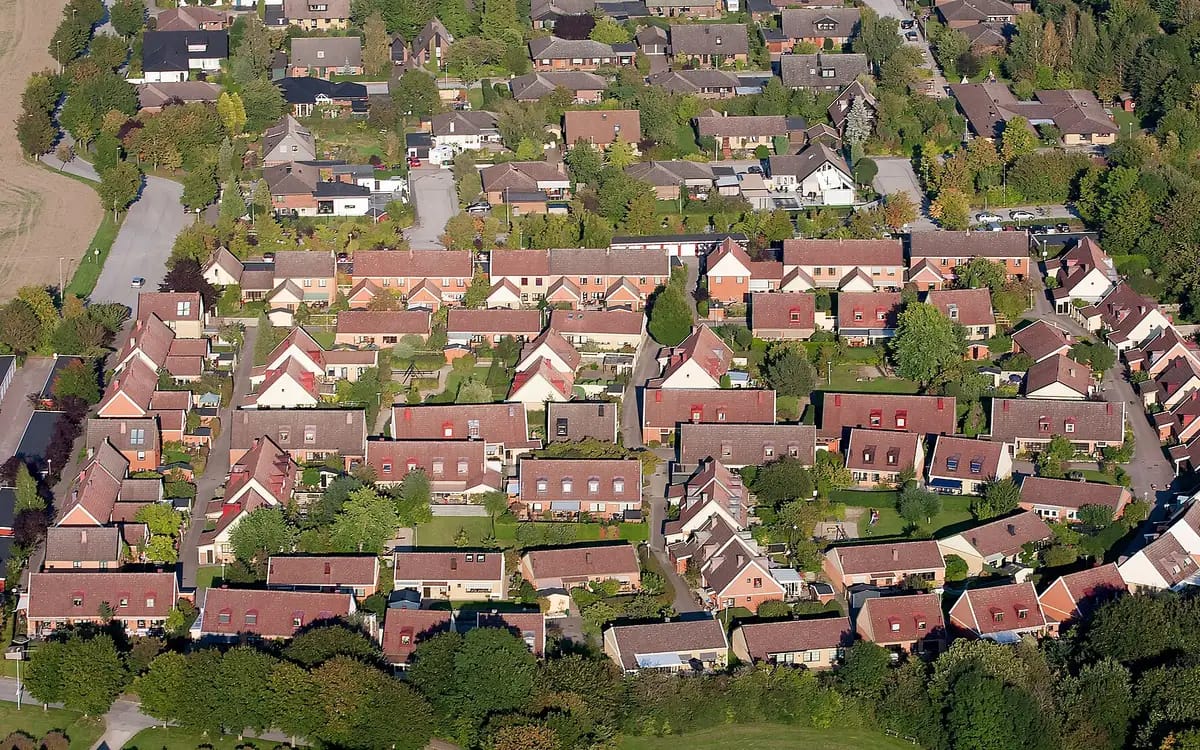
Neighbours seen from a drone are almost always treated as a legal question. They are one, and we dealt with it separately in what the law says about filming people. But before it is a legal problem it is a framing problem — and that is good news, because a framing problem is solved beforehand, for free.
The difference fits in one sentence: there are those who shoot wide and blur afterwards, and those who frame so that there is nothing to blur. The second group delivers cleaner images, quicker to edit and beyond argument. Here is how they go about it.
Climbing is not zooming out: it takes in more
This is the most common error of reasoning. People believe that climbing moves the subject away, as if they were stepping back. In fact an aircraft that climbs keeps the same angle of view and projects it onto a ground area that grows with altitude. Double the height and you double the width of what enters the frame, which means four times the ground area — and a look into far more people’s lives.
Hence a simple discipline, which incidentally matches the so-called one-for-one rule recalled in our article on the authorisations to sign: do not climb higher than the distance between you and the boundary of the property. On a narrow plot that means flying low — and flying low gives better images of a building, because it keeps its height instead of being flattened.
Film towards the property, never from the property
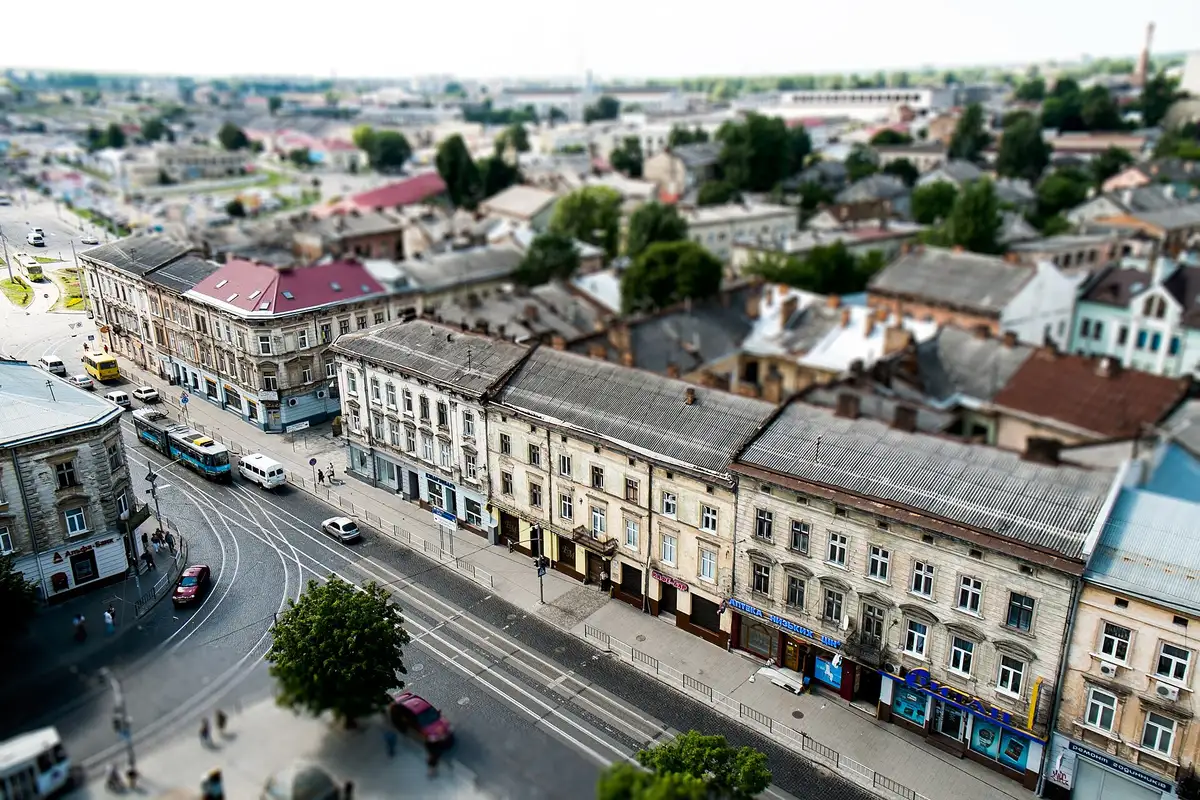
The second rule is a matter of position. An aircraft placed above the neighbour's garden and pointed at the house for sale films, in the same frame, everything it is flying over. The same shot, flown from the road or from the field and directed into the plot, shows exactly the same property with its own boundary behind it and nothing else.
This switch costs nothing: it is the same flight, carried out from the other side. It is decided while scouting, by looking for the two or three axes that have the property in the foreground and emptiness behind — a field, a road, a garage roof, the sky. On a property hemmed in on all sides there is almost always at least one; that is the one you keep, even if it is not the most flattering.
The rotation: knowing where to stop it
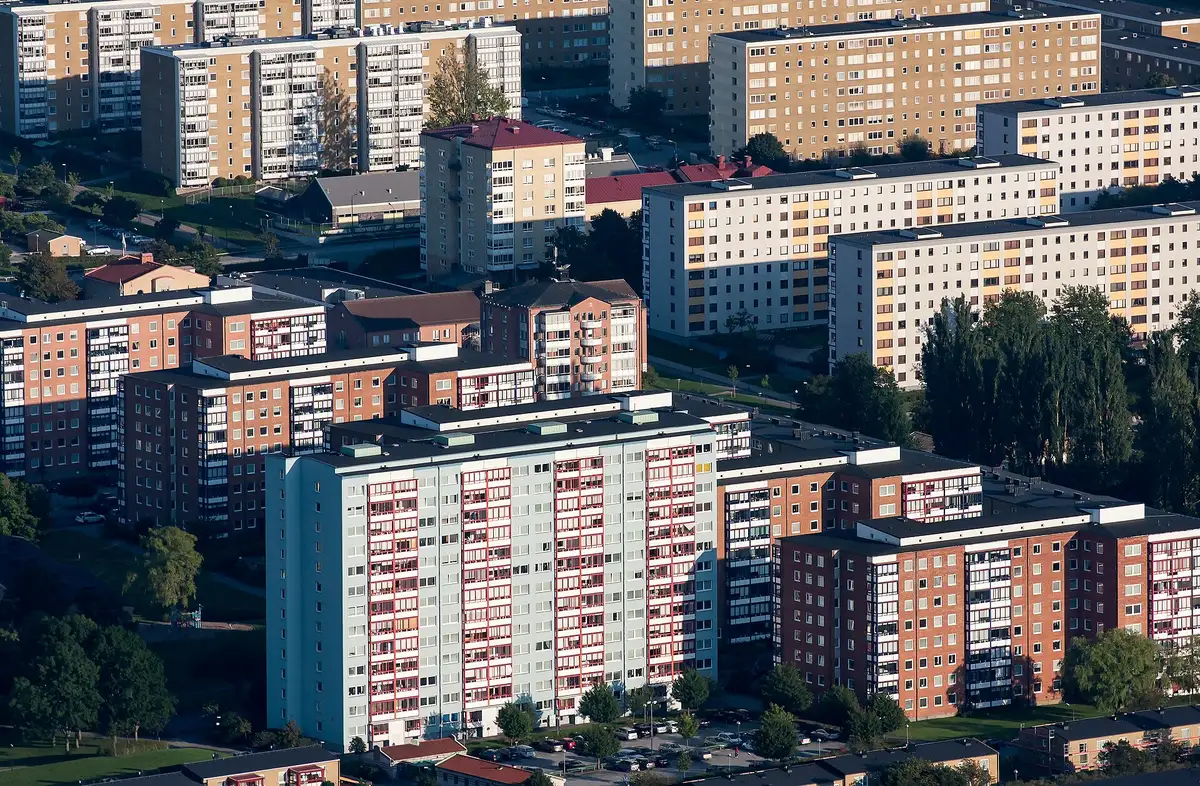
A full orbit around a house sweeps, by construction, 360 degrees of neighbourhood. It is the riskiest path in the repertoire, and also the one most easily launched, because an automatic mode offers it. A quarter turn sweeps only one sector, and that sector is chosen.
In practice you note two bearings while scouting: the one where the movement starts and the one where it stops, both taken on the open side. The rotation stops before the frame reaches the boundary, not once it has crossed it. A clean stop ten degrees too early is invisible in the edit; an overrun shows up on the first viewing.
The wide angle takes in more than you think
Compact drones carry a wide lens. On screen you follow the subject in the centre and your eye never goes into the corners, which is exactly where what you did not mean to film is sitting. The check takes ten seconds: once at the intended height, spin the aircraft on itself and look at what comes in, before rolling the first take. It is the only moment when you discover the neighbour's pool without it being a problem.
What can be fixed in the edit, and what cannot
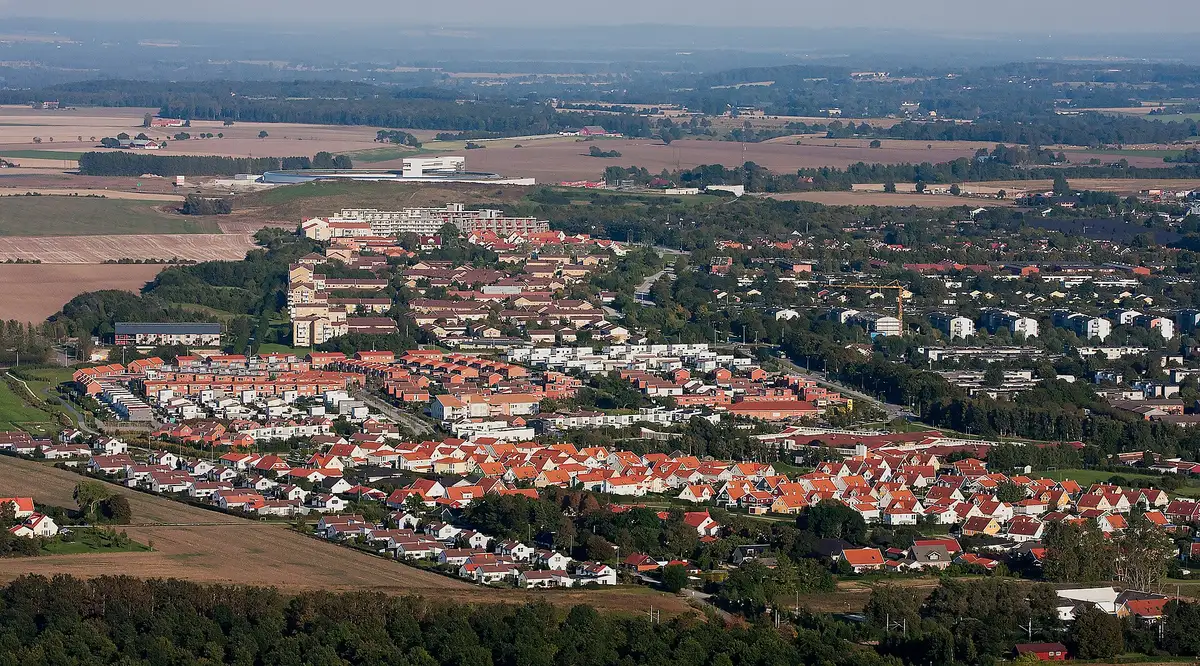
Cropping works, but it costs resolution, and footage already cropped twice has little left to give. Blurring works too, and always shows: a moving patch in the middle of an aerial shot draws the eye far more than whatever it hides. Slowing down or darkening removes nothing at all. Only one genuinely clean move remains, and that is to cut — in other words to lose the shot.
In other words, every editing fix means paying, in quality or in running time, for a decision that would have been free three seconds before take-off. That is precisely why framing is settled in the air and the law on the ground, and never the other way round.
Five habits that make the problem disappear
- Fly lower than the distance between you and the boundary, and accept that this caps the height available.
- Look on the ground for the axes that have the property in front and emptiness behind, and write them down.
- Replace the full orbit with a quarter turn whose two ends are decided in advance.
- Spin on the spot at the intended altitude before the first take, to see what comes into frame.
- Refuse a shot rather than count on blurring: the video loses a second, the file gains one objection fewer.
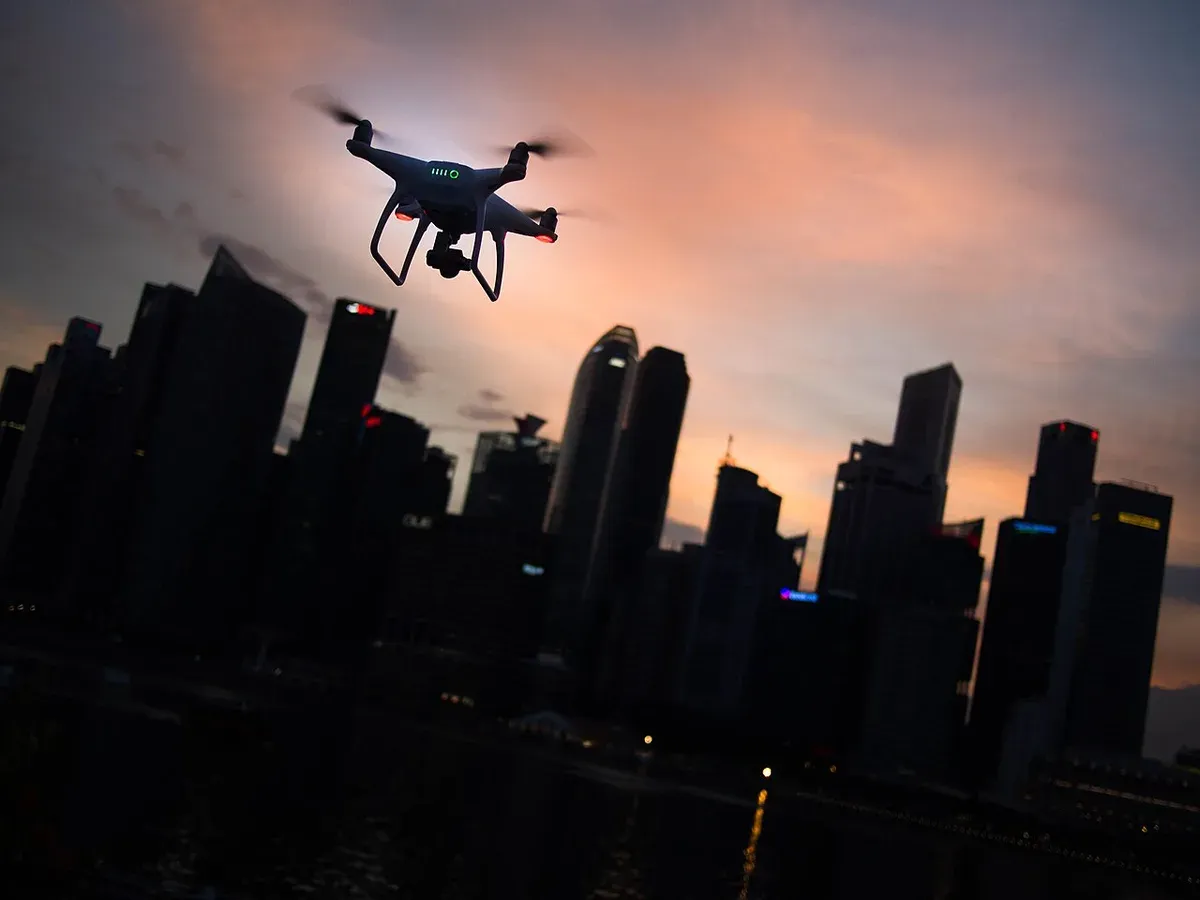
These five habits do not replace written agreements or overflight rules, which still have to be checked location by location before any image is promised. They simply mean the question barely arises. To go further on framing, aerial composition deals with composition proper; and if you would rather hand over the shoot, describe the property and its surroundings in a request in the property context — the neighbours are among the first things I ask about.
More in this section
 Drones
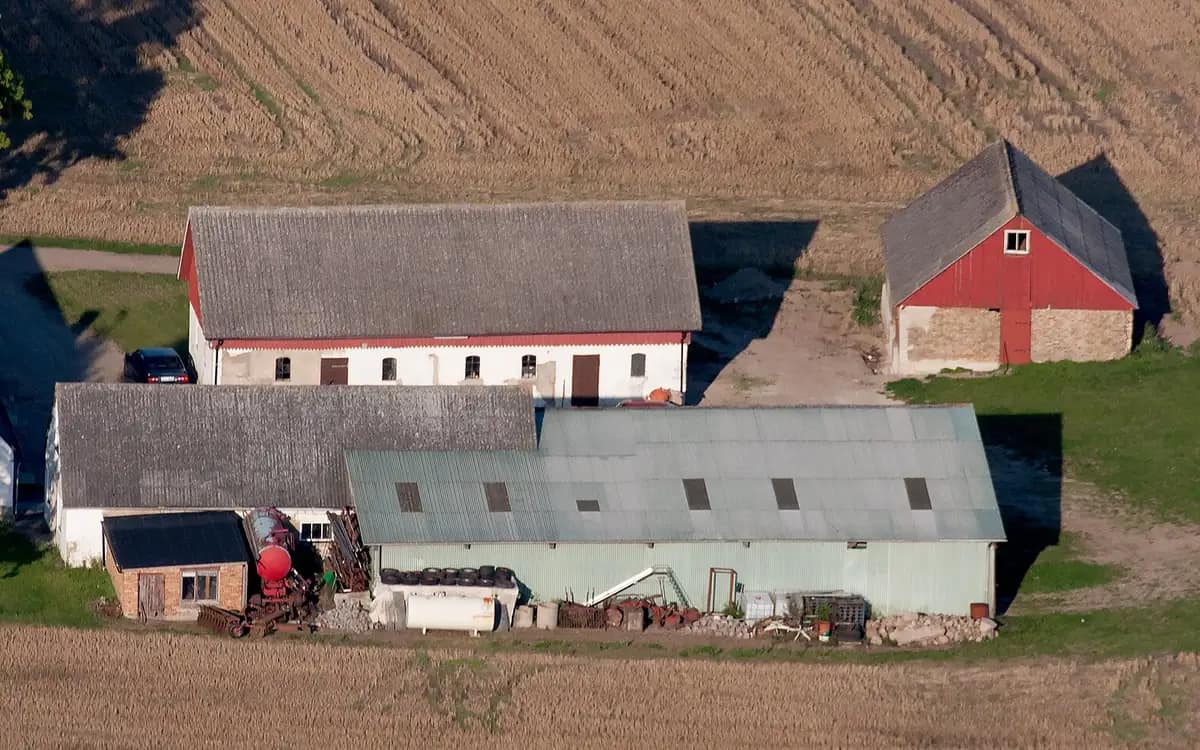
Bare plot, shed, farmstead: filming with a drone
The properties with no photogenic interior, where the aerial view is not a bonus but the only image that genuinely informs the buyer.
5 min read Drones
Real estate drone: authorizations to sign
An aerial announcement video is shot in an hour. The declaration which authorizes it is submitted ten days before: to be paid before reserving the drone.
6 min read Drones
Drone Insurance: Who Pays If the Drone Falls?
Three wallets can be called when a drone goes down, and only one is ours. Who pays what, in what order, and where the deductible ends.
5 min read