
Action & 360 cameras
The 7 beginner mistakes in action video to absolutely avoid
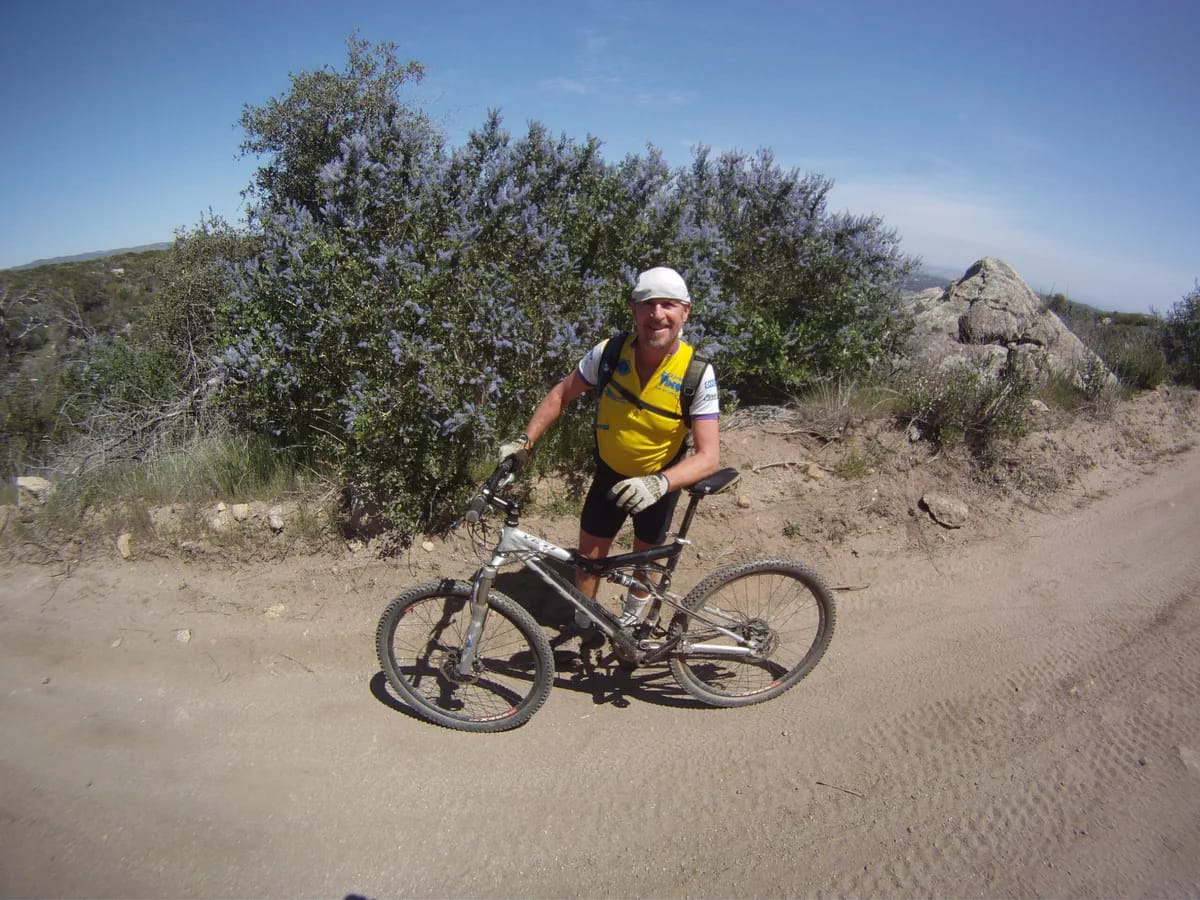
Filming sports, adventure or dynamic activities provides a real adrenaline rush, but action video is also full of technical pitfalls. Forgotten stabilization, poor slow motion setting, neglected sound... and the images of your best descent end up unusable. The good news: these pitfalls are easy to avoid once you know them. Here are the seven most common beginner mistakes and our tips for producing images you'll be proud of.
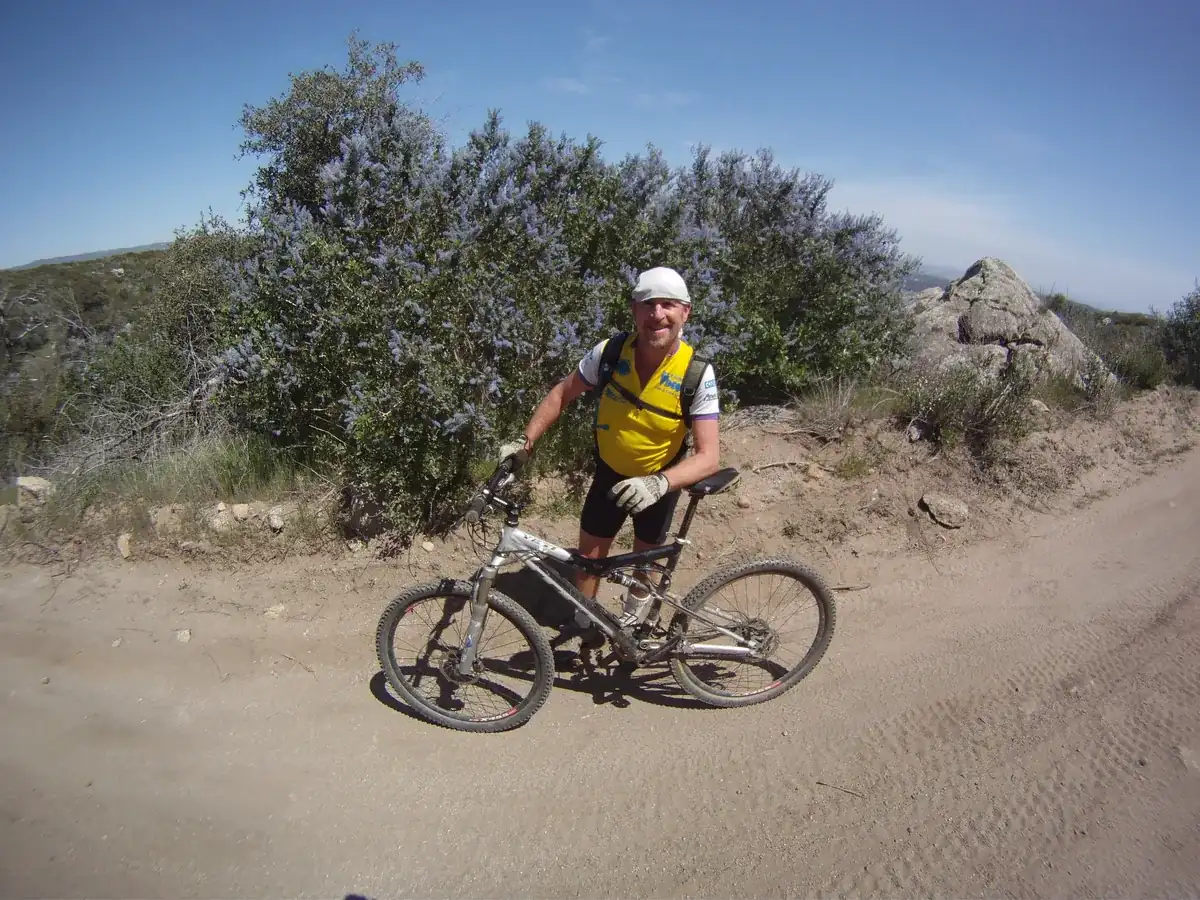
Mistake 1: filming continuously without varying the shots
The most common mistake is to start recording and then leave it alone. Result: hours of monotonous rushes and painful editing. Instead, film in short sequences of 10 to 30 seconds, varying the angles, framing and distances. A dynamic montage arises from the variety of shots, never from their duration. Also remember to alternate wide shots and close-ups to give rhythm to your story, and to place the camera at ground level from time to time: the angle is dramatic and the effect of speed is immediate.
For long transfers — an approach route, a climb, a city crossing — don't film in real speed: switch to TimeWarp mode set to “Auto”. The camera itself adjusts the speed according to your movement and condenses the movement into an accelerated and fluid sequence, without manual adjustment.
Mistake 2: neglecting stabilization
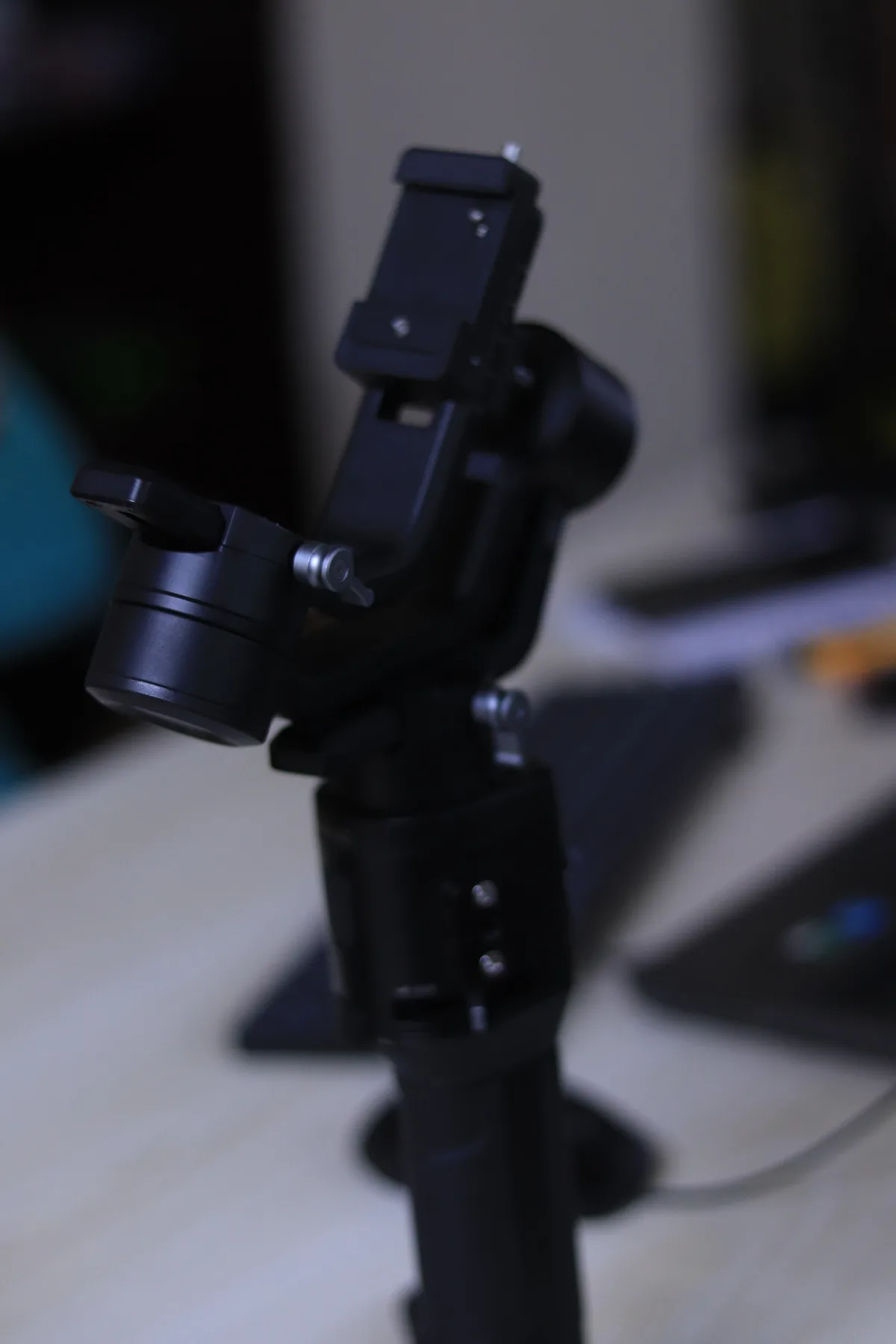
A shaking image makes the viewer dizzy. Always activate the electronic stabilization of your camera: on recent models like the GoPro HERO12 Black , it works wonders. For extreme situations (mountain biking, motorcycle, skiing), add a stabilizer (gimbal) or choose mounting on a helmet rather than by hand, which is more stable and more immersive.
The software isn't everything: when filming handheld, hold the camera with both hands, keep your elbows tight to your body, and walk with your knees slightly bent to absorb shock. This is often what separates a smooth image from one that even stabilization cannot catch up with.
Mistake 3: Bad frame rate for slow motion
Slow motion is the king tool of action video, but it prepares for filming. For smooth slow-motion, shoot at a high frame rate (at least 120 frames per second, ideally more). If you shoot at standard frame rate and then try to slow down during editing, the image becomes choppy and unusable. Choose the right setting before filming the key moment.
Mistake 4: forgetting the sound
Sound is half the video experience. The blowing of the wind, the crunching of the snow, the splashing in the water: these atmospheres reinforce the immersion. Protect your camera's microphone with a windscreen, often provided, and activate the wind filter integrated into the audio settings when it blows. If you are commenting on camera, move closer to her to speak: this is the easiest way to capture a clear voice. During editing, mix your ambient sounds with well-chosen music for a professional result.
Mistake 5: only filming the action
The best aftermovies alternate pure action and moments of life. Film the preparations, the laughter before the jump, the surrounding landscape, the lunch break. These breaths provide context and emotion. Without them, your video is just a succession of soulless clips.
Mistake 6: Ignoring the light
Outdoors, light changes everything. The best times are early in the morning and late afternoon, during the famous golden hour. The midday sun crushes the contrasts and creates harsh shadows. If you must film in direct sunlight, keep it behind your back or to the side, never facing the lens. And when the light is lacking, at the end of the day or in the undergrowth, go down to 1080p rather than aiming for an overly ambitious resolution: the image will be significantly less noisy.
Mistake 7: not saving your files
You've filmed the descent of your life...and the memory card gets corrupted, or you format it by mistake. Back up your files every evening to an external drive or to the cloud. Apply the 3-2-1 rule: three copies, two different media, one copy off-site. This is the guarantee of never losing your most beautiful images.
The right equipment to avoid these mistakes
Suitable equipment forgives a lot of clumsiness. A 360 camera like the Insta360 X5 captures the entire environment: it's impossible to miss an angle since everything is filmed. You choose the perfect framing afterwards, quietly in front of your screen. A robust action camera with good stabilization, on the other hand, saves you from most shaky shots.
Renting allows you to test several cameras and find the one that best suits your practice, without commitment. One weekend with a classic action camera, another with a 360, and you'll know exactly what you need.
In summary
The key to a good action video is two words: preparation and variety. Plan your shots, multiply the angles, take care of the sound, monitor the lighting and save your files. The rest will come with practice. At Fox Rider, you rent the ideal camera to get started, delivered anywhere in France and insured against breakage and theft: enough to experiment with peace of mind before bringing back your most beautiful images.
More in this section
 Action & 360 cameras
Video trends 2026: 360, FPV drone and AI
2026, the year of the video revolution The world of video is evolving at dizzying speed. The material has never […]
5 min read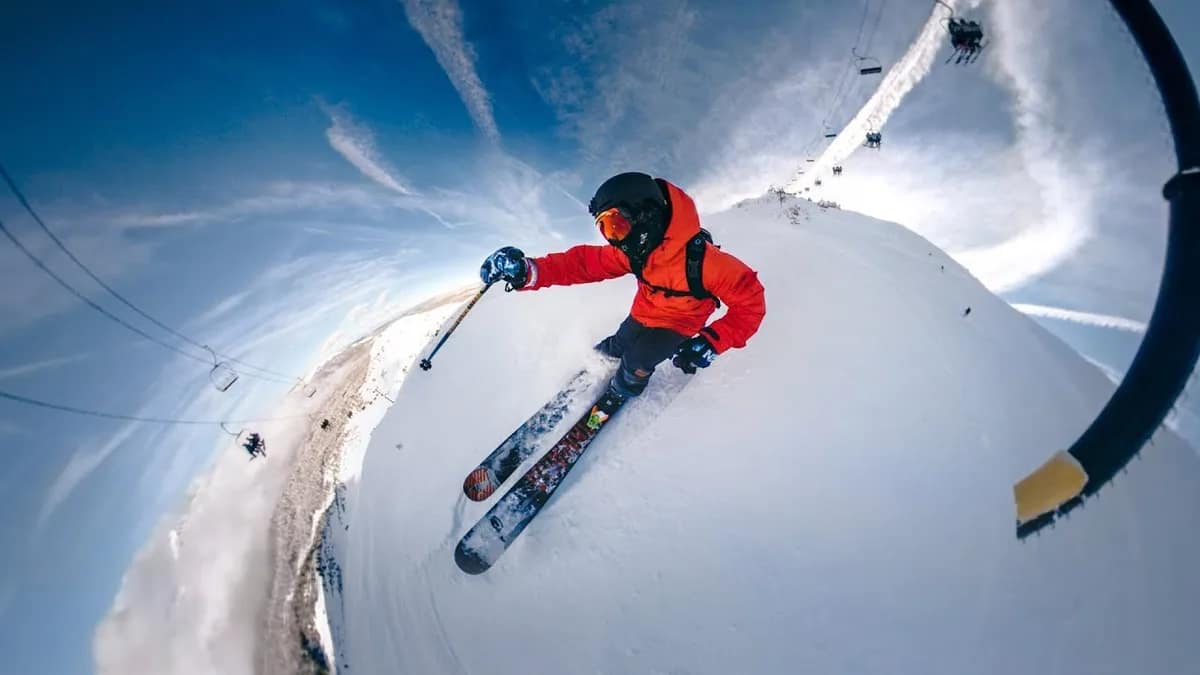 Action & 360 cameras
Best GoPro accessories for skiing: 2026-27 season guide
Helmet mount, chest harness, short pole, batteries and fog: what actually works for filming your runs this 2026-27 ski season.
4 min read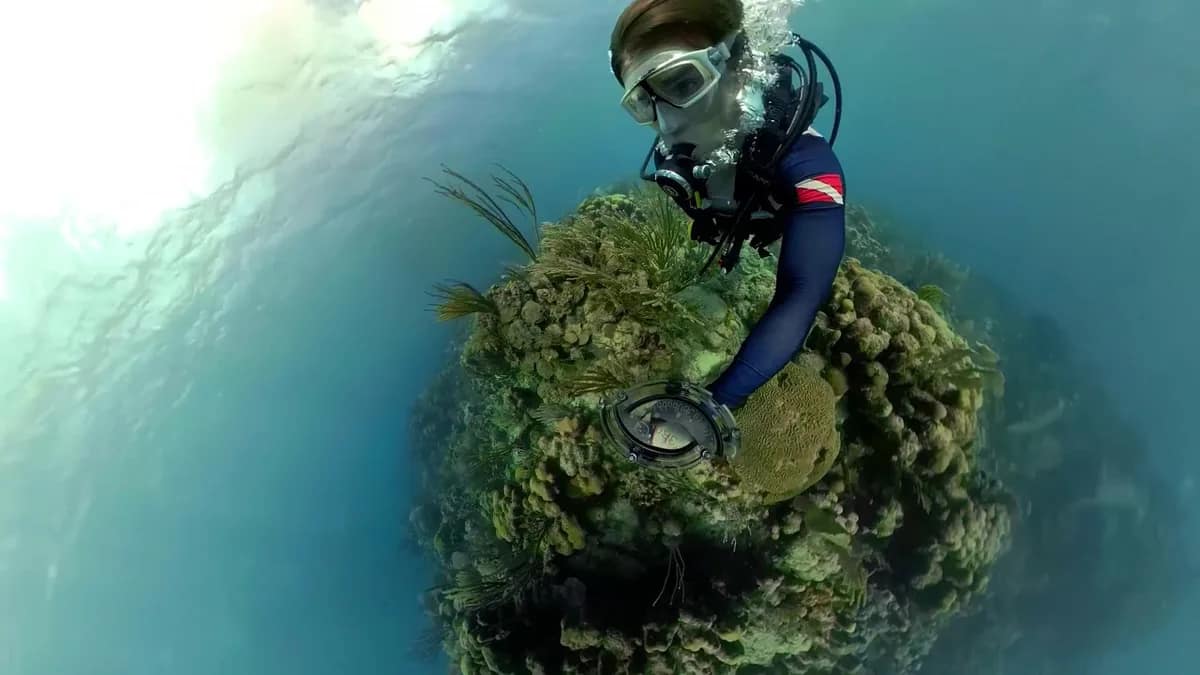 Action & 360 cameras
Filming underwater: complete guide with GoPro and waterproof housing
Filming underwater is one of the most spectacular uses of an action camera. Snorkeling in the coves, diving in the Mediterranean, […]
5 min read