
Events
Group photos at the wedding: the method that stays on schedule
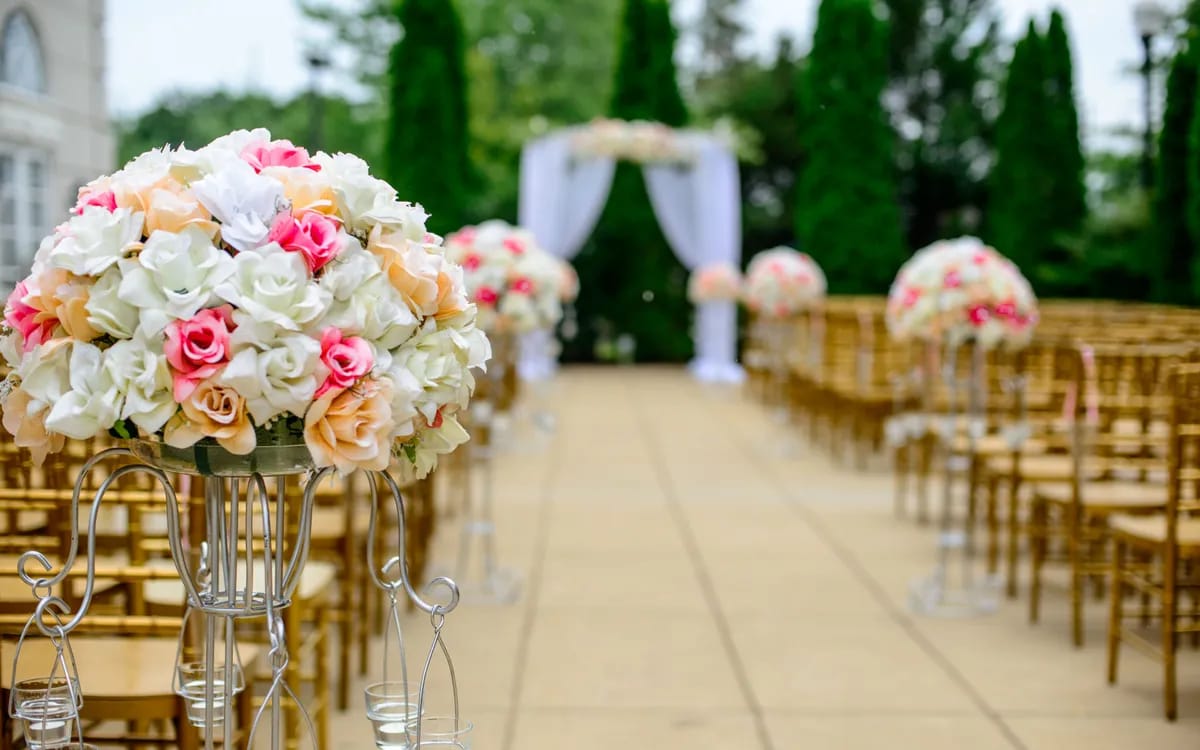
On a well-planned wedding day, there's almost always one moment that runs over: the group photos. What seems simple on paper—gathering a few dozen people in front of a camera—actually takes much longer than expected, often at the expense of the cocktail hour that follows. It's not just a question of the number of guests: even a modestly sized reception can see this aspect drag on if no one has thought about the logistics beforehand.
The good news is that a simple method, prepared before the big day, keeps the schedule without sacrificing a single combination of loved ones or turning this moment into a chore for the guests. It is something to settle well before the day, whether you book a wedding photography service or leave the pictures to a friend or relative.
Why this part of the day overruns most often
Each additional group adds time: gathering people, positioning them, checking that no one is missing, and then starting all over again for the next group. Without organization, these minutes quickly add up and eat into the time allotted for the cocktail hour or the couple's portraits. This is often the only time of day when guests are actively waiting, standing, which makes any delay very noticeable and quickly becomes a source of frustration. Unlike the speeches or the first dance, this moment doesn't depend solely on the couple: it depends on the coordination of dozens of people who may not even speak to each other before the day begins.
A list written in advance
The basis of the method is a written list, prepared in the days before the wedding rather than improvised on the spot. For each photo it says who must be there: close family, witnesses, childhood friends, colleagues, as precise combinations rather than broad, vague categories. It avoids forgetting a combination, or doing it twice for lack of coordination. Allow two to three minutes per group once people are gathered: with ten combinations, the session already takes twenty to thirty minutes, not counting moving around. Sharing the list with the witnesses beforehand also lets you fix omissions before the day, rather than discovering someone missing at the moment of the photo.
A relative who calls the groups
The photographer doesn't know the guests by their first names and wastes precious time searching for each person in the crowd. Designating a close friend, witness, or family member to call each group in the order of the list saves considerable time. This person acts as a liaison between the list and the crowd, knows the faces and family relationships, and saves the photographer from having to search for each participant himself. Choosing someone with a strong voice, capable of being heard above the hubbub of a cocktail party, greatly improves the speed at which each group gathers.
The order: from largest to smallest
Starting with the largest groups, such as extended family or a general photo with all the guests, before moving on to smaller groups, allows those who no longer need to stay to leave as the session progresses. The last groups, often the witnesses or immediate family, can then take a little longer without keeping everyone waiting. This descending order also limits the number of people waiting at the end of the session, when attention begins to wane.
The shady spot and the rain plan B
A shaded, open area close to the reception venue avoids unnecessary movement and squinting in the bright sunlight, which ruins many group photos. Having a covered area available in case of rain, identified in advance rather than scrambling to find one at the last minute, prevents having to improvise if the weather turns. Visiting the reception venue beforehand, at the time scheduled for group photos, helps you observe the sun's path and choose the best spot, rather than discovering it too late. This preliminary visit also allows you to verify that covered access actually exists nearby, rather than assuming it does without having seen it.
A realistic duration
It's better to announce a generous timeframe than to minimize it on the schedule to reassure everyone. A time slot that's too short leads to rushing the final combinations or cutting into the cocktail hour afterward. Conversely, a realistic time, communicated to guests in advance, is better received than an unexpected overrun discovered at the last minute. Allowing a few minutes of buffer time before the start of the session, rather than starting precisely on time, also absorbs the minor delays that are inevitable on this type of day.
The equipment checklist for a successful wedding also includes these kinds of organizational points, which should be prepared well in advance of the day. If a wedding video service is planned alongside the photography, the same list is used by both vendors, which avoids having to create it twice for the same event. The set of printed photos included with each service allows you to keep a physical record of these group photos; its size depends on the event and is confirmed in writing with your quote.
More in this section
 Events
Stage lighting: why the picture flickers
Rolling bands, pulsing brightness: this fault is not a camera fault. It comes from the way LED fixtures make their light.
5 min read Events
instax photo guest book: how it works
Setting up a photo guest book that works all evening: installation, instructions, reloading the film, managing duplicates, without improvising anything.
5 min read Events
Filming a speech without cutting the emotion
A speech is not filmed like a scene: it is endured. Where to stand, when not to move, and what a second angle really costs.
5 min read