
Events
Filming a speech without cutting the emotion
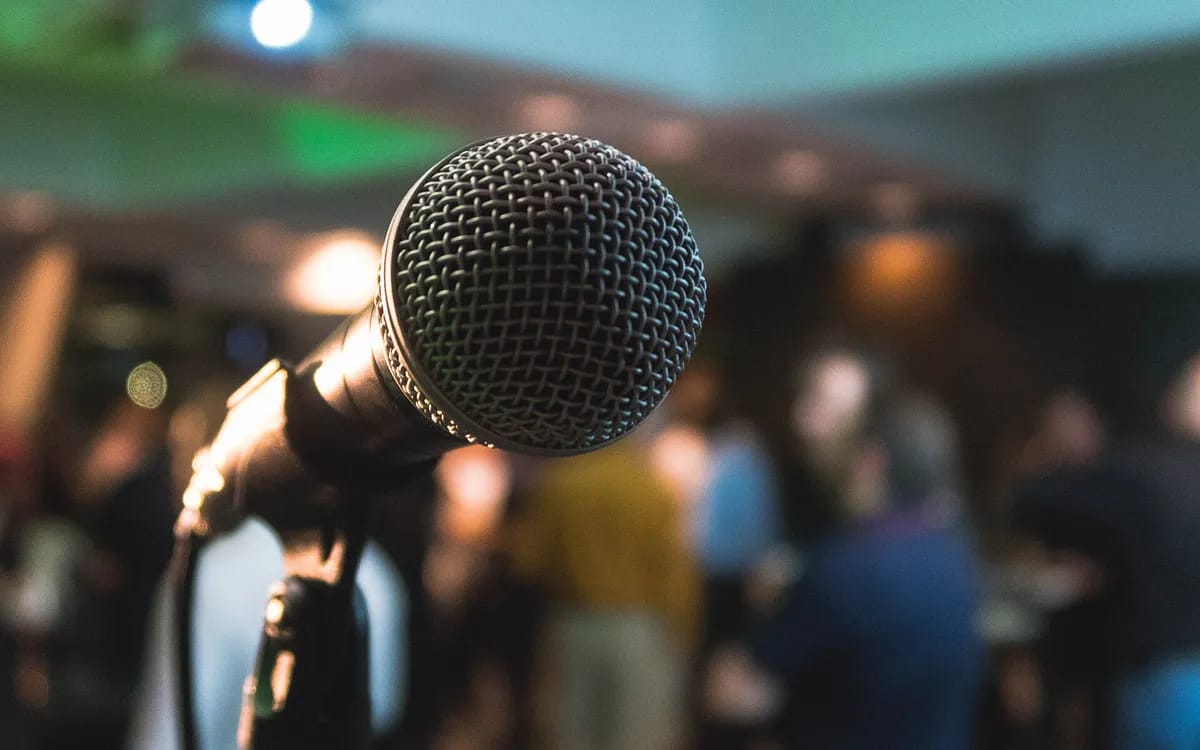
A speech lasts three minutes and has been three weeks in the making. Whoever is speaking has not rehearsed, their voice shakes, they look at their notes. This is not a performance to be showcased: it is a fragile moment, to be recorded without leaning on it. The whole craft is in being forgotten.
What is at stake in three minutes
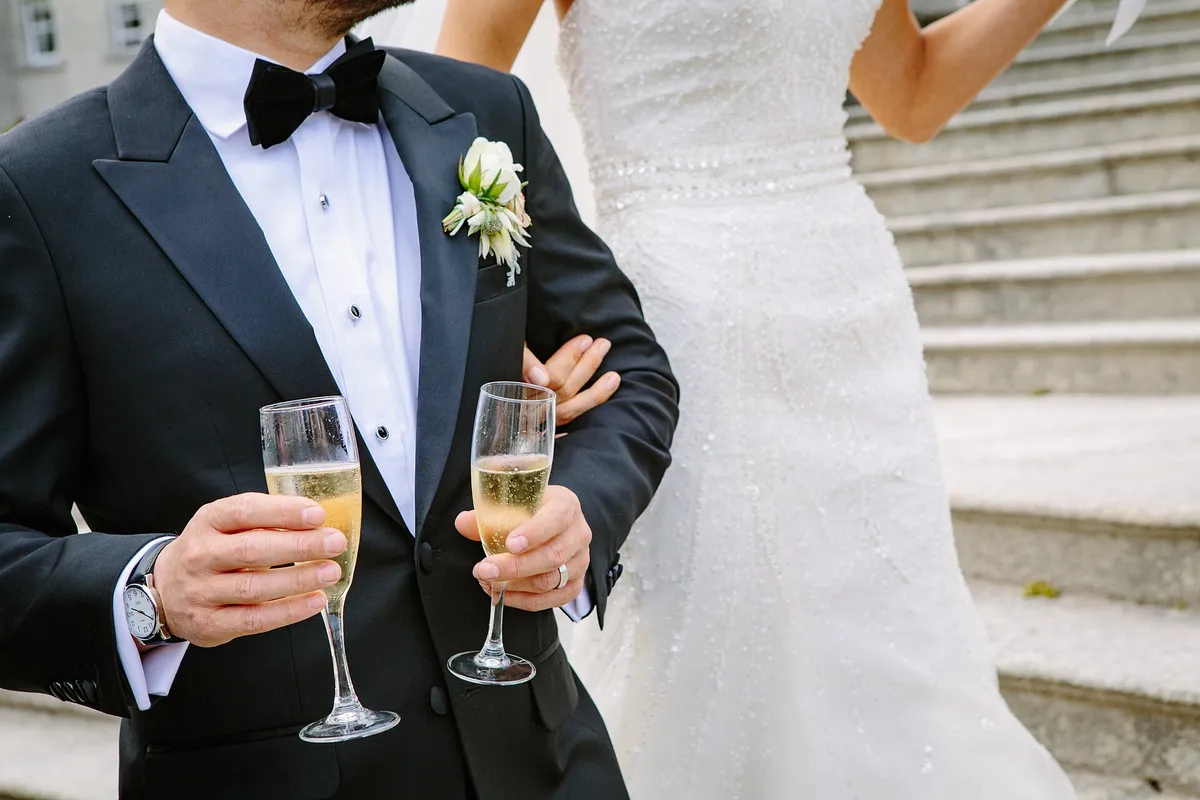
A speech that works on screen is not a perfect frame: it is a whole sentence, with the silence before it and the laughter after. Cutting three seconds before the punchline of an anecdote ruins the sequence more surely than a lopsided frame. So the first reflex is to record wider than the speech itself: I start when the person stands up and stop once they have sat back down.
Where to stand, and not move from it
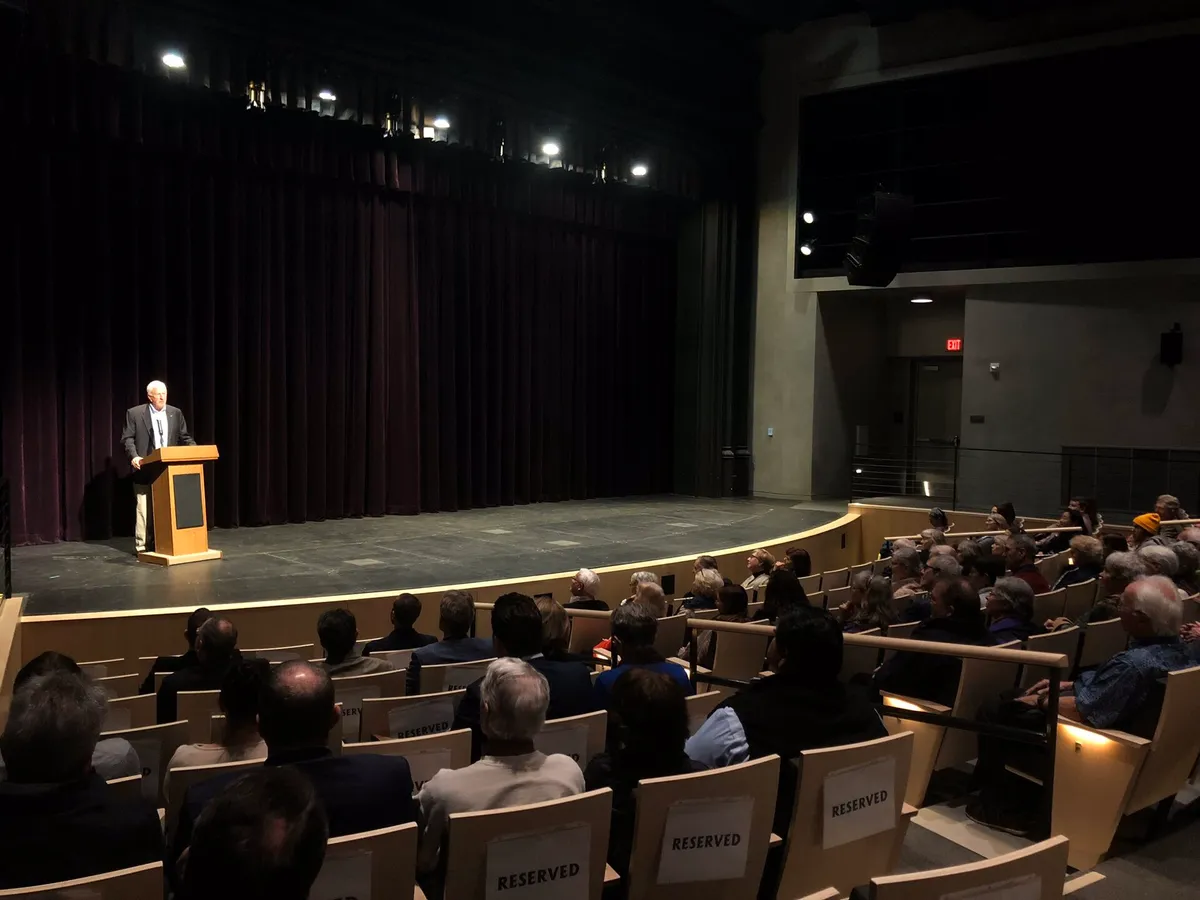
The right spot is chosen beforehand, while the room is empty. It answers three constraints: seeing the face without backlight, staying out of the photographer’s frame, and being able to stand there without blocking the service. In a room where the speaker talks from a lectern, that point is almost always slightly off the centre line — dead on axis you get a lectern, a microphone and a chin.
Once found, you do not move from it. Walking about during a speech pulls every eye in the room onto the camera, and the speaker feels it. That is the difference between a memory and a news report: the report moves around, the memory waits.
Sound decides, picture follows
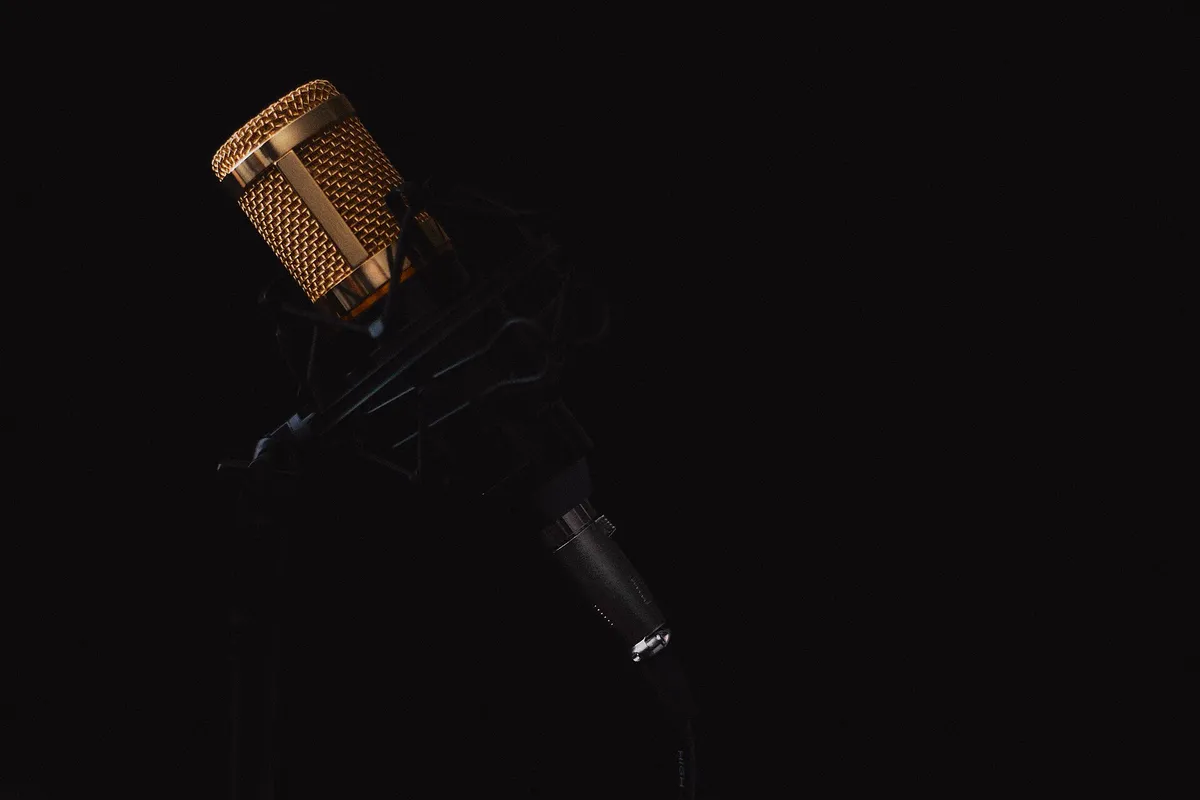
An average picture with clean sound passes easily. A pretty shot over a voice drowned in chatter is never watched twice. The hierarchy is therefore clear, and it decides everything else: you plug into the PA when there is one, you place a recorder near the source when there is not, and you keep the camera’s own sound as a safety net — never as the main take.
The rest of the sound problem does not depend on the camera: frequency band, connection point and feedback are handled with whoever runs the PA, and the speech microphone covers that part. Only one rule comes from the picture side: ask for the mic to stay open through the applause. A speech cut dead on the last syllable always rings false in the edit.
The second angle: what it really costs
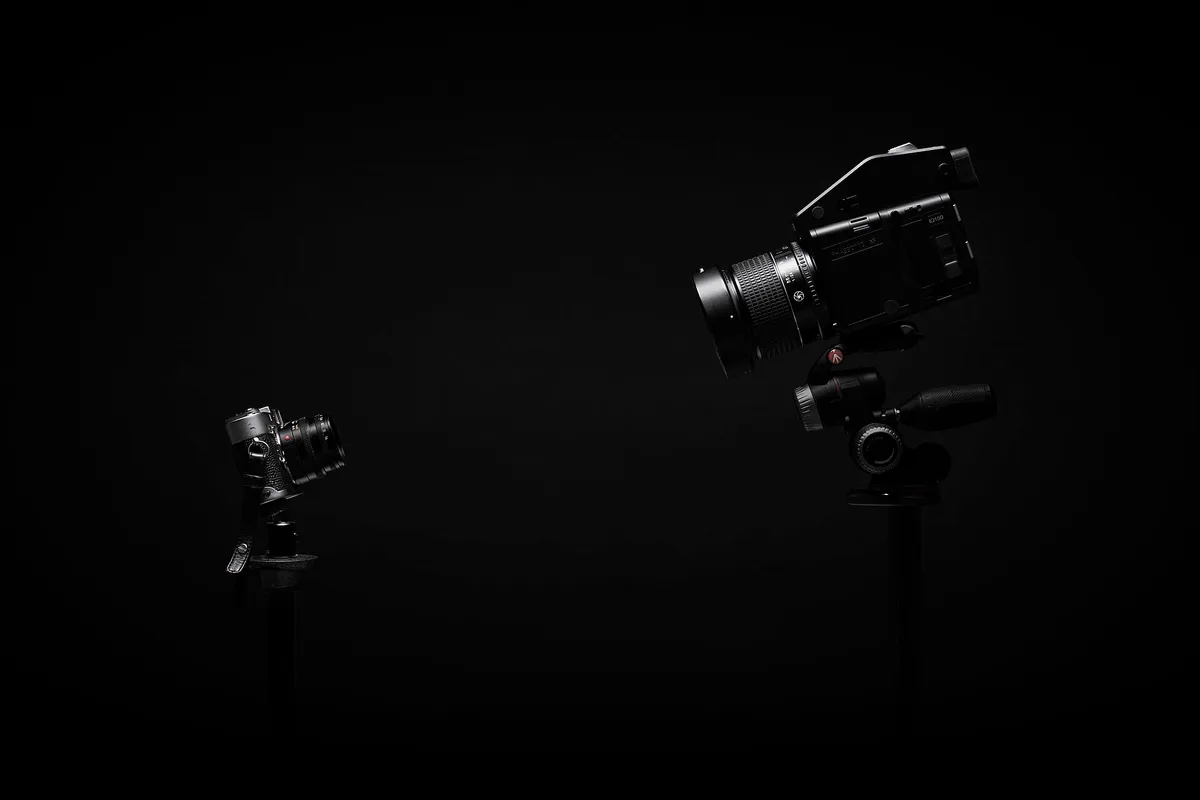
Two angles make a speech far easier to edit: you cut to the second one to remove a hesitation, a coughing fit, one sentence too many. But a second angle is not a second operator: it is a camera on a stand, set once, left running. Nobody attends to it during, and that is precisely why it works.
The cost lies elsewhere. Two cameras mean two clocks to realign in the edit, two sound levels, two white balances, and one more stand planted in a full room — so one more place for somebody to trip. In a small room that second stand sometimes gets in the way more than it earns. It is a judgement to make venue by venue, not a rule.
The reactions are worth as much as the speech
What families watch years later is not only the person speaking: it is the face of the person being spoken to. A reaction shot caught at the right moment is worth three shots of the speaker. But you have to know where to look — and there the running order is not enough: you need to know beforehand who the speech is addressed to.
What you do not film
A speech sometimes goes off the rails: someone breaks down, a remark lands badly, a child starts crying in the front row. The camera does not have to retreat — it has to not close in. You stay on the frame you had, you do not go hunting for a close-up of the tears, and you leave the edit to decide later. A shot you never took never turns up in a film by accident; a shot you took can.
There is also what you warn people about. Telling the speaker beforehand that they will be filmed costs nothing and changes a lot: people who are told speak better than people who discover the lens halfway through their first sentence. And if someone would rather not be filmed, you know before, not after.
The conduct, in five points
- Start recording a minute early, and stop only after the applause.
- Lock exposure, focus and white balance before the first word.
- Do not zoom. A slightly wide frame you can crop in the edit beats a move you cannot undo.
- Spot beforehand who is listening, so you can find the right reaction without hesitating.
- Keep a backup sound take running for the whole sequence, even a poor one.
None of this calls for exceptional gear — a camera’s sound and its external mic already shows where the real limits are, and the audiovisual gear checklist covers the rest. What it does call for is knowing in advance who speaks, to whom, and when.
If you would rather someone handled it while you listen, tell me in the service form how many people will speak and whether the room has a PA. Those two lines are enough to know whether a second camera makes sense at your venue, or would only clutter it.
More in this section
 Events
A party’s running order, seen by the camera
Read by an organiser, a running order gives times. Read by a camera, it gives a shot list — including five minutes that are never played twice.
5 min read Events
An opening, an open day
A place that fills then empties in three hours, a ribbon cut in thirty seconds, and the shot you absolutely must have before the public arrives.
5 min read Events
Wedding photos: the moments not to miss
From waking up to the first slow dance, here are the moments of a wedding that count in photos, with the classic pitfalls of each and how to anticipate them.
4 min read