
Services
Why the lead time of an immersive tour is not promised
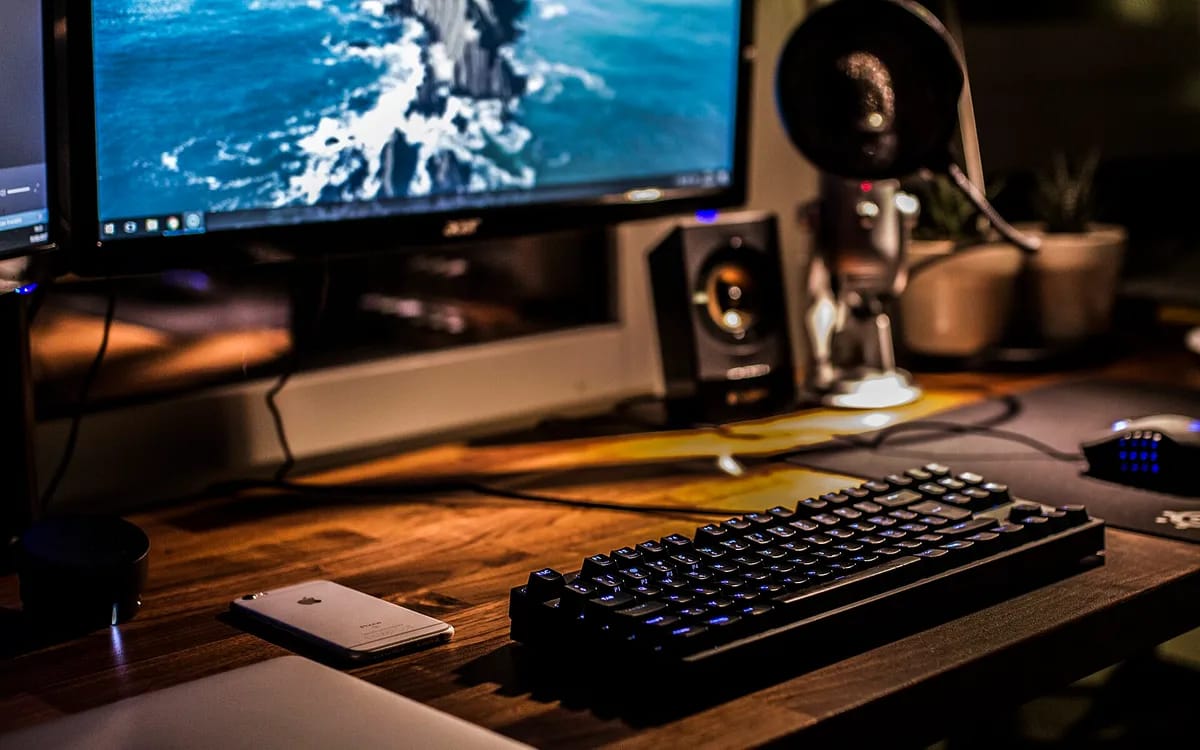
“When will it be ready?” almost always comes before I have seen the place. I understand the question — a listing is waiting, a marketing push is starting — but I do not answer it on the phone. I answer it with the quote, once the property has been described or visited: first with a range, then with a firm date as soon as I know what I am delivering. What follows explains what sits between the two, because a lead time you do not understand always looks like reluctance.
The shoot is the short part, and the only predictable one
An ordinary home is captured in a short morning, preparation included. It is the only stage whose duration I can announce in advance, because it depends on a number I know: the number of viewpoints. Everything that comes after depends on what was in the place, and neither you nor I know that until the files are opened. It is exactly the opposite of most people’s intuition, who picture a long shoot and instant “computer work”.
There is one exception, and it deserves saying: an occupied place lengthens the shoot, not the processing. An open shop, a lived-in house, offices in use mean waiting, going back into a room, redoing a station. That is time spent on site, it can be estimated in advance, and it changes nothing about what follows.
What comes back from the shoot
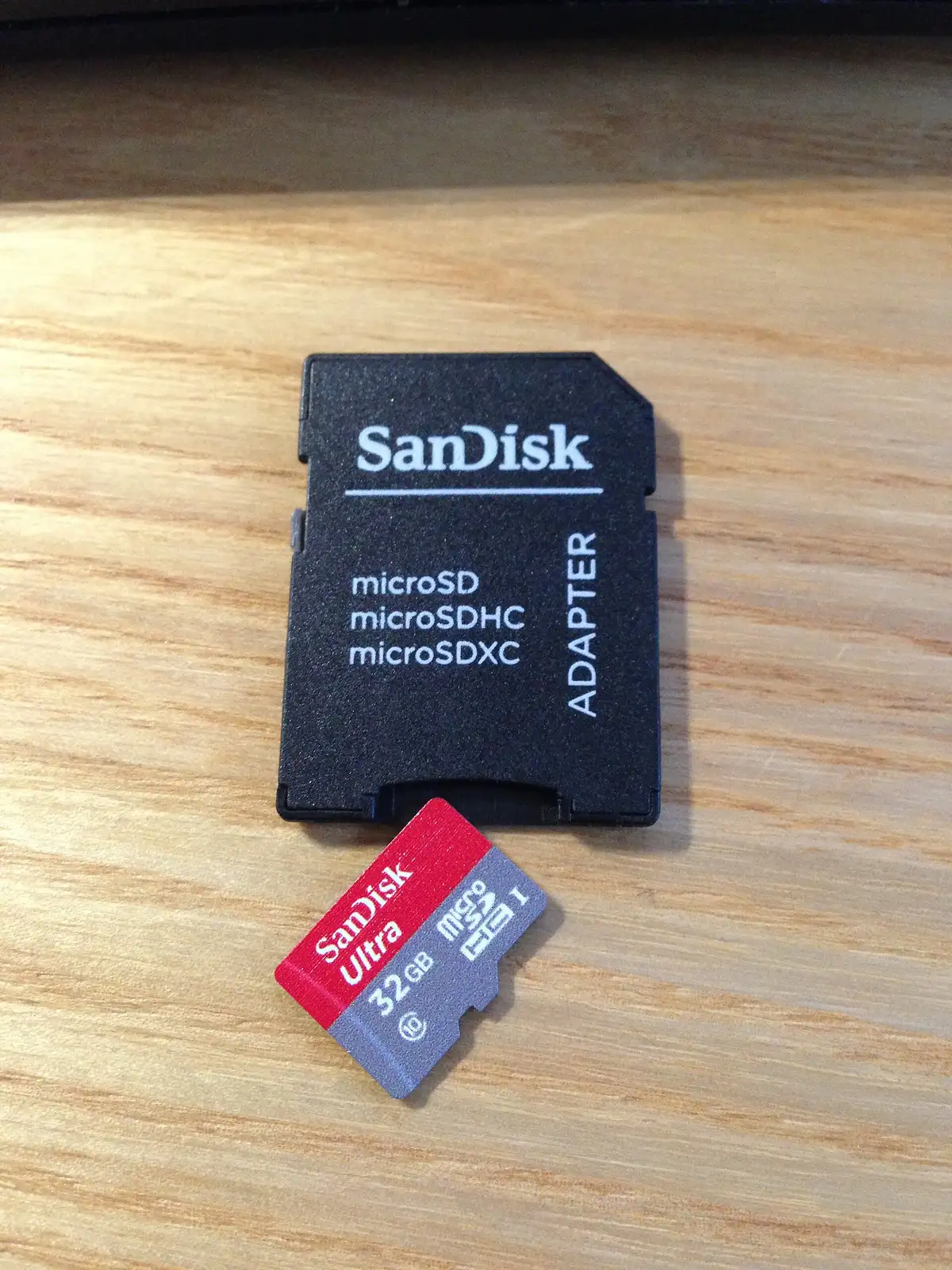
A station is not a photo. It is a set of images taken simultaneously by two lenses, often repeated at several exposures so the window and the back of the room hold in the same view. A fifteen-station tour therefore comes back with dozens of files, often more, in a raw format nothing reads as is. Cards are not emptied into a “sort later” folder: they are offloaded the same evening, named, filed by room, and checked one by one against the station list drawn on the plan that morning.
Copy, check, back up — before anything else

A place is visited once. An unreadable card, a drive that fails, a folder overwritten by mistake: in every case the only repair is to come back, and coming back assumes the place is still free, still empty, still tidy. So there are two copies on two separate media before a single station is stitched, and the cards are not wiped until both copies have been read back. This stage visibly advances nothing and is never skipped. It is also why I promise nothing on the day of the shoot: until the backup is confirmed, there is no deliverable yet, there is a risk.
Stitching: the machine works alone, until it stalls
Stitching two hemispheres into a sphere means finding common points along the line where the two images overlap. In a furnished room it is easy: there are corners, patterns, objects. On a white wall, a plain floor, a dark corridor or perfectly repetitive tiling, the software has nothing left to hold on to and the seam drifts — a skirting board that breaks, a door that doubles. The station is then reworked by hand, one at a time, and that is where the lead time opens up. A tour may go through in one night of computation, or need two days of fixes because the flat was empty and repainted white — which is, precisely, the most common case before a sale.
The review, and the station that has to be redone

Only then does the tour exist and can be walked. I go through it like a visitor: every jump, every arrow, every step back. That is when you find the forgotten landing, the station placed too close to a wall, the reflection showing me in a living-room pane. Most of these flaws are fixed at the keyboard; one or two sometimes require going back on site. Those are the ones that really move a date, and they only become visible at this stage — never before, because before, there is no route to walk.
What I state instead of a date
Three things. A range first, confirmed in writing with the quote and worked out from the number of stations and from what I saw of the place — a furnished home and an empty floor do not sit in the same bracket. Then a firm commitment, given as soon as stitching is done, that is, the moment I finally know what I am delivering. And a warning if it slips, sent the day I see it rather than the day before the deadline. It is less pleasant than a date thrown out on the phone, and it is the only one that holds. A date promised before the files are opened is not a commitment, it is a bet placed with your calendar.
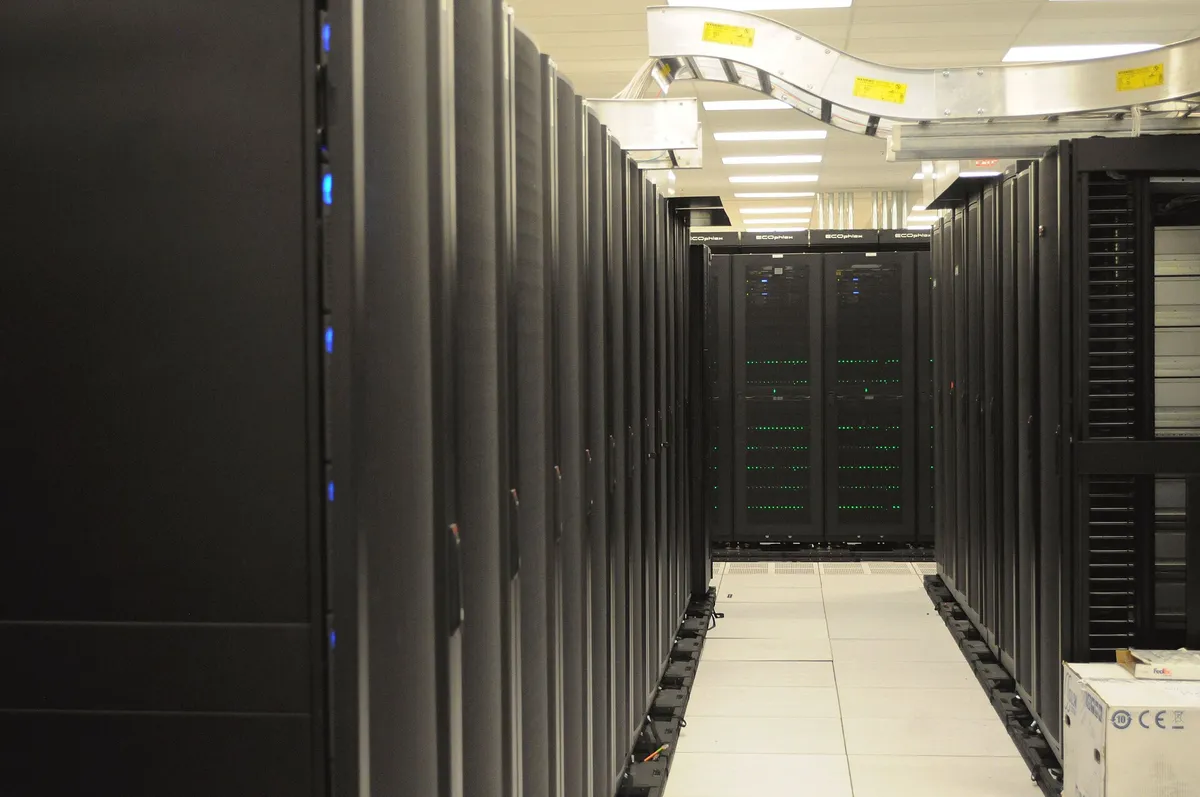
On the machine needed behind all this, editing a 360 video gives the orders of magnitude without detour, and free editing software says where it stops. If you are shooting yourself, which memory card capacity avoids the mistake that brings back an incomplete tour. And if you want a written range rather than a date thrown out on the phone, describe the property — furnished or empty, number of rooms, publication deadline — in a property service request: it goes out with the quote.
More in this section
 Services
Free photo prints with a service: the principle
Wedding, birthday, christening, seminar or party: every service includes a free set of paper prints. Here is how it works.
4 min read Services
A shop, a hotel room, a function room
Showing a place rented by the hour or by the night has almost nothing to do with showing a home for sale. The visitor is not looking for the same thing.
5 min read Services
Preparing a home before an immersive shoot
What happens in the hour before I arrive decides half the result. Here is what goes out, what gets switched on, and what cannot be fixed afterwards.
5 min read