
Services
Preparing a home before an immersive shoot
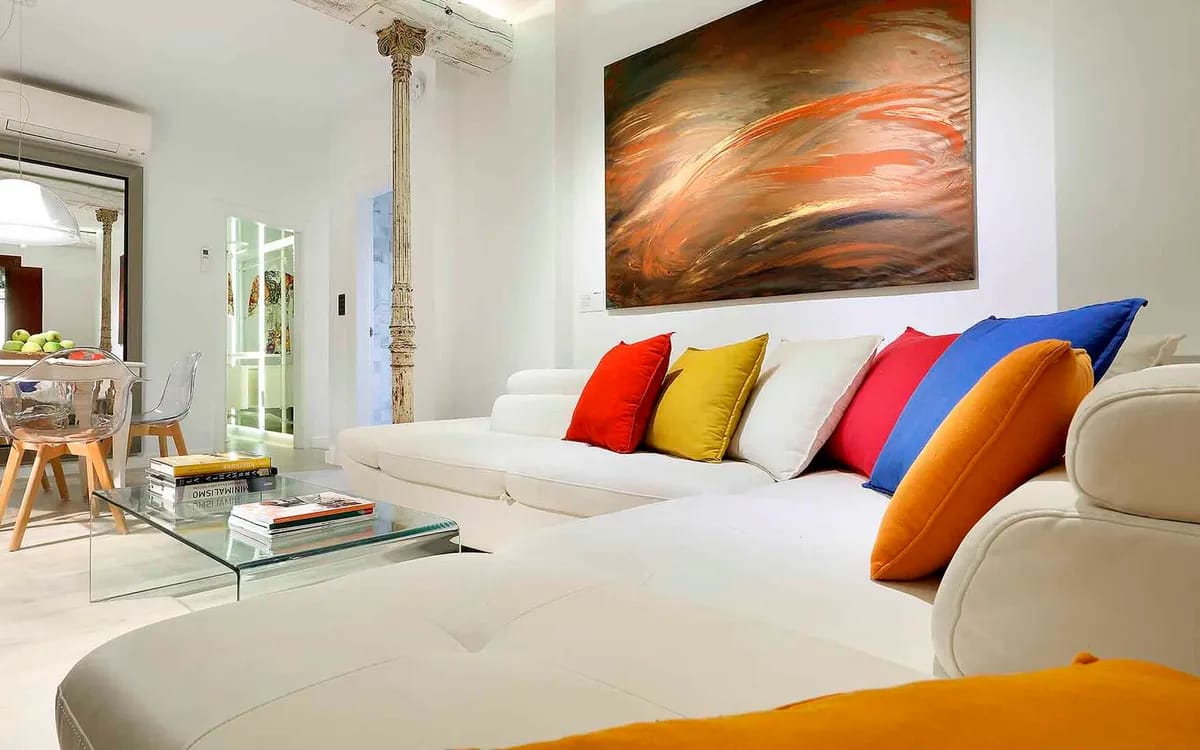
An immersive shoot is unforgiving: everything is in frame, all the time. There is no off-camera space to drop the bag, the bin or the moving box — the camera sees behind itself as well as in front. Which means half the result is decided before I arrive, and that half is not mine. What follows is what I ask for, in the order it gets done.
Decluttering means removing, not tidying
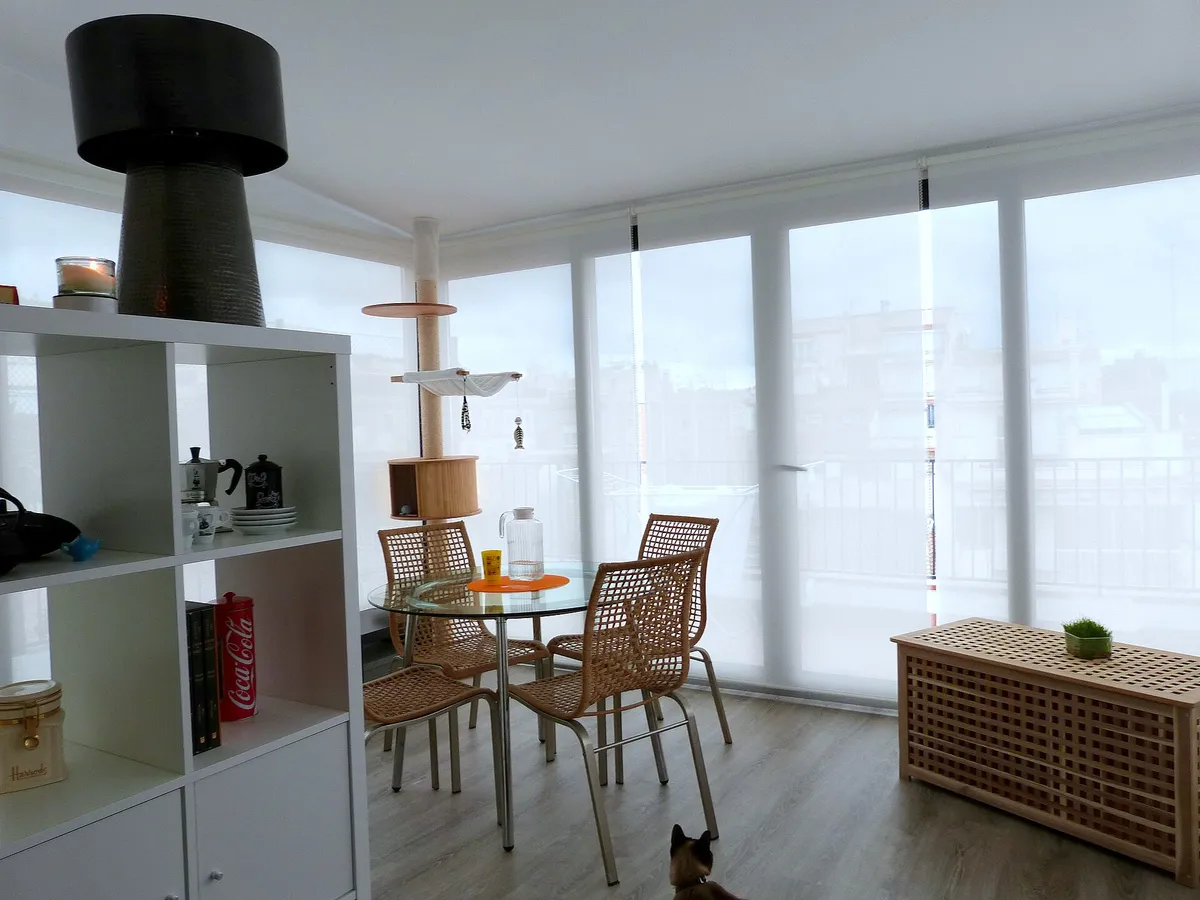
Tidying moves objects; removing makes them disappear. An immersive tour makes the first gesture pointless, because a neatly aligned pile is still a pile. What leaves the room leaves the home, or goes into a room we will not capture — a garage, a cellar, a car boot. The rule I give fits in one line: on every horizontal surface, keep three objects at most.
- Anything carrying a name: post, prescriptions, family photos, school reports, work passes.
- Toiletries, used towels, the litter tray, the food bowl, the dog basket.
- Cables: chargers, extension leads, wires crossing a room. A cable is the first thing you notice in an otherwise clean image.
- Surplus furniture. A room breathes better with one armchair fewer, and 360 exaggerates clutter more than it exaggerates space.
Switch everything on, open everything
Every lamp on, even in broad daylight, and shutters wide open: that is the only way to avoid black corners in a shot that takes in the whole room. Curtains pull fully to one side, not halfway. Interior doors open, cupboard doors close. And if a bulb has blown, it gets replaced before, not after — one dead lamp in the middle of a tour is noticed at every station.
A detail nobody anticipates: household lamps do not give the same colour as the daylight coming through the window. In a single shot you end up with half a room yellow and half blue, and no setting rescues both at once. It hardly matters if the bulbs are recent and all of the same family; it starts to matter when one room mixes a very warm bulb, a white ceiling fitting and a kitchen tube. If you need to change a bulb before I come, take the same as the others, not the cheapest on the shelf.
Mirrors: the one thing I cannot work around
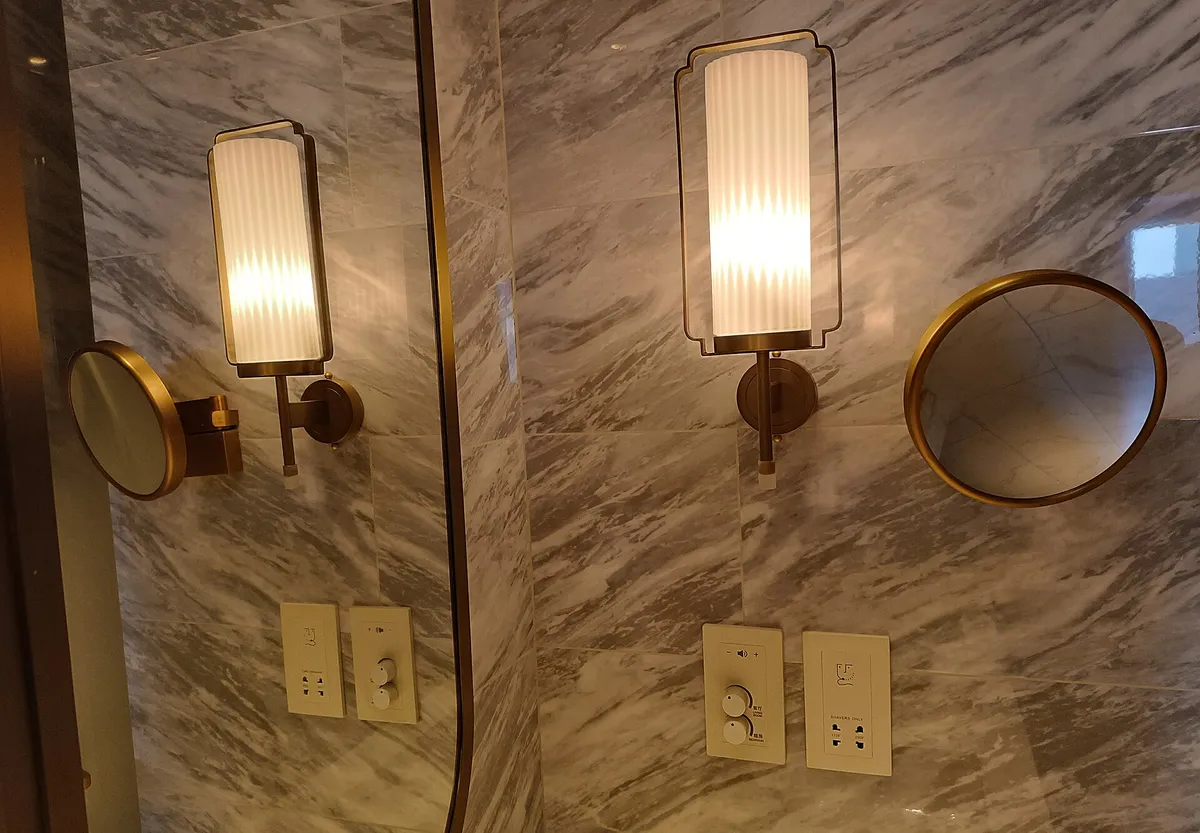
In a 360-degree shot the operator is erased — the stand vanishes under the image and a slim pole comes out cleanly. But a mirror gives me back. A bathroom fully tiled in glass, a wardrobe with reflective doors, a dark window at night: there is no position where I am not somewhere. So we do one of three things — I stand behind a door leaf, we close the wardrobe, or I accept appearing small in a corner. Plan for it: it is a question to settle as soon as I arrive.
Kitchen and bathroom are seen very close up
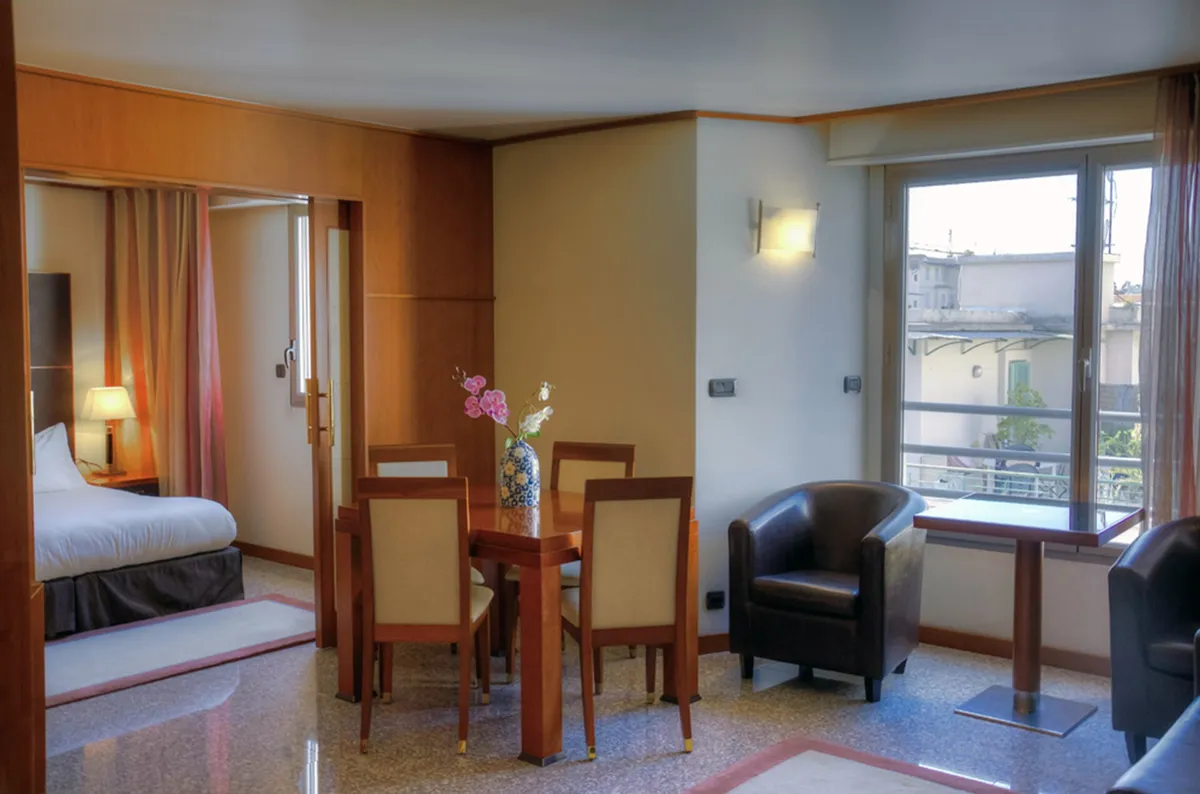
These are the two rooms visitors zoom into, because they are the two they do not want to redo. Empty worktops, dry sinks, no tea towel hanging, no sponge, no product on the ledge. The bin leaves the room, so does the drying rack. Tiling is seen from thirty centimetres in an immersive tour: a blackened joint you stopped noticing six months ago becomes visible again all at once.
Outside counts just as much, and it is systematically forgotten. A balcony serves as storage all year: bike, drying rack, bags of compost, stacked chairs. A terrace deserves its furniture out and wiped down, a garden a mow the day before. Cellar and garage are not tidied — we simply decide whether to capture them or not, and both answers hold up as long as they are owned. A tour that skips a house’s garage, however, always suggests there was something to hide.
People, pets, and the closed door
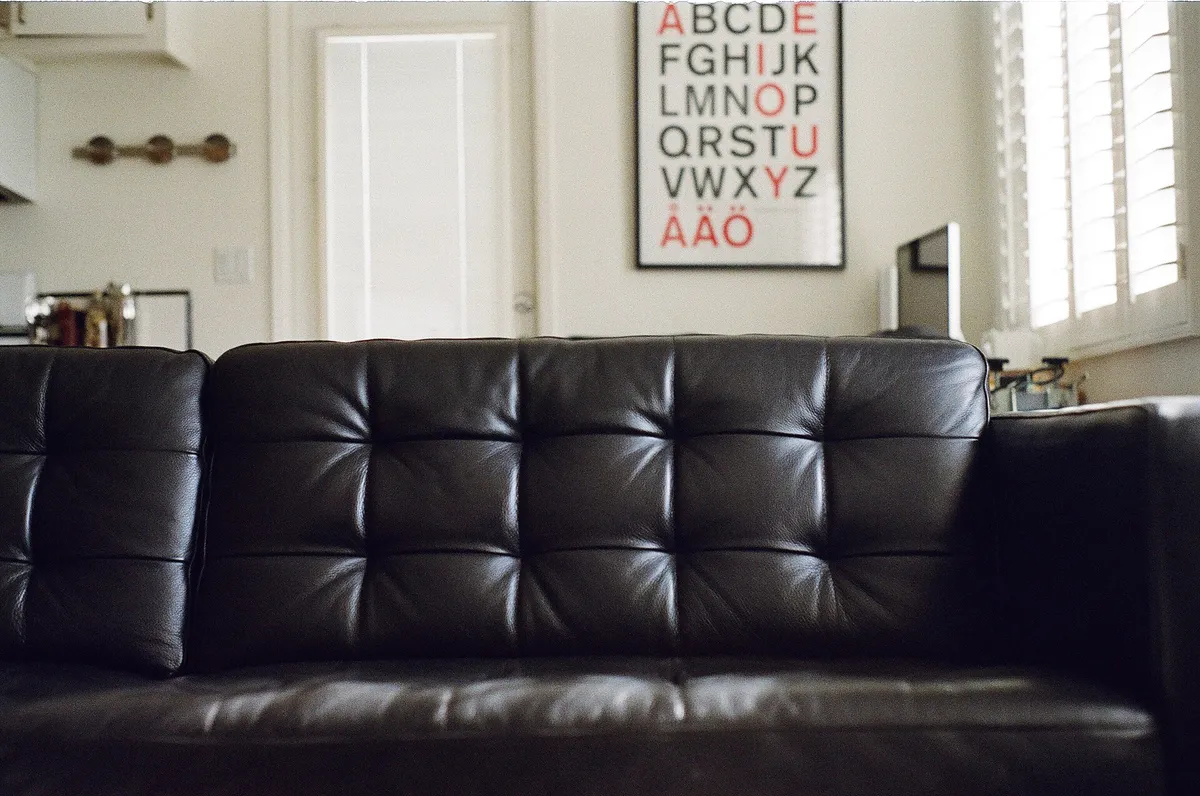
Nobody stays in the room during the shot, you included: at 360 degrees there is no corner to wait in. We work room by room, and the previous one closes behind us. Pets go into an already captured room or out with someone — a cat crossing a panorama during stitching leaves a blurred smear that cannot be fixed. And if someone still lives in the home, it has to be clear to everyone: what is visible will be published, and a teenager’s bedroom stays shut if its occupant asks.
The half hour before I arrive is the most profitable of the whole job. One last walk through the home, room after room, asking at every door: what would I not want to see online tomorrow? Whatever answers that question goes out, and the rest is ready. That half hour cannot be recovered in editing or later: a forgotten object does not disappear cleanly from a 360-degree image, and a second pass means a second visit.
If you are doing the shoot yourself, the invisible selfie stick is the first reflex to acquire, and filming in low light explains why I insist so much on lamps. The practical how-to is in renting a 360 camera in Lyon. Otherwise, describe the home, the number of rooms and who still lives there in a property service request: I send back a preparation list tailored to your place before coming.
More in this section
 Services
What an immersive tour does not show
A 360-degree tour shows everything that can be photographed. The rest — noise, neighbours, common areas, real volumes — stays outside, and it is better said up front.
5 min read Services
360 or a classic camera to film a place
A 360 records everything and chooses nothing. A classic camera chooses and leaves the rest outside. The right tool depends on what the viewer must be able to do.
2 min read Services
Sound and light for an evening, with my partner
I do not rent out any PA system and I do not rig lights. For that I work with VLK Events in Lyon — and you deal with one person only: me.
2 min read