
Services
A shop, a hotel room, a function room
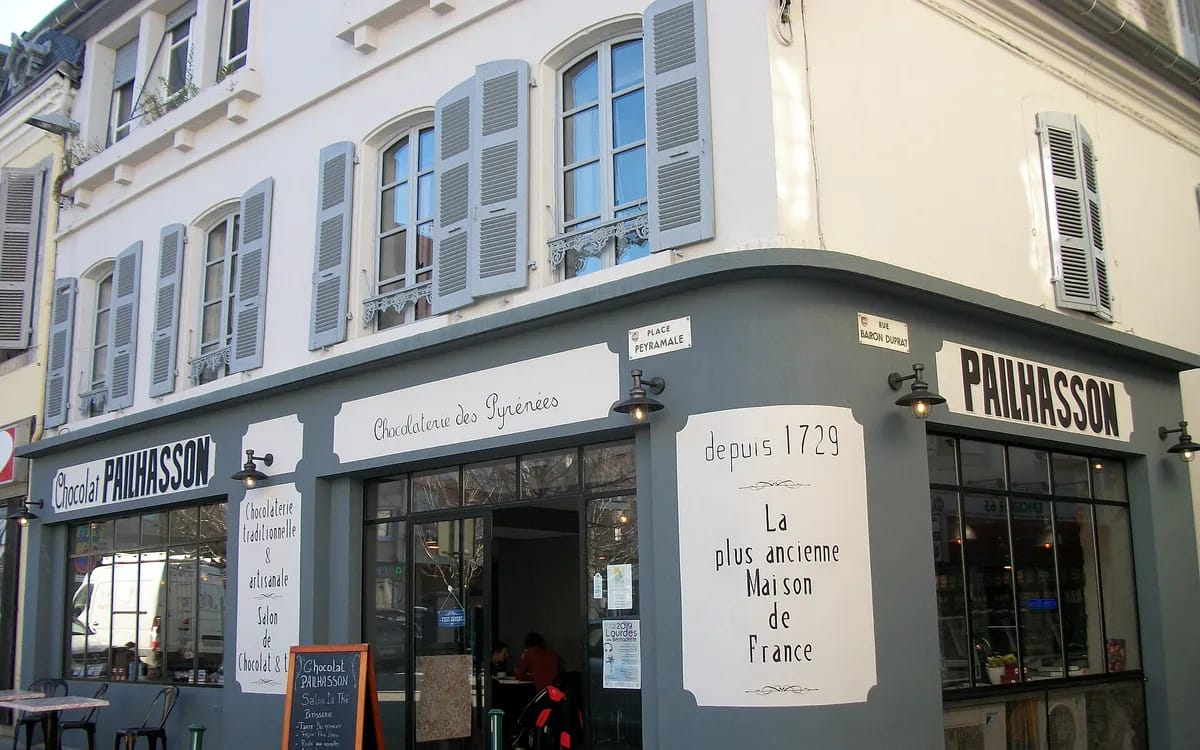
Almost everything written about immersive tours talks about flats for sale. Yet many of the places to be shown are not for sale: they are rented by the hour, by the day or by the night. A function room, a hotel room, a shop, an office floor. The gear is the same, the method changes, because the visitor is not asking “would I live here” but “does what I have to do fit in there”.
A hotel room is a product, not a home
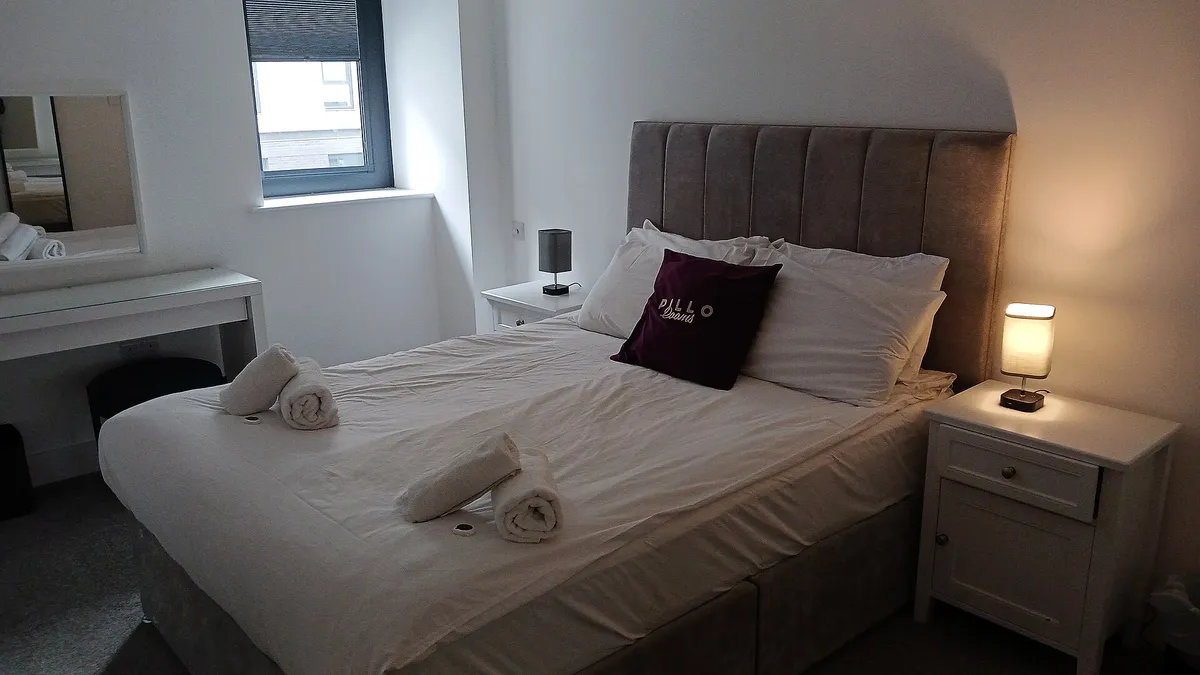
A hotel does not sell a room, it sells a category. What the tour has to establish is that the standard room really looks like what is shown — hence the rule I apply: we capture the most ordinary room in the category, not the finest. An immersive tour of the suite when you book a double is a promise that will not be kept, and the gap is paid for in reviews. The rest is classic hotel staging: bed made as housekeeping does it, curtains open, bedside lamps on, bathroom with no personal effects. And always a station in the bathroom: it is the first thing a traveller wants to see, and often the only one missing.
A venue is judged empty, and that is counter-intuitive
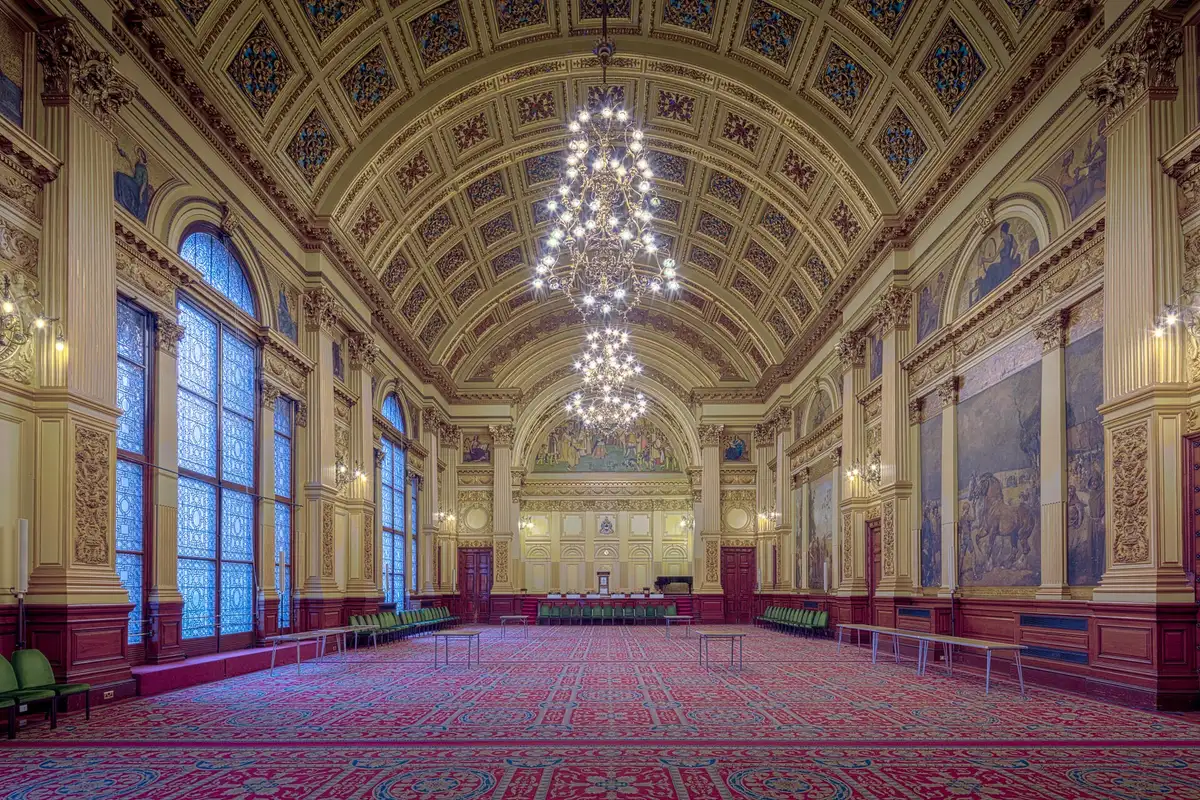
A venue owner’s first reflex is to show a successful evening: tables laid, lights dimmed, people everywhere. It is a fine picture, and the wrong one for an immersive tour. Someone looking for a venue wants to fit THEIR event into it, not admire somebody else’s — and they need to count. How many round tables fit, where the sockets are, where the caterer goes through, where the service door is, what the height is above the dance floor. An empty room answers all of that; a decorated room answers one question, and it is someone else’s. So I capture the bare room, and I may keep one decorated station at the end, as an illustration rather than as the tour.
A shop is full, and that is the point
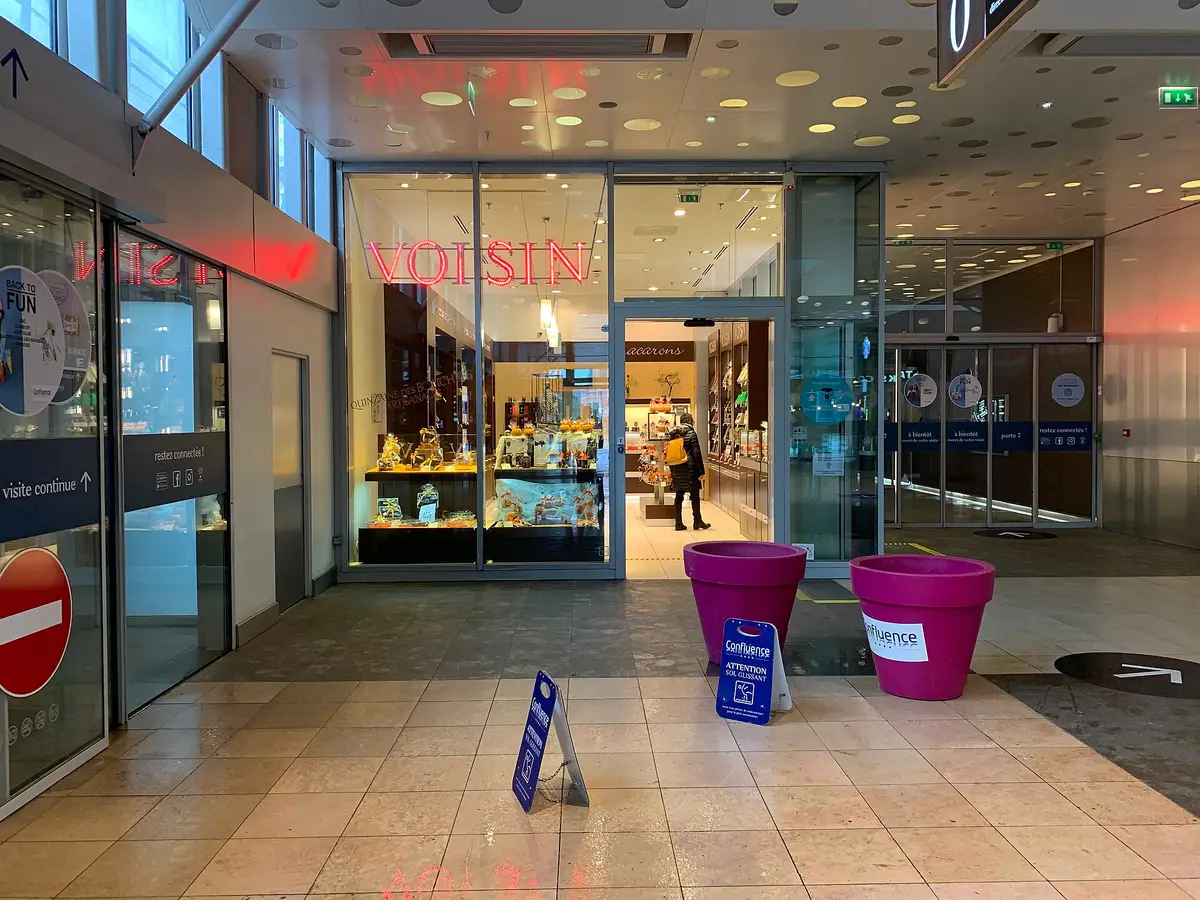
Exactly the opposite of the venue. An empty shop is not reassuring, it is dead: the stock, the display, the lit sign, that is the business itself. Here the immersive tour serves something other than renting — it makes people want to push the door, shows that you are accessible, reassures someone who does not know the area. Two stations are often enough: one in front of the window, one in the middle of the sales floor. The real subject becomes footfall. We shoot at opening or closing time, nobody in frame, or else we warn, we put up a notice, and we own it — but that is the next section.
Offices: you show a capacity, not a decoration
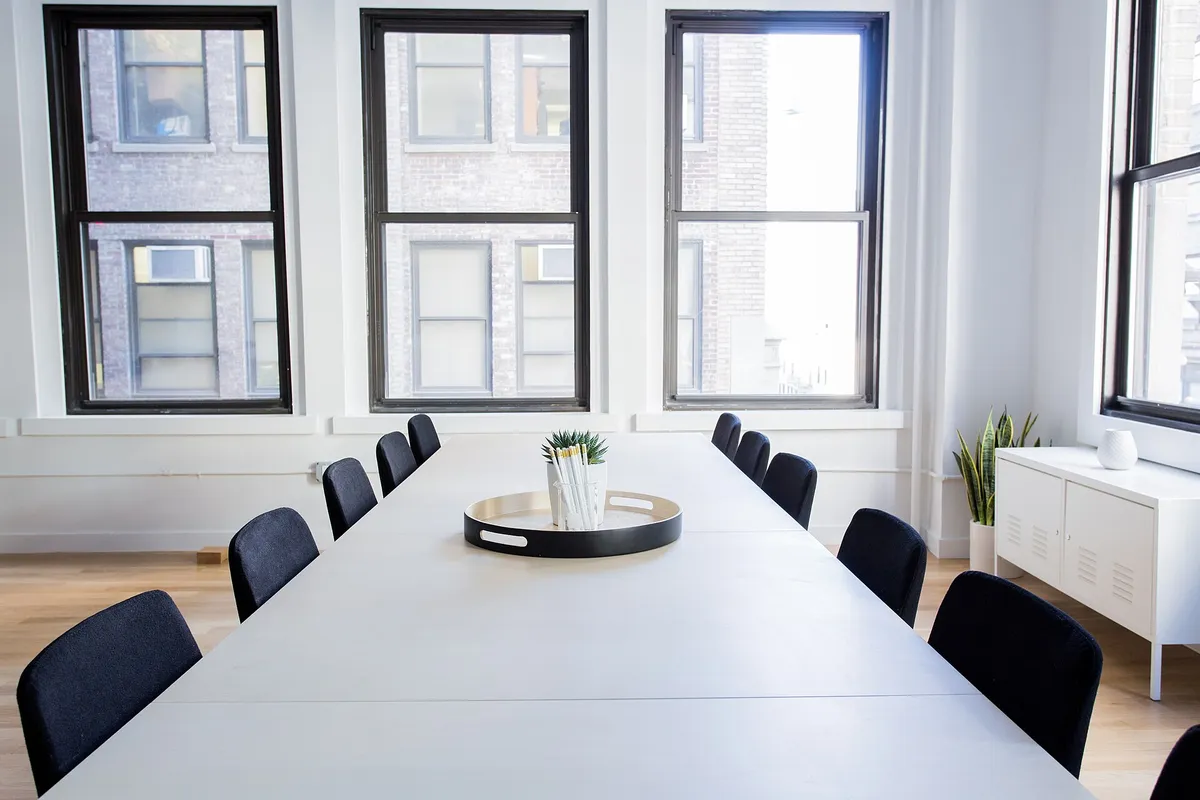
For an office floor, a meeting room or a shared space, the visitor’s question is an accounting one: how many desks, what connectivity, what access, what natural light at what hour. An immersive tour answers the first very well and the others very badly, so we back it up. Two or three annotations placed inside the tour — the floor area, the number of seats, the storey — are worth more than one extra station. This is the case where a short classic video added to the deliverable helps most: 360 shows the volume, video shows the walk from the lift, and nobody confuses the two.
What changes in the way I work
Three things, and they are all settled beforehand. Hours first: a place open to the public is captured outside service, early in the morning or after closing, otherwise you are filming customers. People next — staff, customers, passers-by behind a window: in a shop, you have to warn the team, post a notice at the door, and agree on what happens to the faces that cross anyway. It is simpler than it sounds, but it is decided beforehand, not in front of the camera. Brands last: a sign, a poster, an artwork on the wall belong to someone, and a commercial place is full of them. In most cases it raises no issue; in a museum, a gallery or a licensed showroom, it gets checked.
What these four places have in common is that their use is written down somewhere: a booking sheet, a lease, a sales brochure. That document is what the tour has to serve, not the other way round. So when a professional venue is handed to me, I ask to read it before coming: it states what is promised to the client, and therefore what the tour has to make verifiable. A room advertised for a hundred and twenty seated guests must look like a hundred-and-twenty-seat room; if the image does not show it, the image is not what needs retouching — the number and placing of the stations is what needs revisiting.
To film your own premises, filming your shop in Lyon gives the short method, and 360 camera or action camera helps pick the tool according to what the viewer must be able to do. On the corporate side, audiovisual gear for a company event covers event capture. And if you would rather we came and handled it, describe the place, its opening hours and what the visitor has to be able to count in a service request for a professional venue.
More in this section
 Services
Free photo prints with a service: the principle
Wedding, birthday, christening, seminar or party: every service includes a free set of paper prints. Here is how it works.
4 min read Services
Preparing a home before an immersive shoot
What happens in the hour before I arrive decides half the result. Here is what goes out, what gets switched on, and what cannot be fixed afterwards.
5 min read Services
What an immersive tour does not show
A 360-degree tour shows everything that can be photographed. The rest — noise, neighbours, common areas, real volumes — stays outside, and it is better said up front.
5 min read