
Services
One long film and three short ones, the same shoot
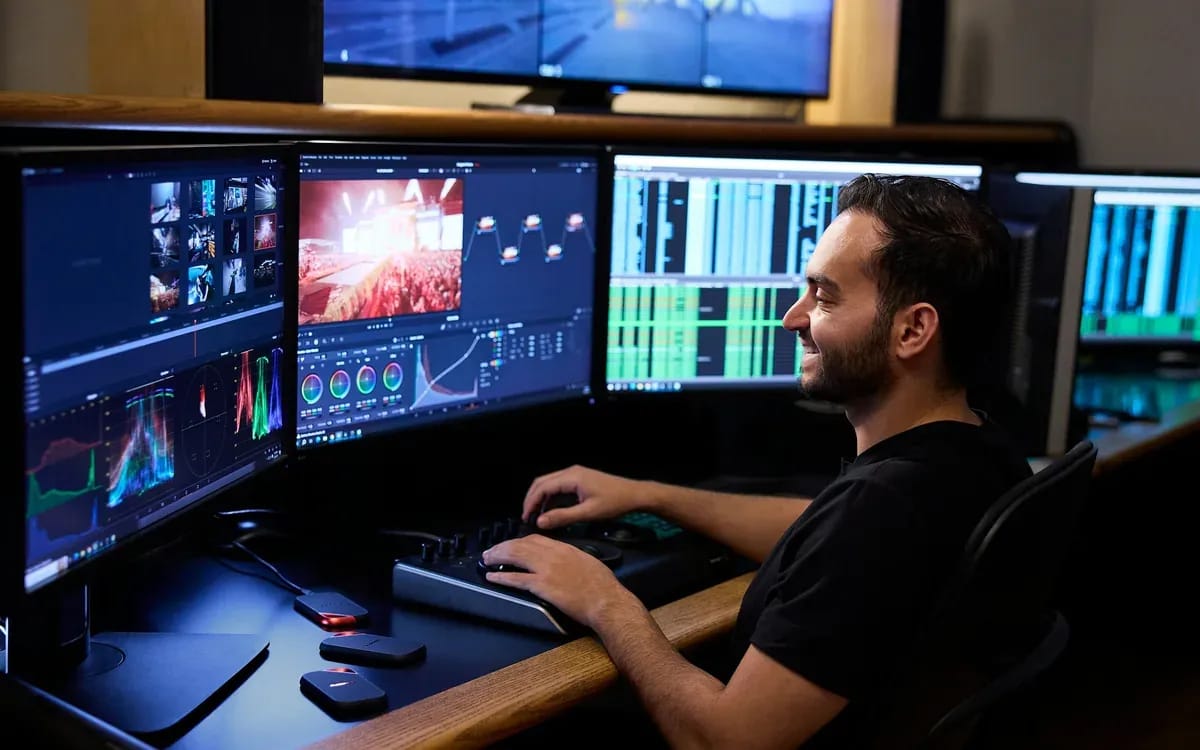
“Could you also make two or three short formats for social media?” The request is reasonable, it is frequent, and it almost always comes after the shoot. That is the only moment when it is hard to meet.
The idea behind it seems obvious: since the long film exists, you would only need to cut three pieces out of it. That obvious idea is the wrong one, and it is better to say so clearly than to discover it on delivery.
A short format is not an excerpt
A long film has time to settle in. It opens on a shot that sets the place, lets people arrive, builds something up. Its best seconds are often in the middle, and they only have power because the two minutes before prepared them.
A short format has no such credit. It opens on its best shot, or nobody watches it. It has neither introduction nor context: it must make sense with nothing before it. Cutting the middle out of a long film therefore gives an excerpt that starts in the middle of a sentence — technically a video, editorially nothing at all.
The consequence is simple: short formats need shots of their own. Not another shoot, but a few extra takes, filmed at the right moment, used only for them.
What must have been filmed for the short ones to exist
- One opening shot per sequence. Wide, held, without movement: it is the first second of every short, and it is what is most often missing.
- Inserts. Hands, a detail, an object, a look. These are the breathing spaces that let you cut smoothly in a thirty-second edit.
- Shots held eight to ten seconds. A three-second shot can be edited only one way; the same shot held ten seconds can be used in all four edits, in four different places.
- At least one take framed for portrait. For moments that cannot be replayed, it is the only way to get a vertical that is not a crop.
- Clean sound on what is said. A spoken short format without a dedicated microphone ends up replaced by music, and loses exactly what made it useful.
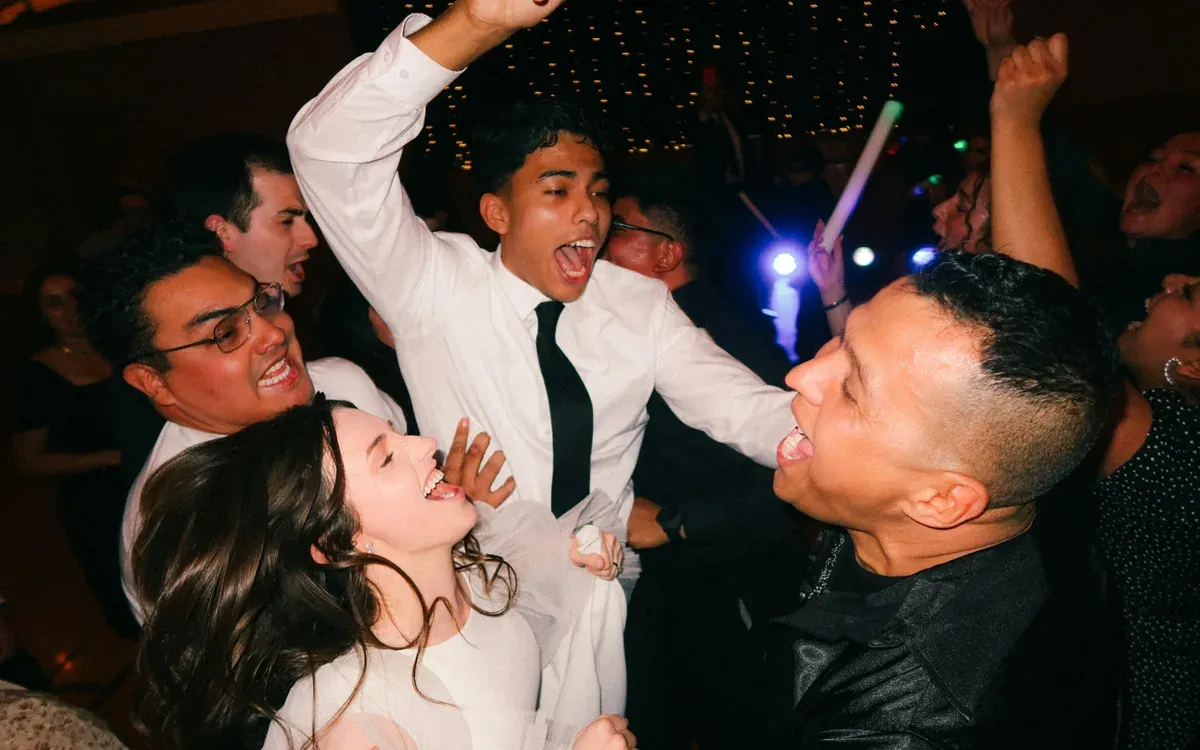
Four deliverables, four different demands
The lengths below are orders of magnitude, not a price list: they show that each format asks for something specific during the shoot.
| Deliverable | Usual length | What it demands during filming |
|---|---|---|
| The full film | Three to eight minutes | Continuity: arrival, highlights, ending — and the sound of the moments that speak |
| The teaser | Thirty to forty-five seconds | Five or six very strong, held shots, including an opening shot |
| The vertical format | Fifteen to thirty seconds | Takes framed for portrait, made on the spot, not cropped afterwards |
| The single shot | Ten seconds | One perfectly steady shot, chosen and filmed for its own sake |
Read this way, the table says one thing: the last column does not exist in the edit. It exists during filming, or not at all.
A remark on order, which often surprises: it is better to edit the short first. A teaser assembled before the full film forces you to pick straight away the five shots that carry the day, and those five shots then become the backbone of the long one. Done the other way round, the teaser inherits the choices of the long film and looks like a summary — exactly the effect you wanted to avoid.
Why it is decided before, not after
Because the number of edits changes more than the work in the editing room: it changes the shoot. A camera operator who knows they must deliver three shorts on top of the film does not stand in the same place, does not hold shots so briefly, and keeps one camera free for vertical takes while the other follows the action.
There is a second, more down-to-earth reason: editing is priced by the time it takes, and three short edits are not three free cut-outs from the long one. Each has its own pace, its own music, its own choice of shots. Announcing them in advance is simply what makes them possible.
That leaves the case where the request still comes afterwards, because that is life. It is not lost from the start: on a well-covered shoot there is often enough for an honest teaser. What will almost always be missing are the takes framed for portrait and the held opening shots — precisely the two things that cost nothing on the day and cannot be made afterwards.
At an event, this joins the question of the number of viewpoints: a single angle is enough for a long film, rarely for four edits. Our guide to the equipment for filming an event explains what each angle brings.
Say it in the request
The useful sentence is not “we will need social media formats”. It is: “we need the full film, a teaser and two verticals”. The difference between the two is a day of filming organised differently.
For what comes next, the guide to formats by platform says where each edit will end up, and free editing software is more than enough if you would rather assemble the short versions yourself.
If you are organising a party, a wedding or a concert, say in the request how many edits you expect: describe your party, and the list of deliverables will be confirmed to you in writing with the quote, before the first camera is set up.
More in this section
 Services
What becomes of the rushes after the shoot
A day of filming means hours of files from which only a few minutes will be kept. Here is what happens in between, and why it is decided beforehand.
3 min read Services
Weather: what gets postponed, what gets shot anyway
There are dates that can move and dates that cannot. Who decides to postpone, at what hour, and what you shoot while waiting for a break in the sky.
5 min read Services
Why a service quote is written by hand
None of my jobs resembles the previous one. An automatic calculator would get it wrong in both directions, and you would never know which.
2 min read