
Services
What becomes of the rushes after the shoot
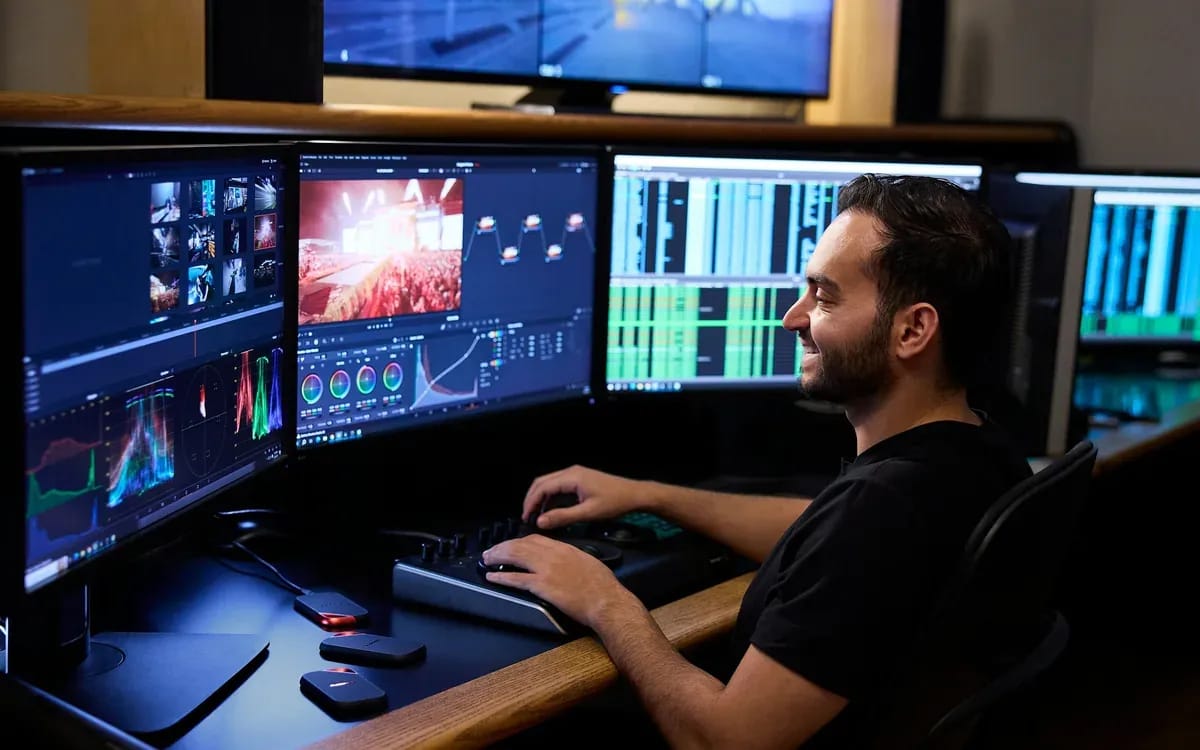
The shoot is the visible part of a job, and the shortest. What follows happens alone, in the workshop, and usually takes more hours than the shoot itself. Because it is invisible, it gets forgotten at decision time — and that is exactly where misunderstandings are made.
Five stages, in this order
- The copy. Cards are emptied onto two separate drives before anything else. A card wiped before there are two copies is a day lost for nothing.
- The sort. You watch everything and throw away a lot. It is the longest and least spectacular stage: from a full day, rarely more than a tenth survives.
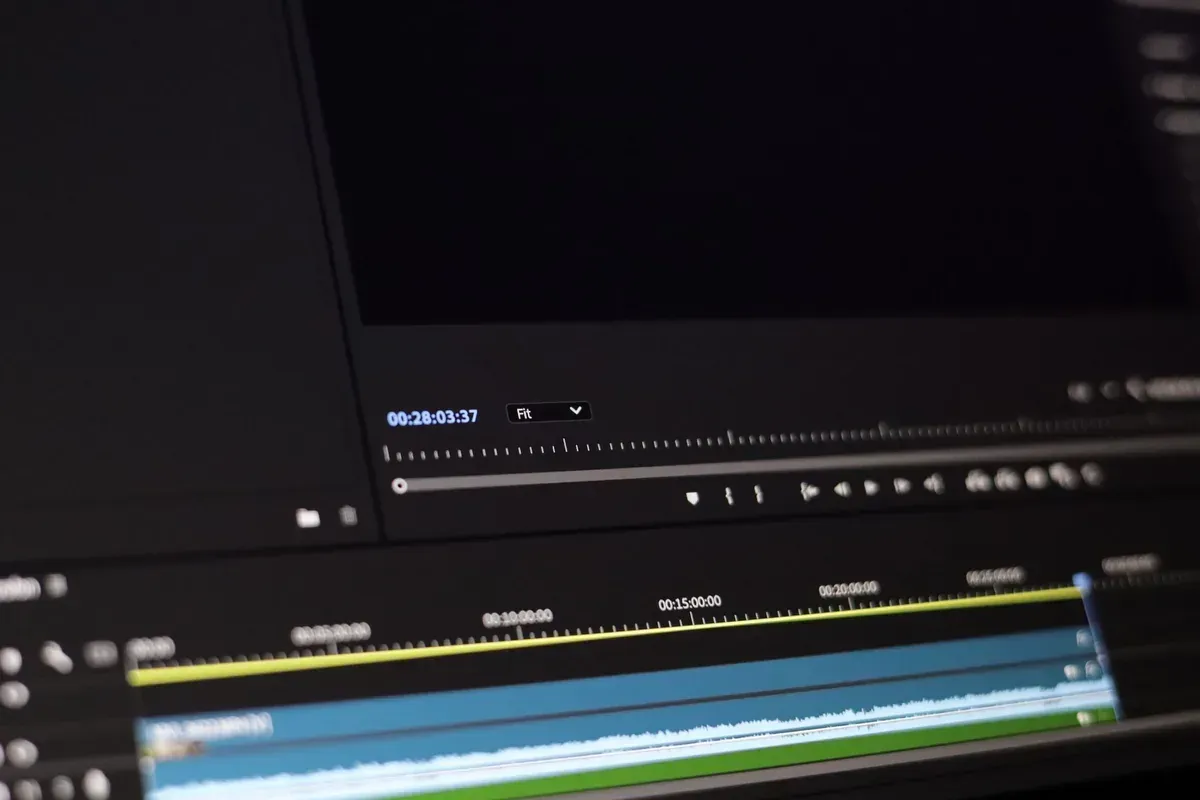
- The edit. You order, you cut, you set the rhythm. This is where the film takes shape, and where the running order written before the shoot really earns its keep.
- The grade. You harmonise colour from shot to shot. That is what separates a film from a string of sequences: without it, every change of room reads as a change of camera.
- The export. A film is not delivered in a single format: what goes on a website, a social network or a hall screen is not prepared the same way. That is why I ask from the outset what you want to receive.
Three things the edit will never fix
Sound drowned by the room, first: you can attenuate background noise, you cannot pull a voice out of a murmur it is buried in. A scene that was not filmed, next — obvious when written down, and yet the request I receive most often afterwards. And a botched frame, finally: on a classic camera there is no margin around the image, unlike a 360 take where the angle can still be chosen later.
Editing is requested separately, and that is deliberate
In the request form, editing is one tick box among others, not an automatic extra. Two reasons. First: many clients already have someone who edits — an agency, a communications team, a friend. Second: editing is priced by the time it takes, and that time depends on what you want, not on the length of the shoot. A two-minute aftermovie and a fifteen-minute film start from the same rushes and are not the same work.
The raw files, and paper
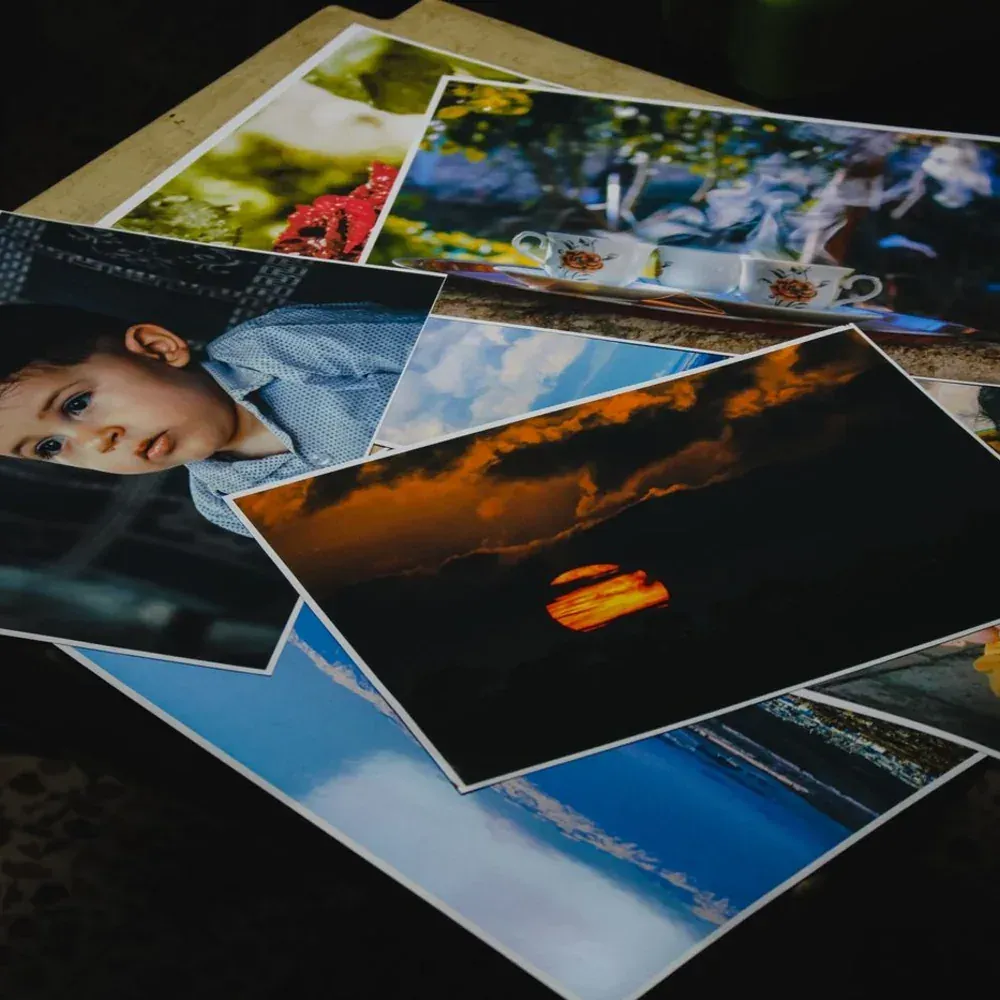
You can ask for the rushes on top of the edited film, and that is legitimate — but know what you will get: tens of gigabytes of unsorted, ungraded files, most of which will never be watched. They are useful if someone has to re-edit something else later. They are useless for “keeping memories”. For that, what really works is a few printed photographs: a print has a lifespan a shared folder never had.
If you edit yourself, organising and sharing your videos after the shoot describes the same chain from the renter’s side, and free editing software is perfectly fine to start with. For 360, plan on a stronger machine: editing a 360 video gives the real orders of magnitude.
More in this section
 Services
Weather: what gets postponed, what gets shot anyway
There are dates that can move and dates that cannot. Who decides to postpone, at what hour, and what you shoot while waiting for a break in the sky.
5 min read Services
One hour, two hours, a day: what changes on site
The right question is never how long, but how many shots. What fits into each duration, and the time that does no filming at all.
5 min read Services
360 tour or photo gallery: what the buyer sees
A gallery shows twelve chosen moments. An immersive tour shows a home. The difference is not the quality of the photos, but what they leave out.
2 min read