
Services
360 tour or photo gallery: what the buyer sees
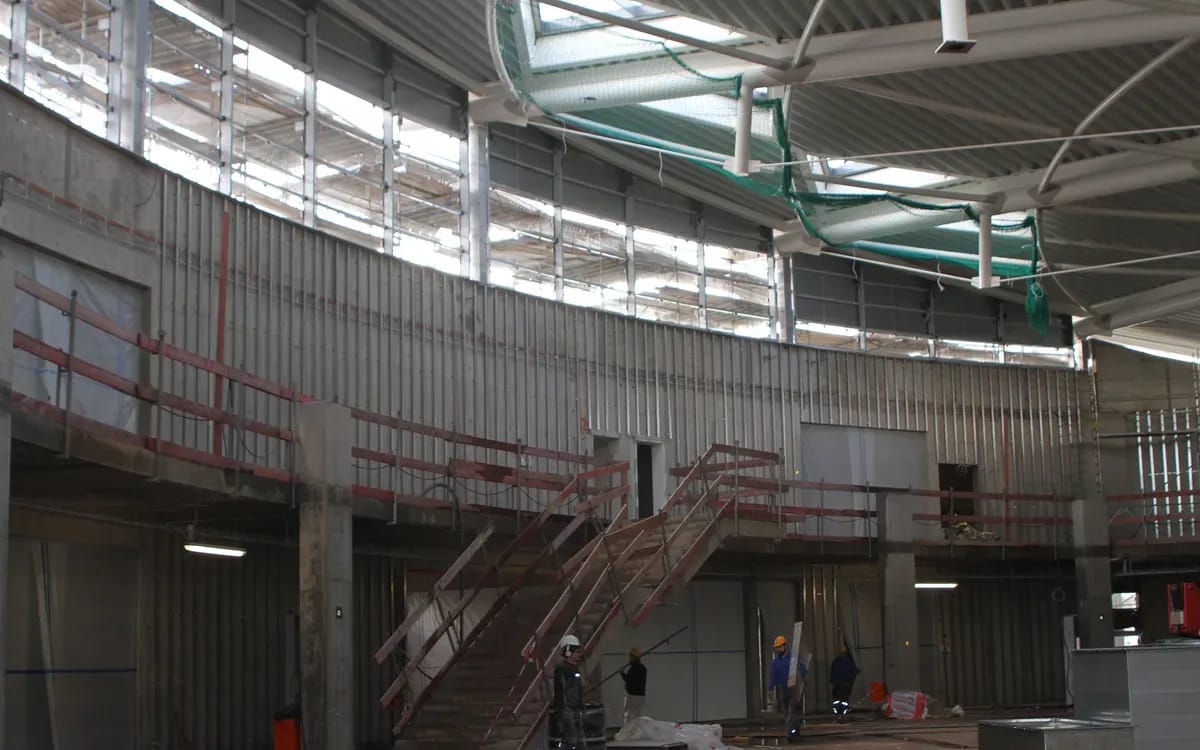
A classic property listing shows between eight and fifteen photos. They are often good, and that is precisely the problem: they are chosen. The person looking does not see what lies between them — the corridor, the view from the back bedroom window, the real distance between kitchen and living room. They will find out on site, and sometimes they will leave after three minutes.
What the gallery never says
Three things, always the same. Circulation first: how you move from one room to the next, and how many metres that really is. Orientation next: where south is, what you see from the window, what stands opposite. Finally the flaws — the facing windows, the room with no light, the pillar in the middle of the living room. An honest gallery can show them, but it almost never does, and buyers know it. That is why they distrust beautiful photos.
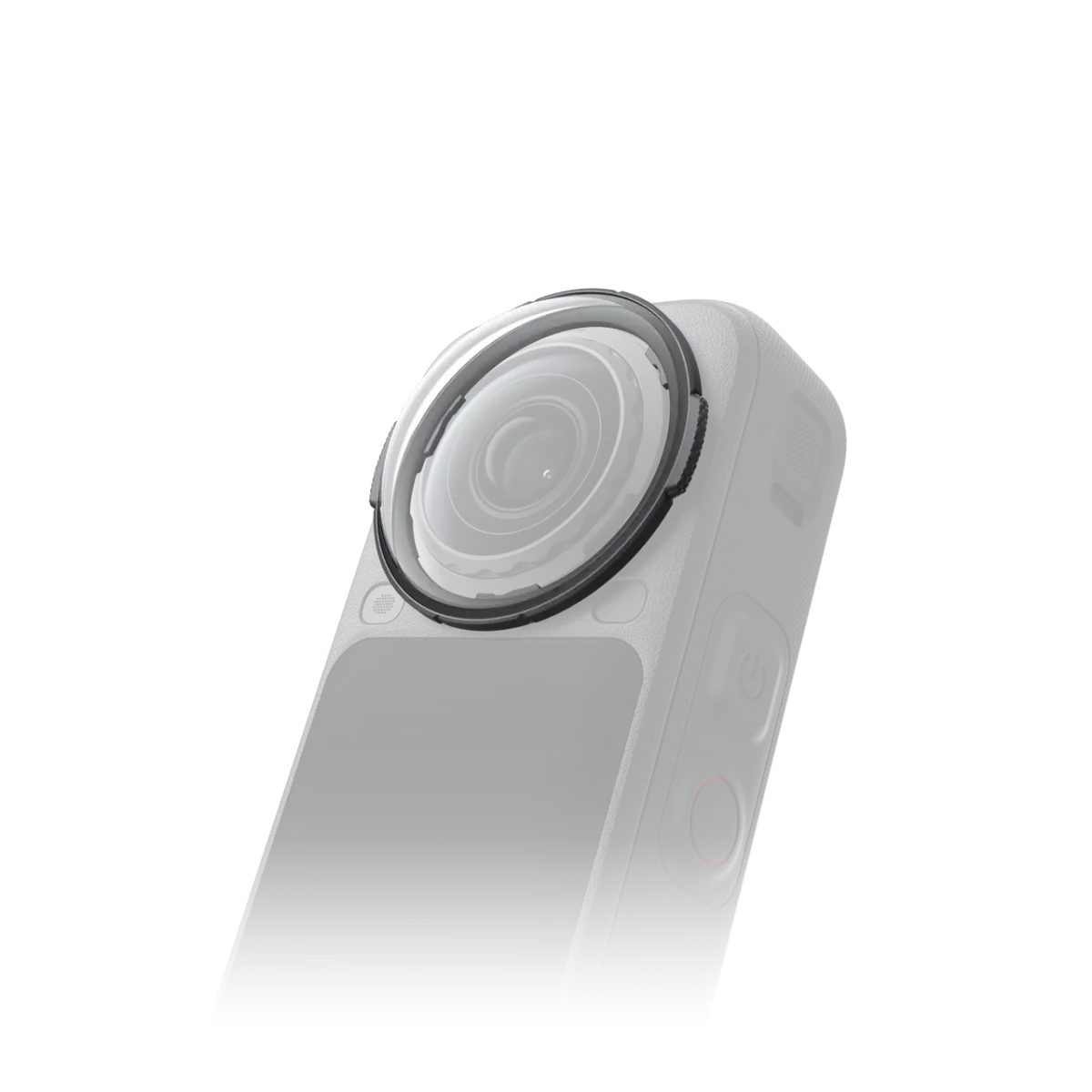
What an immersive tour makes visible
Exactly those three things, and not much more. A 360 take records the whole room from one point: the viewer turns their head and sees the pillar, the facing window, the door onto the corridor. The property is not prettier, it is truer. And that changes the nature of the viewings that follow: the people who then travel out already know what the place looks like, so they come to decide, not to discover.
They are not rivals, they do different jobs
Photos attract, the tour retains. A listing with no good photo never gets opened: the first click is won with a framed, lit, retouched image — that is the work of a classic camera and an operator who chooses. The immersive tour does not bring people in: it qualifies them. Both are in fact requested together in the form, and on site they are shot within the same hour.
The third eye: from above
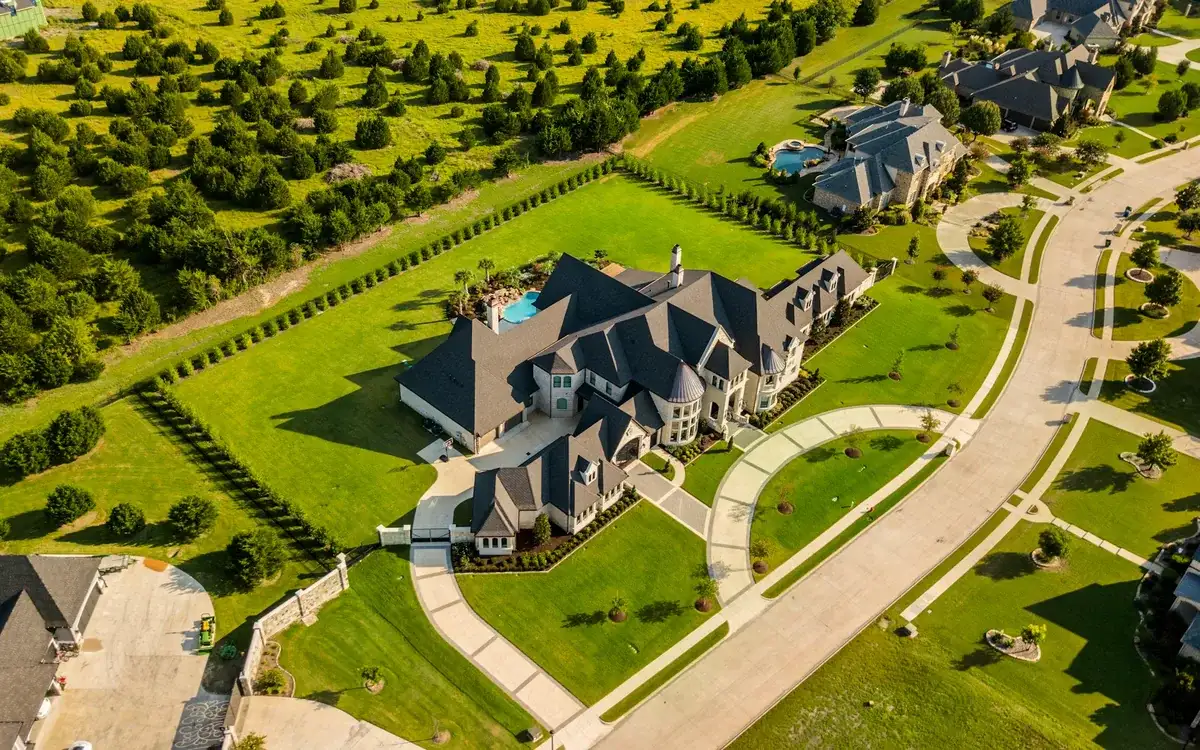
One piece of information is still missing, which neither the gallery nor the tour provides: what is around. The garden relative to the house, the distance to the road, the plot’s real orientation. That is the job of the aerial shot, and it is requested separately because its feasibility depends on the place and the permissions applying there that day. What an aerial shot adds spells out the gain, and the permissions to sign what to have in hand beforehand.
For the whole subject, drones and 360 video in property takes up the argument from the rental side, if you would rather shoot it yourself.
More in this section
 Services
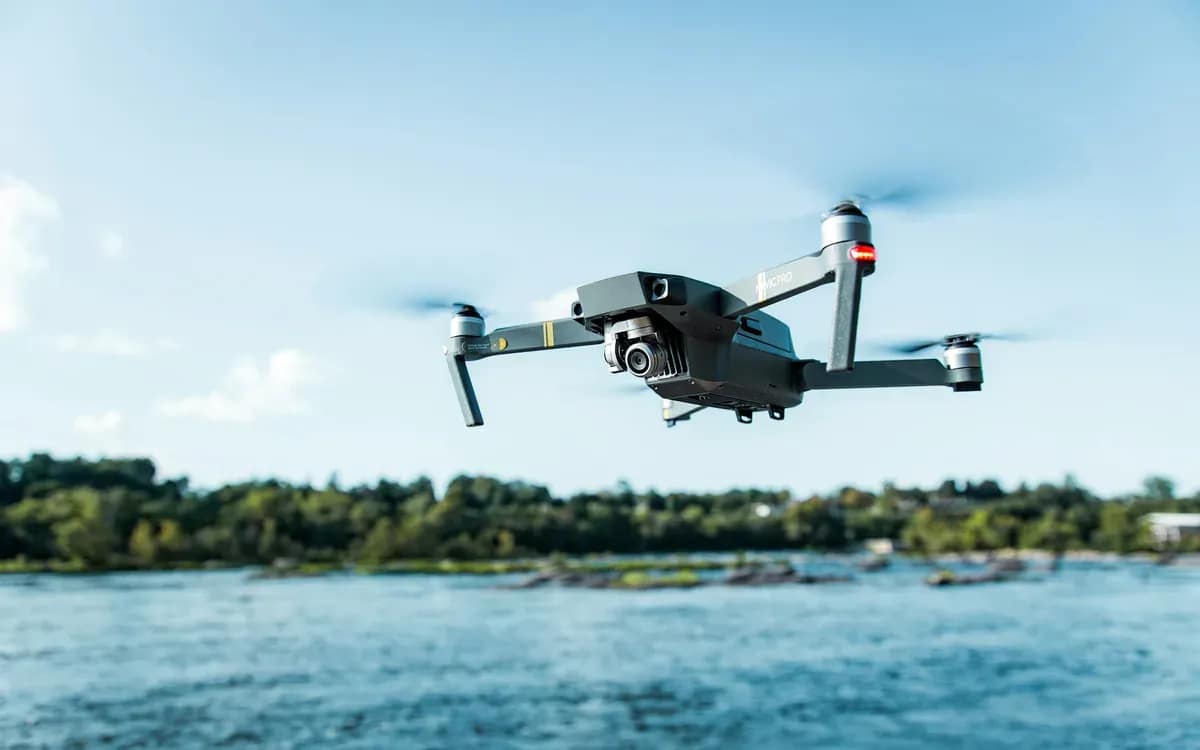
What an aerial shot adds to a property video
Seen from above, a property stops being a series of rooms and becomes a place again. It is the only image that answers “where exactly is this?”.
3 min read Services
Filming a wedding: what gets settled before the day
On the day itself there are no decisions left to make — only filming. Everything that makes the difference is settled in the weeks before. Here is what, and when.
3 min read Services
Preparing a shoot: what to tell me first
What you write in the request decides what I can film. Here are the six pieces of information that genuinely change something, and the ones that change nothing.
3 min read