
Services
Preparing a shoot: what to tell me first
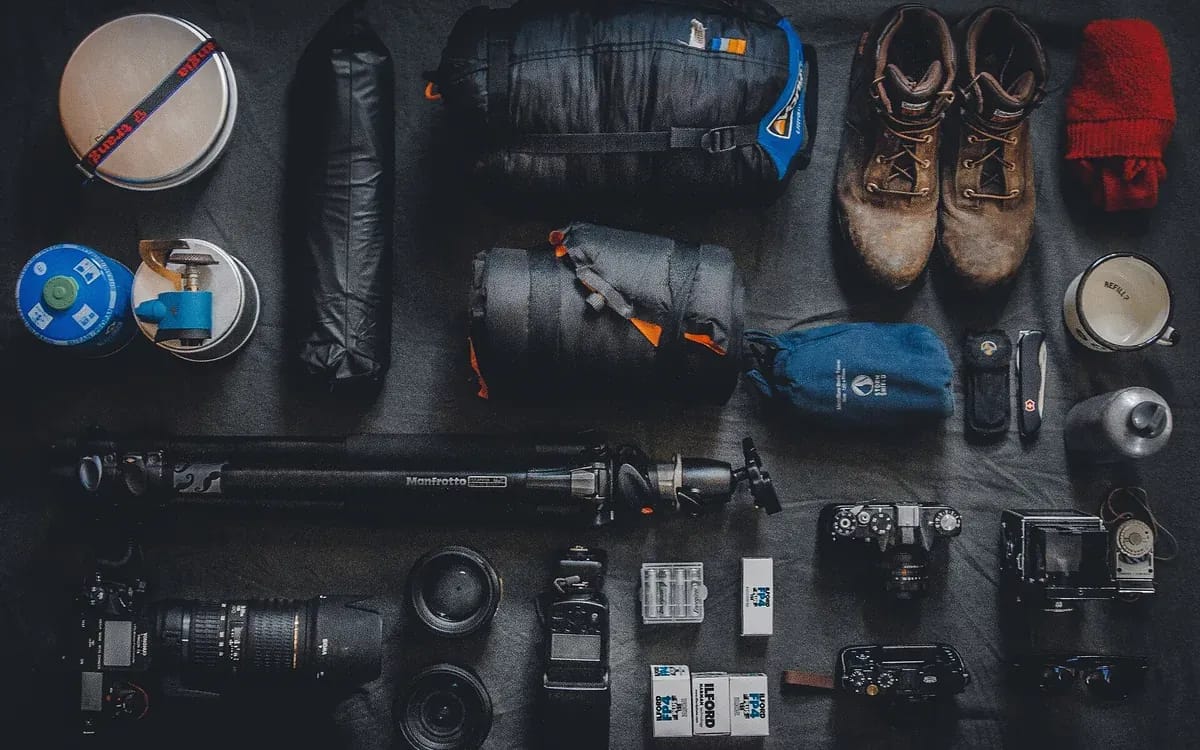
A shoot is 80 % decided before I arrive. The gear is the easy part: it is ready, charged, and the cards are empty. What is almost always missing is information only you have, and that nobody thinks to give because it seems obvious to you. Here it is, in the order I use it.
The six points that decide everything
- Access. Which floor, lift or not, a coded gate, parking five hundred metres away. It changes nothing about the image, but it changes the time I can start.
- Imposed timings. A hall that only opens at six, a service that starts on the dot, a property only viewable with the tenant present. These are windows, not preferences.
- The light in the place. Full south at noon, a windowless cellar, green strip lights, a room plunged into darkness during the speeches. It is the one constraint you cannot fix in the edit.
- Noise. A terrace beside a main road, a PA at full volume, a room that echoes. Sound is even less fixable than light, and it decides where the microphones go.
- Permissions to be sought. The manager of a private venue, the residents’ association, the church, the vineyard estate. I do not obtain them: they are sought in your name, and they sometimes take longer than the shoot itself.
- What you want to receive. An edited film, retouched photos, the raw files, prints. Say it in your own words: it decides how I frame, not just what I send you.
What is of no use to me
The camera model you saw on someone else’s video. The pixel count. The drone brand. Those three do not help me, because the gear is chosen last, once we know what there is to film and under what conditions. The form does offer to specify the technical nature of the job, but that is optional and pre-filled: if you have no idea, leave it as it is and I will handle it.
The people present, and the drone
Two subjects I would rather settle beforehand, never on the day. First, the people: who will be filmed, who would rather not be, and what the footage will be used for afterwards. A video meant for the family and a video posted on social media are not shot the same way. What the law says about filming people sets out the principles of image rights; they do not change depending on whether the camera flies or sits in a hand.
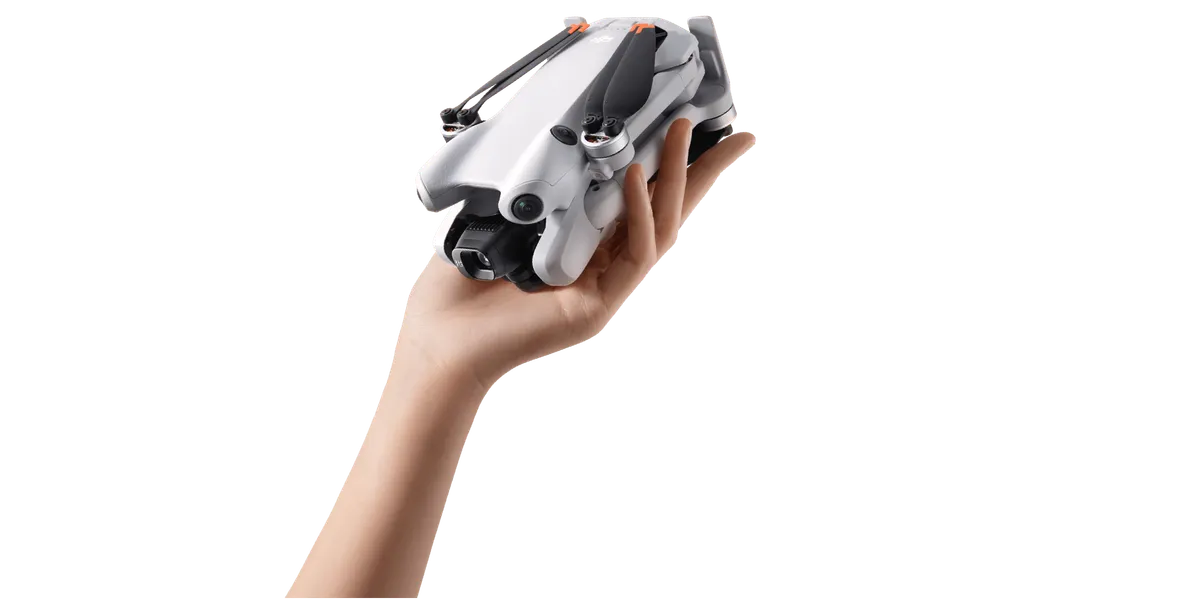
The second is the drone. Tick the box if you want shots from above, but never treat those shots as secured until I confirm them: feasibility depends on the place and on the permissions that apply there on that day. I check it before pricing, and I tell you plainly if it does not hold. This is not a hedging phrase: it is the one part of the job that can fall through for a reason that depends neither on you nor on me.
Write it badly rather than not at all
The only genuinely compulsory text in the request is the one where you tell me about your project. It does not need to be well turned, it needs to be complete: three clumsy sentences that cover access, light and noise beat a polished paragraph that says nothing. If you are already preparing gear on your side, the shooting checklist and the event guide ask the same questions the other way round. Otherwise it all happens in the request form, and we talk it over before the quote.
More in this section
 Services
Why the lead time of an immersive tour is not promised
The shoot is the short part. What follows depends on the place, which is why I give a range with the quote, never a date on the phone before seeing it.
5 min read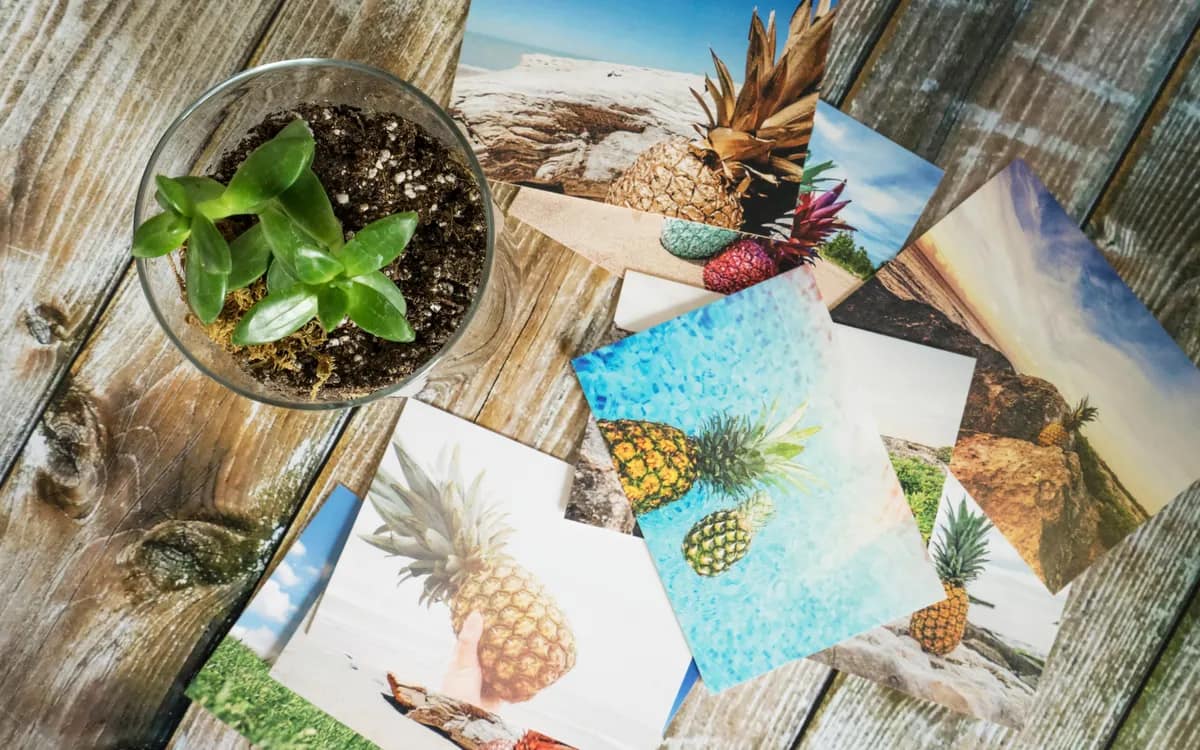 Services
Free photo prints with a service: the principle
Wedding, birthday, christening, seminar or party: every service includes a free set of paper prints. Here is how it works.
4 min read Services
A shop, a hotel room, a function room
Showing a place rented by the hour or by the night has almost nothing to do with showing a home for sale. The visitor is not looking for the same thing.
5 min read