
Services
360 or a classic camera to film a place
When a service request is about a place — a hall, a flat, a building site, a shop — the first decision is not how many cameras but what kind. And it is not settled on image quality: both families film very well. It is settled on one question, which I always put in these terms: when watching, does your viewer need to be able to turn around?
The 360: nobody frames, and that is the point
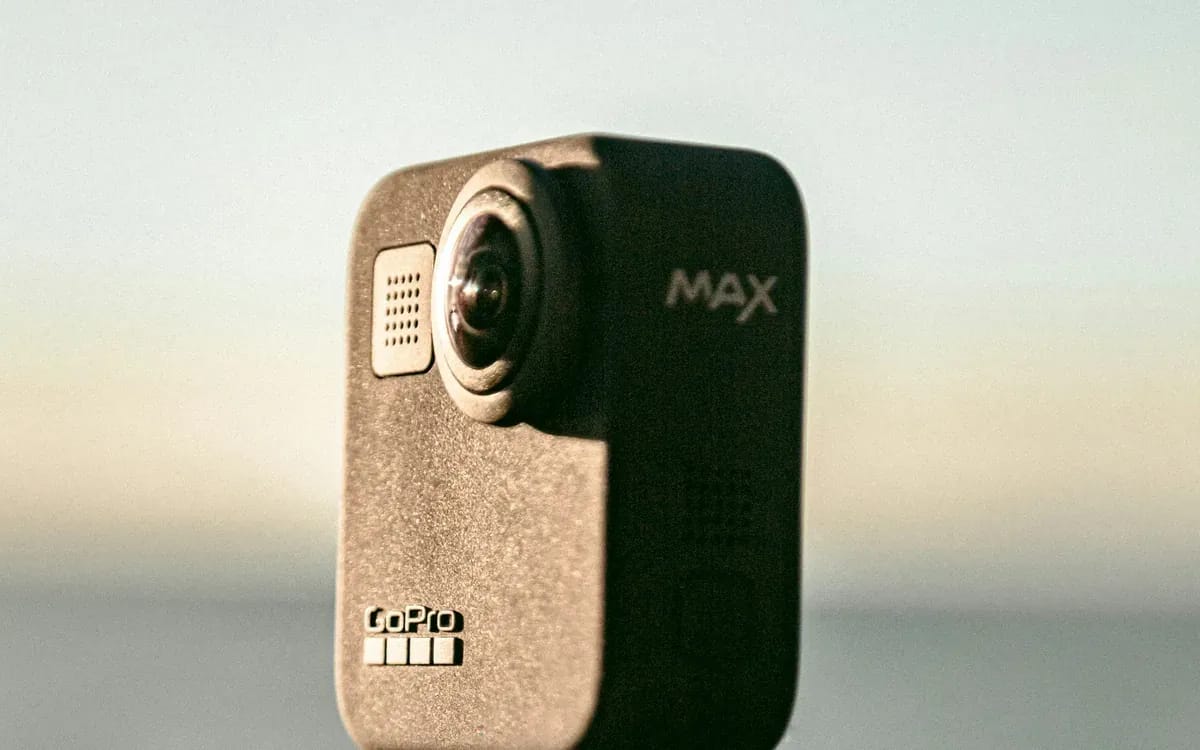
A 360 camera records the entire sphere. Nothing is out of frame, so nothing is decided during the take. That is both a strength and a burden: the strength is that you cannot miss a shot you never framed; the burden is that no shot exists until you extract it. Every sequence needs a reframing pass, where the direction of gaze is chosen afterwards.
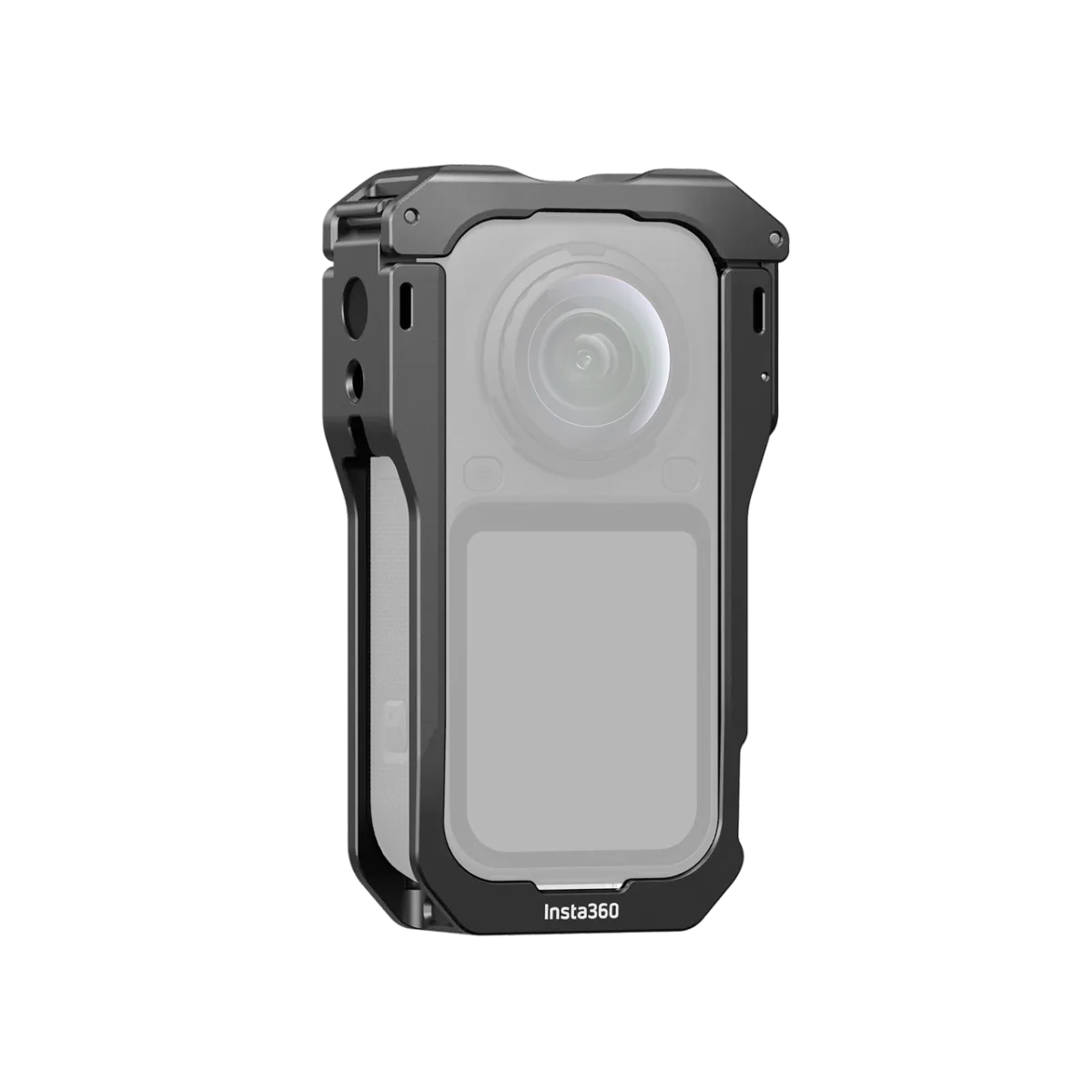
For a place that produces two very different uses. The first is a classic video edited from a 360 take: the viewer sees what I chose, but I could choose it calmly, afterwards. The second is the immersive tour, where the viewer decides where to look. That is not the same deliverable, nor the same work, and the corresponding box is not ticked at random in the form.
The classic camera: it chooses, and that is what we ask of it
A place is told as a story: you go in, you move forward, you stop on a detail, you go out. A classic camera does that naturally, because someone decides at every moment what deserves to be seen. The result comes off the card ready — you cut, you order, and it is done. It is also the only way to bring out a material, a ceiling height, the light of a room at the end of the day: those things are framed, not found in reframing.
The three cases where I bring both
- The place must be shown AND explored: a short video to convince, an immersive tour for those who want to go further.
- There is only one possible pass. An opening, a site before an opening is sealed, a flat free for one hour: the 360 becomes a safety net behind the main camera.
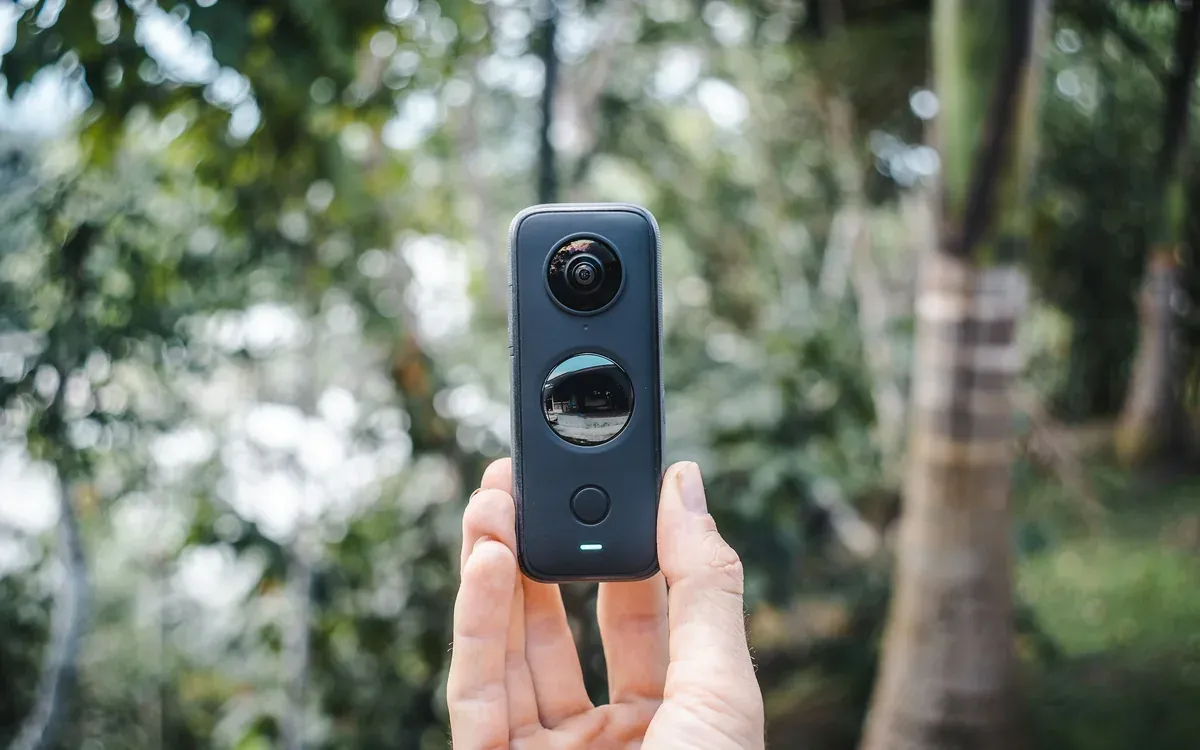
- The place is cramped. A corridor, a cellar, a booth: the 360 fits where a tripod-mounted camera has no room to back off, and the classic camera takes over as soon as there is space again.
If you are preparing the shoot yourself, the two families are compared in detail in 360 camera or action camera, and what a 360 does not replace states its limits plainly. Since the real cost of a 360 lands after the shoot, editing a 360 video is worth reading before choosing. Otherwise, just describe the place in the request: I come with what is needed.
More in this section
 Services
Sound and light for an evening, with my partner
I do not rent out any PA system and I do not rig lights. For that I work with VLK Events in Lyon — and you deal with one person only: me.
2 min read Services
Filming a seminar: what happens to it afterwards
A company day filmed without knowing what the footage is for produces a file nobody opens. The question of use comes before, not after.
2 min read Services
Projecting renovation work from a photo
What a concept view made from a photo of your property really is, what it never measures, and why it replaces neither a plan nor a quote.
6 min read