
Drones
Drone Insurance: Who Pays If the Drone Falls?
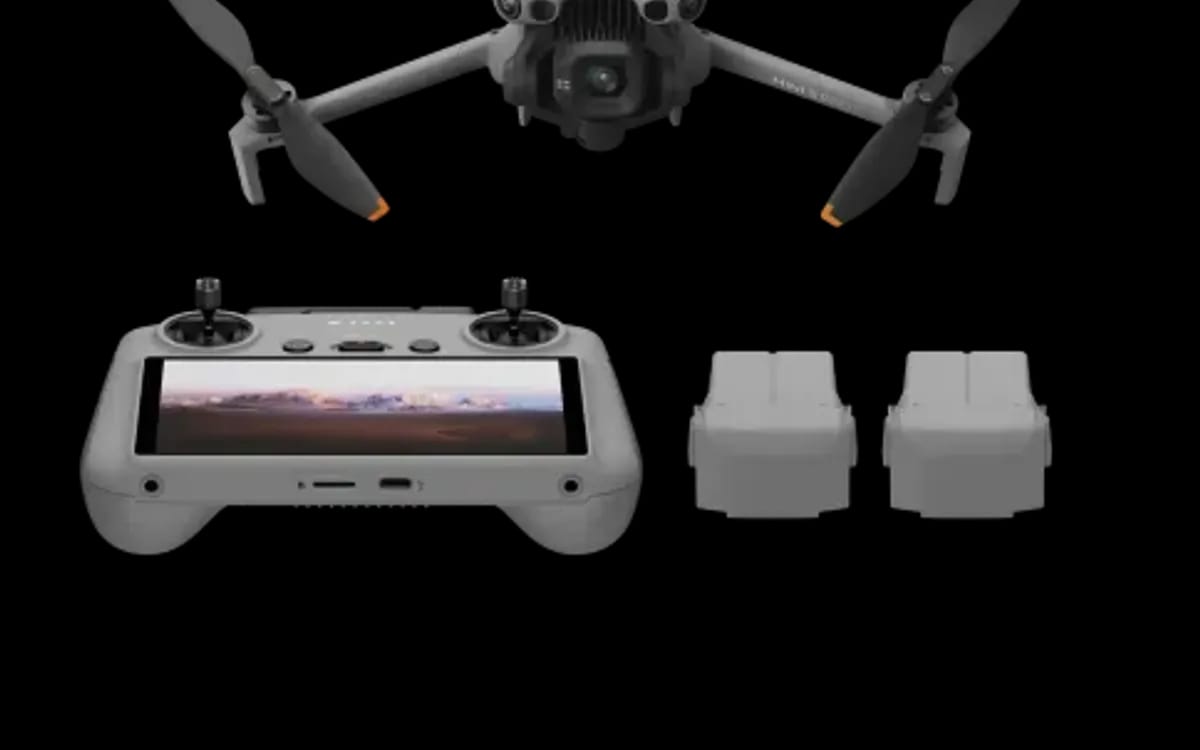
The question arises every time we rent a drone, often half-heartedly: if I break it, how much does it cost me? We are on the side that accepts the frankness, we might as well answer bluntly - especially since the answer is in three parts, and the heaviest is not what we think.
Three wallets can be called when a drone falls: ours for the device, yours for what it damaged in the fall, and yours again if the loss falls outside the coverage. In this order.
1. The device: us, up to the security deposit
Breakage and theft insurance is included in the rental price of our cameras and drones, without any action or supplement (general conditions, article 9.2). In the event of a covered loss, what remains your responsibility is the deductible: a single amount per device, with no options or tiers.
| Device | Security deposit |
|---|---|
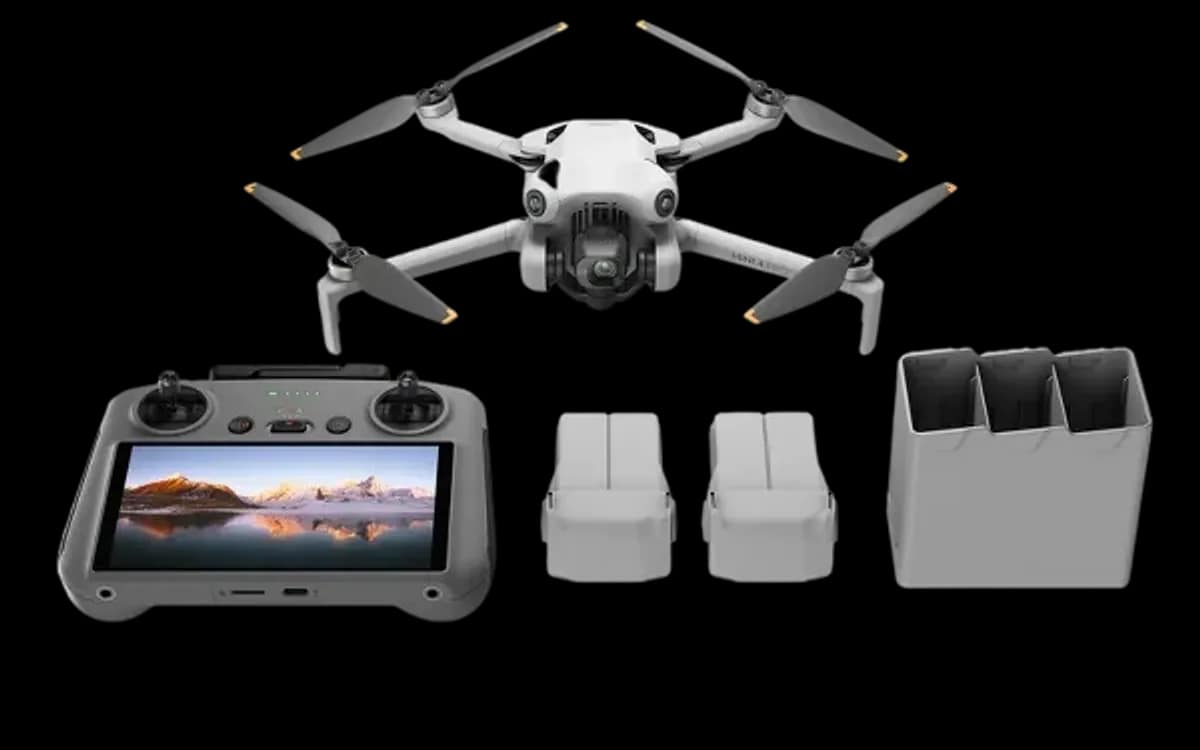
| DJI Mini 4 Pro | €150 |
| DJI Mini 5 Pro | €250 |
This excess is collected when ordering, then returned within five working days of receipt and verification of the material. It is only retained in the event of breakage, theft, loss or damage — never “on principle” upon return.
Two more modest deductions exist, we might as well announce them. Any pair of spare propellers used is retained at €10 per pair, whatever the reason, including wear. And returning a device without reporting known damage costs a fixed penalty of €50, in addition to the repair. Reporting a breakage is therefore always cheaper than keeping silent.
2. What the drone damages when falling: you, without a ceiling
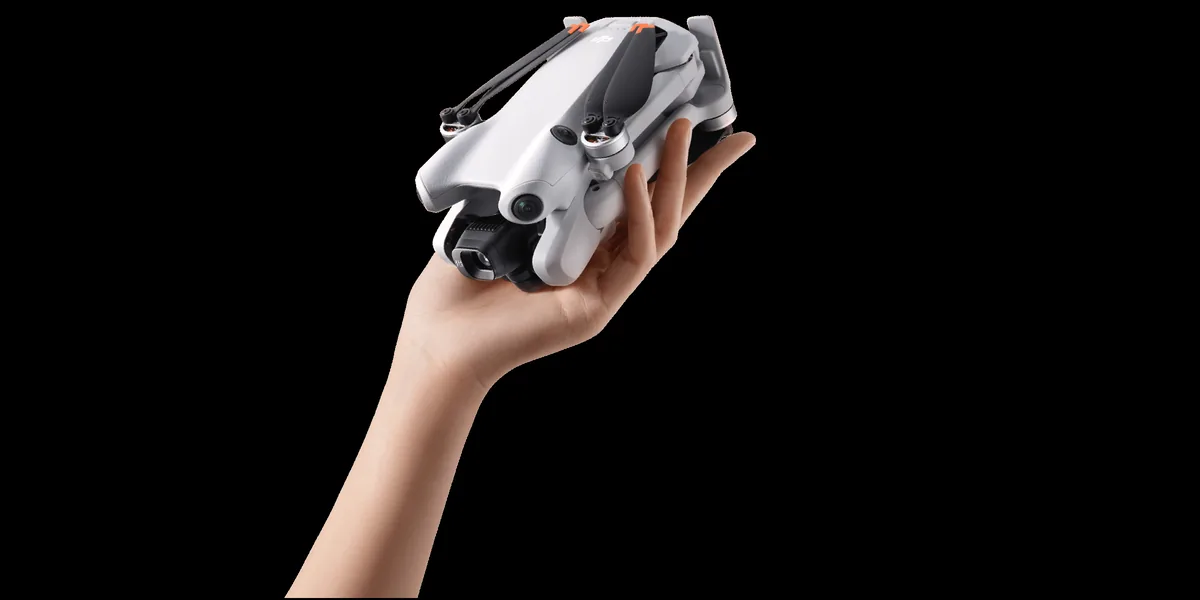
This is the part that no one looks at, and it’s the only part that can really hurt. Our insurance covers the drone. It does not cover the car he lands on, nor the person he injures.
In this area, French law is particularly severe: “The operator of an aircraft is legally liable for damage caused by the evolution of the aircraft or objects which become detached from it to people and property on the surface” (transport code, article L6131-2). During the rental, you are the operator. “As of right” means the victim has no fault to prove: a gust, a bird, a loss of signal, and you have to fix it even without having done anything wrong. No legal ceiling limits the amount.
A bodywork or a window costs a few hundred to a few thousand euros. An injury is another level. Two benchmarks set by the legislators themselves: when air insurance is imposed, the European minimum third-party coverage is 0.75 million SDRs, or around €850,000; and Switzerland requires one million francs for any drone weighing more than 250 g. This is the order of magnitude of the risk, not that of the premium – with an insurer, it is often an extension of a few euros per year.
French law does not require this insurance for these devices: the European regulation which would impose it excludes model aircraft weighing less than 20 kg. Our contract requires it (article 9.1) and we can ask you for certification at any time. Last reason, which we prefer to tell you face to face: in the event of rental, the owner is jointly and severally liable with the user towards third parties (article L6131-4). The victim can turn against us, and we against you.
3. Cases where the deductible does not protect you
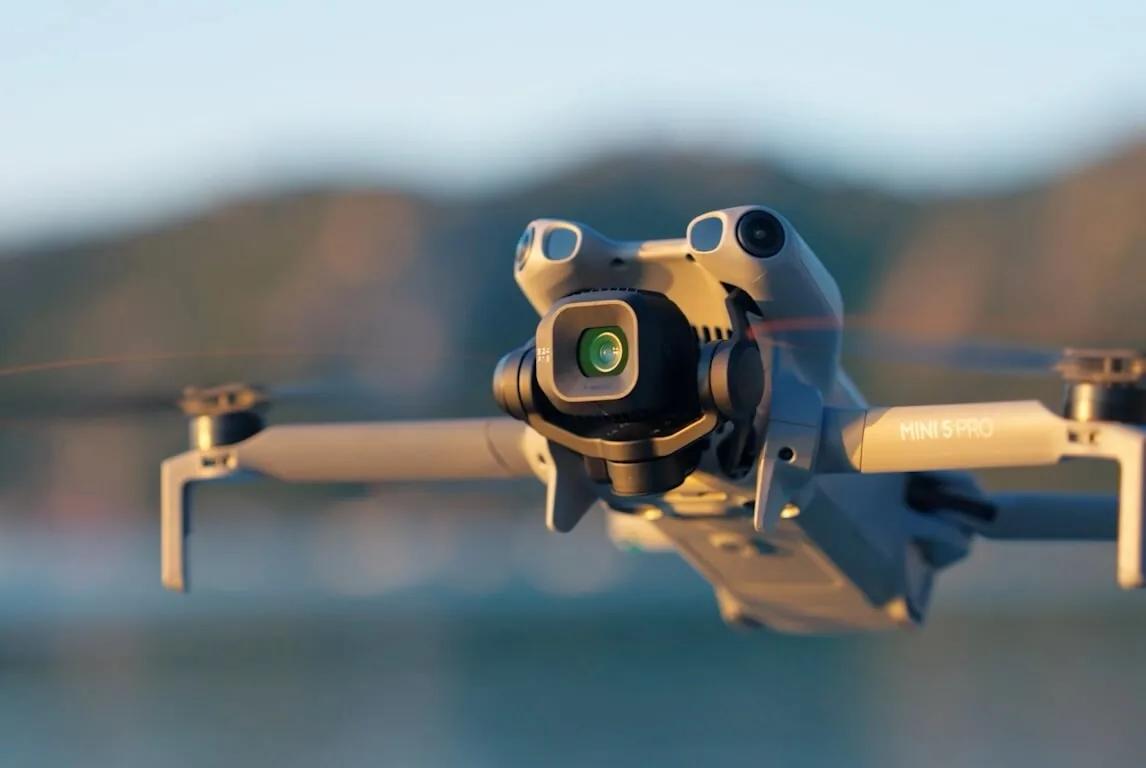
The excess is not a liability limit (article 5.4). If the loss is not covered, you will reimburse the replacement value of the device, less the excess already paid, within five working days. What is not covered under any circumstances:
- the loss of equipment — a drone falling into a lake or a forest and never found is not a breakage, it is a loss;
- theft without break-in or serious assault — the bag left on a car seat is not enough;
- intentional misconduct or gross negligence, of which immersion is a part;
- breakdowns, purely aesthetic damage, abnormal wear and tear;
- data loss and consumables: memory cards, filters, screen protectors.
The first line is the one that surprises the most, and it's also the one that prudent flying best avoids: stay in sight, keep the automatic return active and correctly set, and don't go over water with a dead battery.
4. No, your home insurance won't do the job
Two misunderstandings always come up.
The first: no personal civil liability covers rented property that you destroy yourself. Civil liability covers what you damage in others, never the object entrusted to you. It therefore never replaces the security deposit.
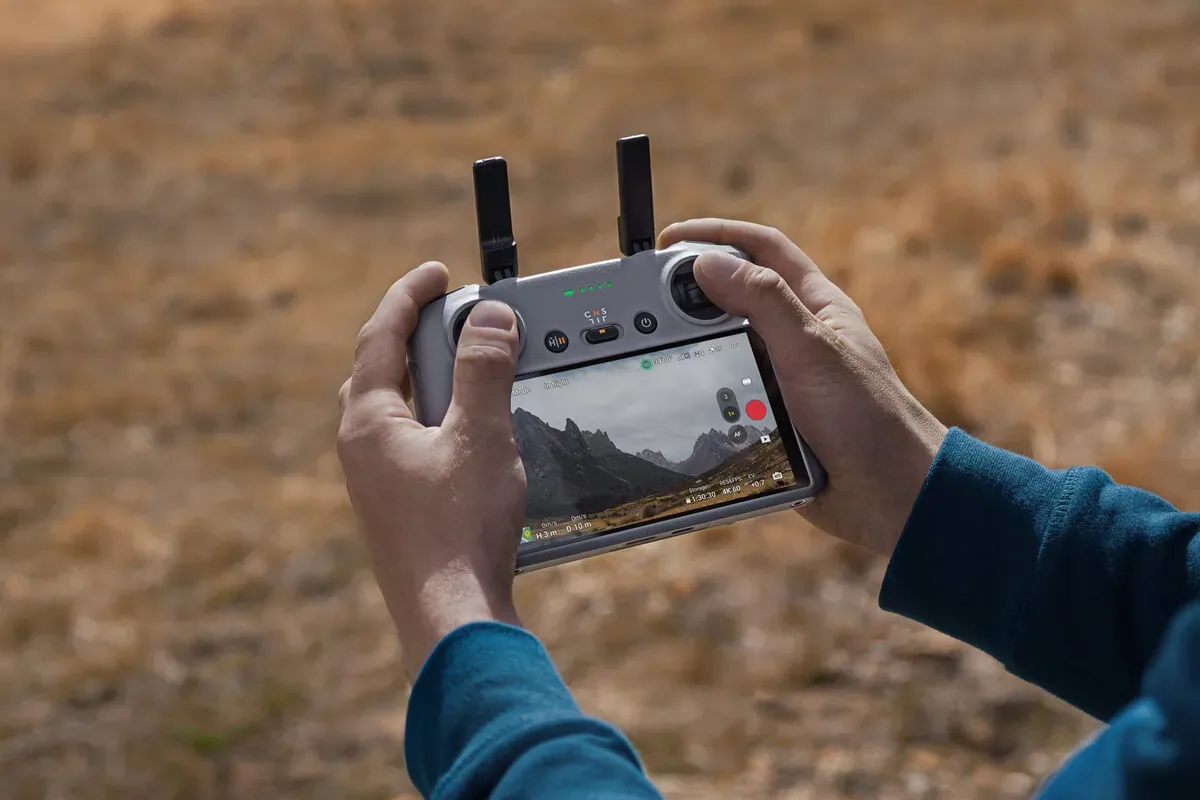
The second: many home comprehensive insurance contracts explicitly exclude “aircraft”, others cover scale models under conditions of mass or non-profit use. We can't tell you what's in yours: it's a clause-by-clause matter. The only serious thing to do is a call - ask your insurer if your contract covers the piloting of a drone, specifying the weight and use. If your flight is paid, ask for written confirmation: the European exclusion of scale models has not been drawn up for this case.
Things to remember before you take off
- The drone is covered: excess of €150 on the Mini 4 Pro , €250 on the Mini 5 Pro , insurance included in the price.
- What the drone damages is not: your civil liability, incurred automatically and without a ceiling.
- Loss, immersion, theft without break-in: excluding coverage, replacement value.
- A call to your insurer before booking settles the matter once and for all.
The details of the flight rules, each obligation with its official source and date, are gathered in our drone annex. And if you're looking for the deductible table for the entire catalog, it's in deductible and insurance: what you really pay.
More in this section
 Drones
AlphaTango: who registers when you rent a drone?
During the rental, you are the drone operator. The AlphaTango step by step, from creating the account to entering it in DJI Fly, and the XXL battery.
6 min read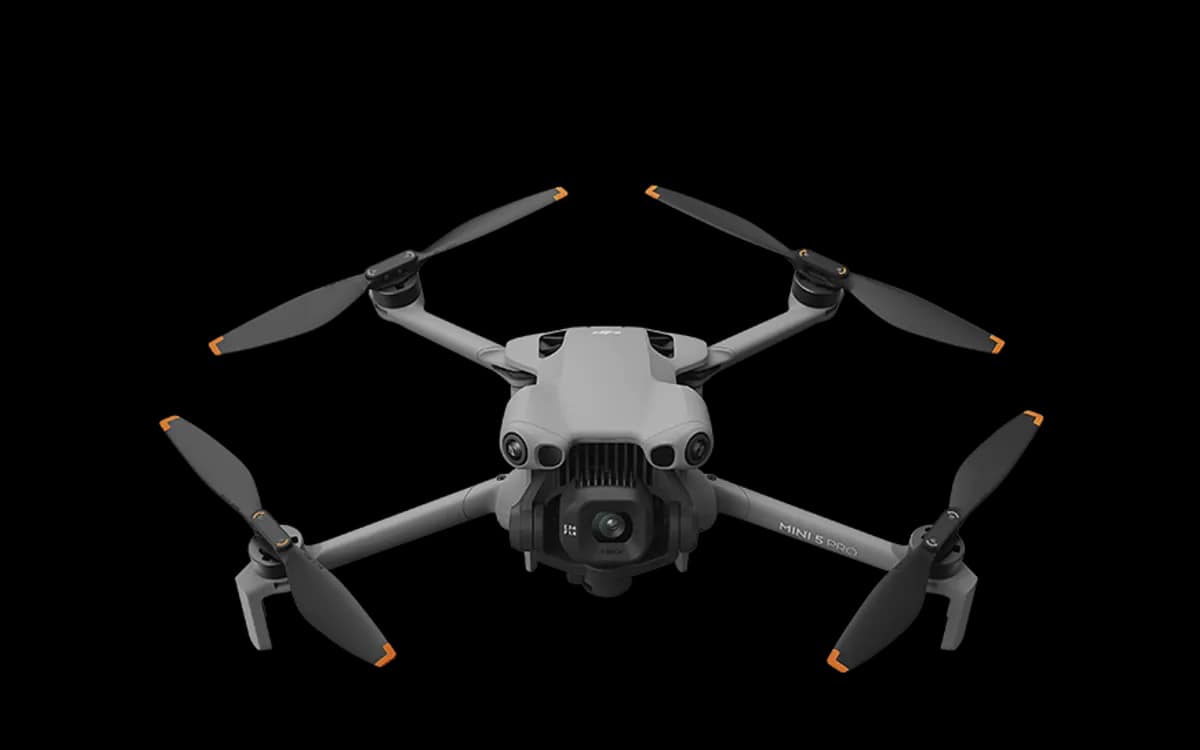 Drones
Which drone DJI to choose in 2026?
Seven very different DJI drones will coexist in 2026. Here's how to choose according to your actual use, without paying for capabilities that you will never use.
5 min read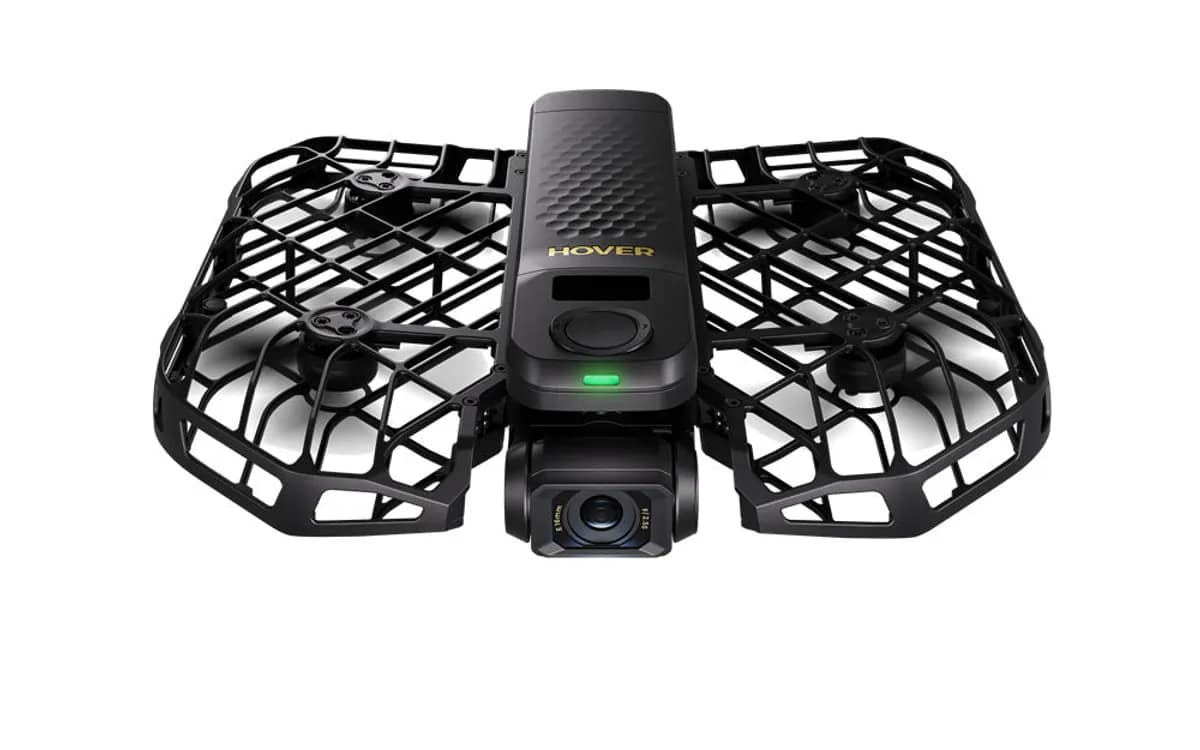 Drones
HoverAir X1 ProMax or DJI Mini 5 Pro?
The HoverAir X1 ProMax promises 8K without ever piloting. Faced with the DJI Mini 5 Pro and its 1-inch sensor, here's what the technical sheet doesn't say.
4 min read