
Drones
Drone weighing less than 250 g: what does it change?
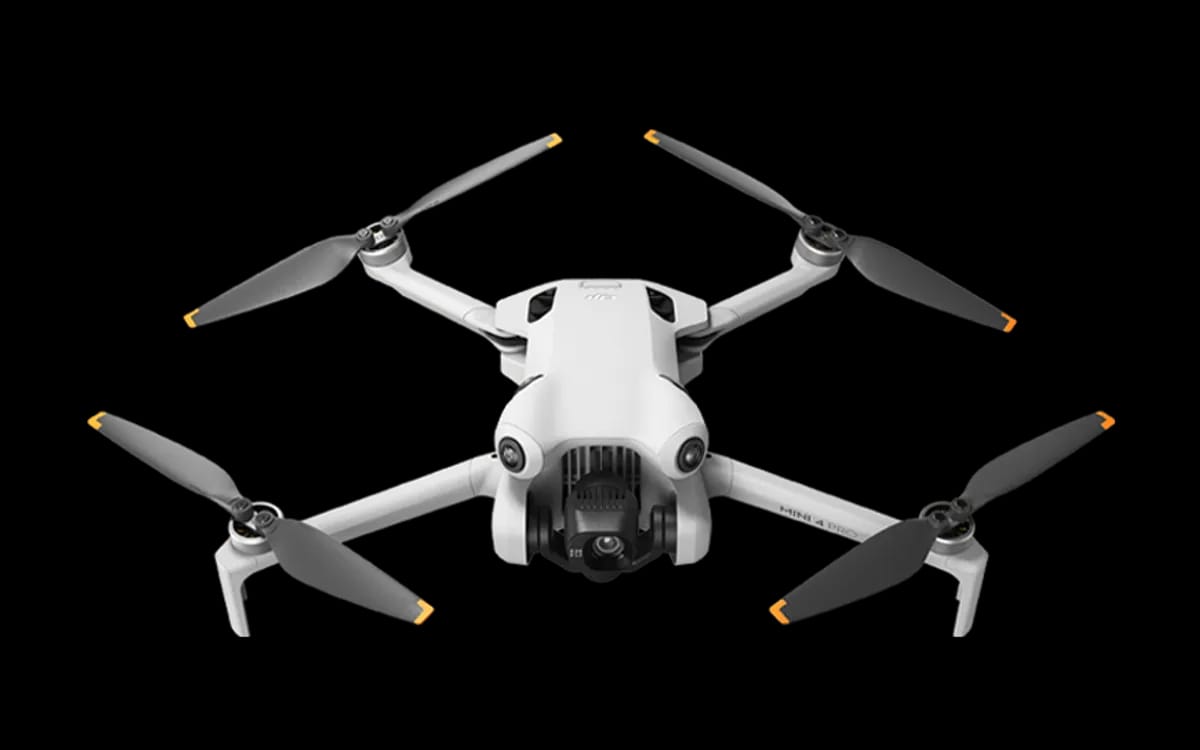
“Take a drone weighing less than 250g, you won’t have to do anything. » The phrase is circulating in all the forums, and it is half false. The 250 g threshold does indeed exist in European regulations, it gives real freedoms - but it does not exempt you from everything, and it is crossed more easily than you might think.
What matters is the class, not the displayed weight
Since the entry into force of the European framework, each drone sold new has a class marking, from C0 to C4. This marking determines the subcategory in which you are allowed to fly within the open category, the one which covers leisure and most semi-professional uses.
| Class | Maximum takeoff weight | Subcategory | Distance from people |
|---|---|---|---|
| C0 | less than 250 g | A1 | hovering over uninvolved people possible, avoid as much as possible |
| C1 | from 250 to 900 g | A1 | overflight prohibited (people and vehicles), minimum safety distance to keep |
| C2 | less than 4 kg | A2 | 30 m, or 5 m in reduced speed mode |
| C3 and C4 | less than 25 kg | A3 | 150 m from people and populated areas |
There is no exception to one rule, whatever the class: flying over a gathering of people is prohibited. Under 250 g included.
What C0 allows you that C1 refuses
The difference between C0 and C1 seems thin on paper – both fly in A1 – but it is decisive in practice, on two points. Flyover first: with a C0, hovering over uninvolved people is possible, even if it must be avoided as much as possible; with a C1, it is prohibited, for people and vehicles, and a minimum safety distance must be maintained. Training then: recommended but optional in C0, it becomes mandatory in C1.
Translated into the field: on a busy hiking trail, a village square, a winery parking lot or a beachside, a drone weighing less than 250 g gives you a margin of error that a 700 g device does not give you. This is not an administrative detail, it is the difference between a peaceful flight and one where every passerby becomes a problem.
What 250 g does not exempt you from doing
This is where the legend collapses. A light drone remains an aircraft, and several obligations apply regardless of its mass.
- Registration of the operator: it is mandatory as soon as the drone exceeds 250 g or that it is equipped with sensors capable of collecting personal data. A camera is one of them. In other words, all camera drones weighing less than 250 g are concerned – the exemption only targets lightweight devices without cameras.
- Training: this is the only real reduction in C0, and it is fragile. Under 250 g, the “Open Category A1/A3” online training is recommended but not obligatory; as soon as a device falls under C1, it becomes mandatory, with a 40-question exam passed at 75%, valid for 5 years.
- Maximum height: 120 m above the ground, without exception related to weight.
- Minimum age: 14 years for the remote pilot.
- Prohibited areas: no relief either. A 150 g drone does not fly over an airport or a sensitive site any more than a one kilo drone.
The trap: take-off weight, all inclusive
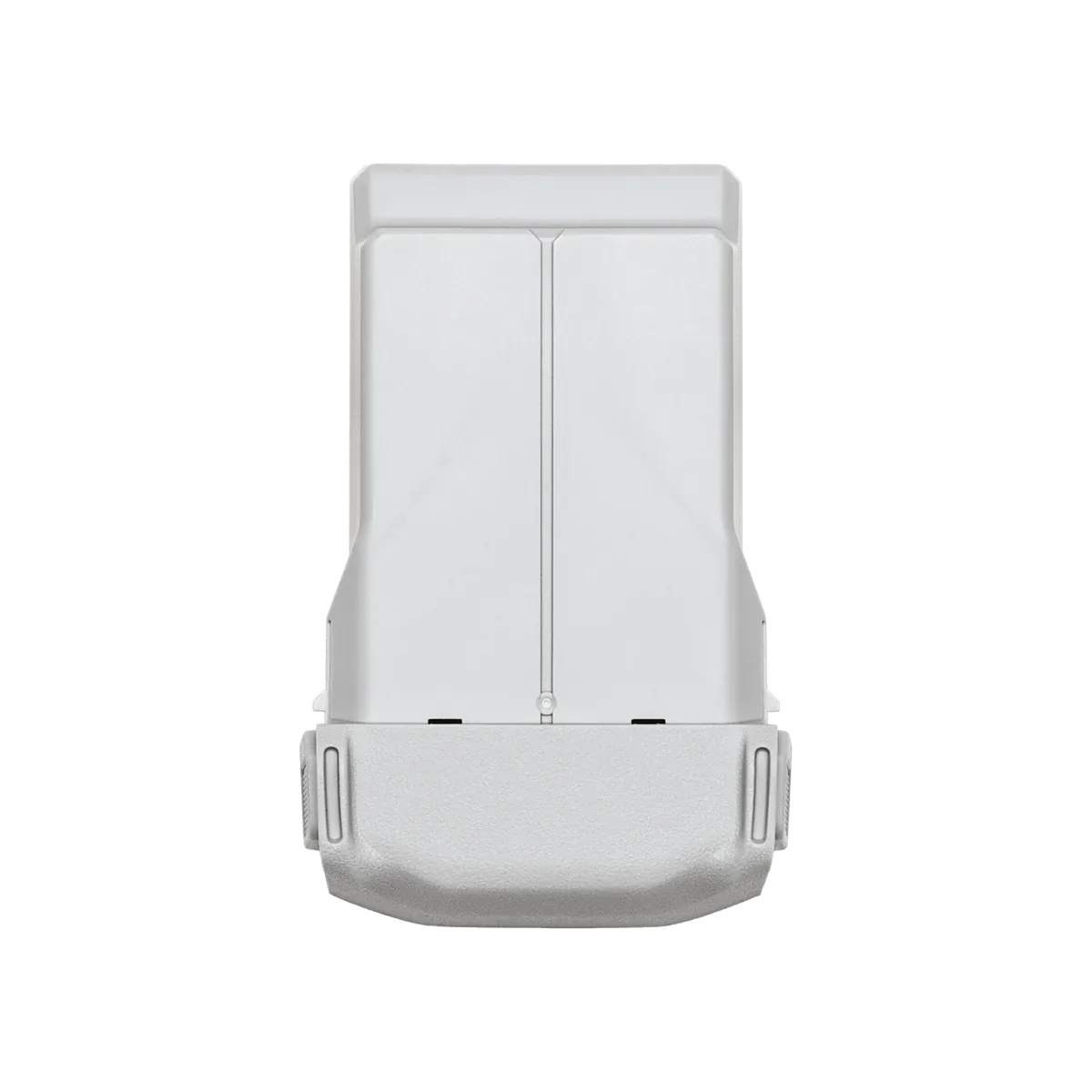
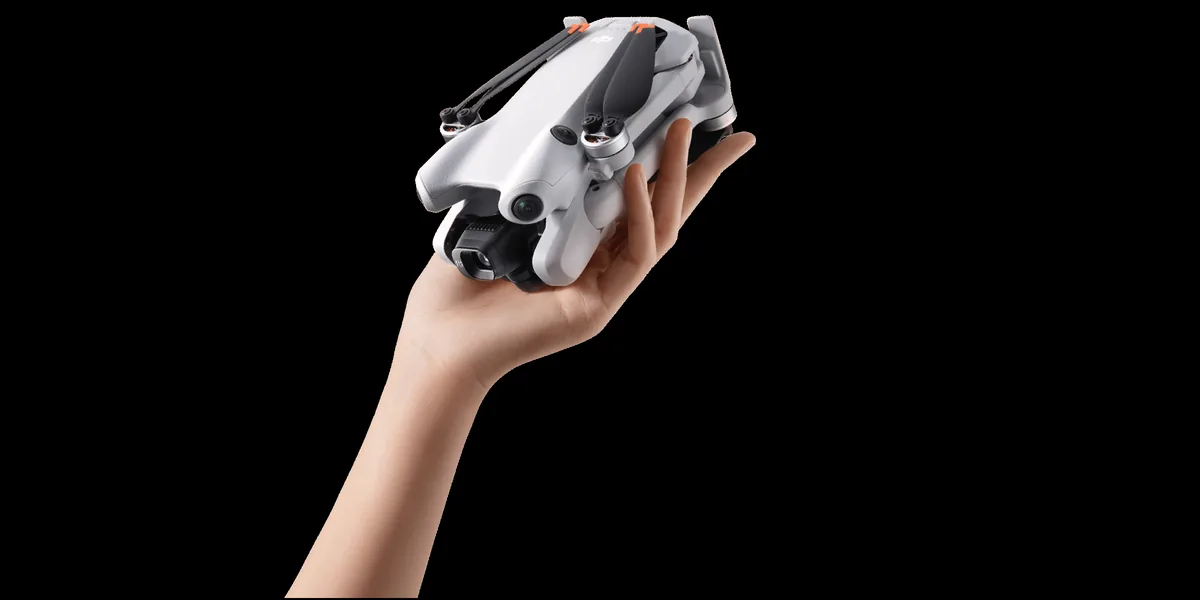
The threshold does not relate to the weight of the naked drone, but to its takeoff mass: battery, propellers, memory card, everything that leaves the ground with it. And some accessories are enough to push a device into the higher class.
The most telling example comes from DJI himself. The Mini 5 Pro is not announced at 249.9 g simply: it is announced at 249.9 g with a tolerance of ± 4 g, and DJI specifies that this weight varies according to the production batch. The margin below 250 g is therefore not guaranteed to the tenth of a gram, nor copy by copy. With the long-life battery, which increases the announced autonomy from 36 to 52 minutes, there is no margin at all: DJI writes in black and white that a C0 certified copy equipped with this battery “exceeds the limit of MTOM C0 and can no longer be operated” as C0 in the European Union – and at the same time markets a C1 certified pack.
The consequence is very concrete, and this is the point that most articles omit: it is the installed battery which decides the class, not just the model listed on the box. Two Mini 5 Pro of identical appearance do not give rise to the same flight rights: with the standard battery you are in C0, with the long-life battery you are in C1 — mandatory training, flying over people prohibited. Before taking off, the right question is not “how much does this drone weigh?” » but “what battery is in the bag?” ".
The two drones we rent, and their class
This is no coincidence. The DJI Mini 4 Pro remains under 249 g with its standard battery and carries the C0 marking, with 34 minutes of autonomy announced, omnidirectional obstacle detection and a 1/1.3 inch 48 MP sensor. The DJI Mini 5 Pro weighs 249.9 g ± 4 g for a 1-inch 50 MP sensor, 36 minutes of battery life and 12 m/s wind resistance - but its class depends on the pack: DJI certifies C0 on Fly More Combo, and C1 on Fly More Combo Plus, the one that comes with the long battery duration.
These are, very concretely, the two devices which offer the most latitude to a non-specialist tenant - provided you leave with the right battery. Two reflexes before departure, therefore: register as an operator, obligatory as soon as a drone has a camera on board, and explicitly ask which battery accompanies the device, since it is this which sets the class and therefore your flight rights. If in doubt, take the A1/A3 training: it is not required in C0, it is in C1, and it cannot be made up on site.
More in this section
 Drones
DJI Neo 2 or Mini 4 Pro: which one to choose?
Being filmed while running or skiing without touching a controller: is that enough? Honest comparison between the DJI Neo 2 and the DJI Mini 4 Pro.
5 min read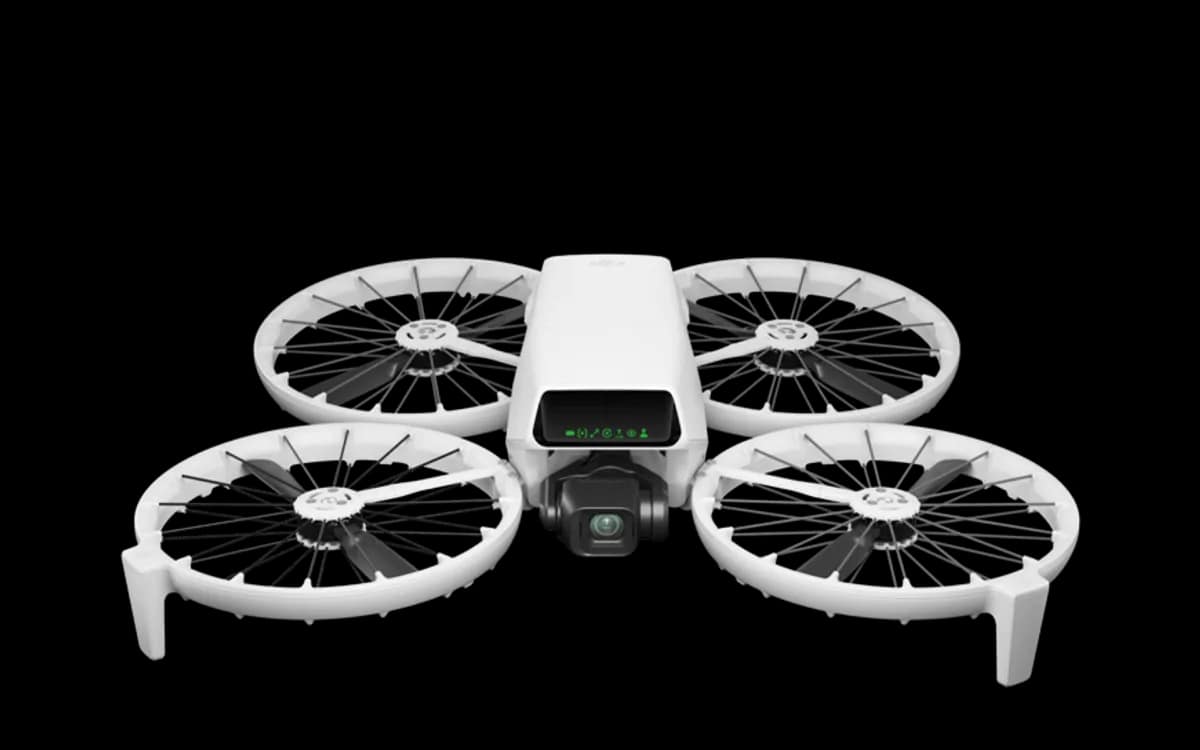 Drones
DJI Flip or Mini 4 Pro: which to choose?
The DJI Flip protects its propellers, the Mini 4 Pro sees in all directions. Two opposite ways of securing a flight among people.
4 min read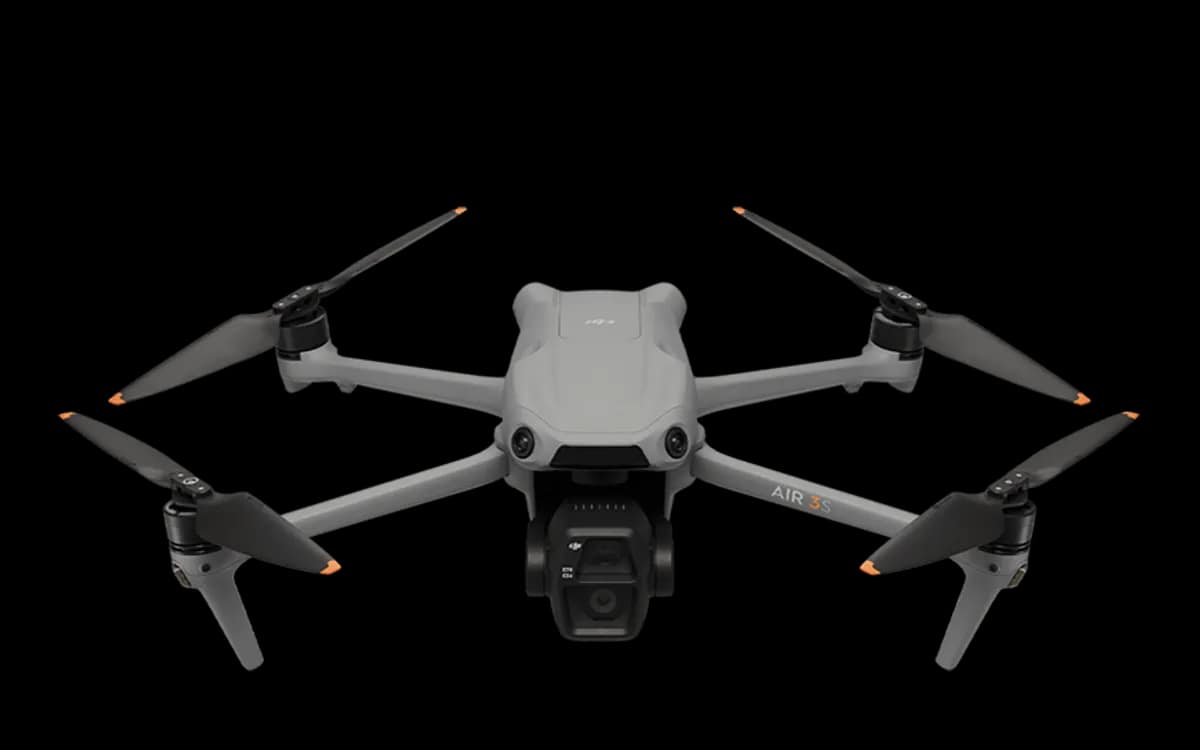 Drones
DJI Air 3S or Mini 5 Pro: which one to choose?
Both feature a 1-inch sensor. But 724 g versus 249.9 g, it's not just a question of bag: it's a change in regulatory class.
4 min read