
Action & 360 cameras
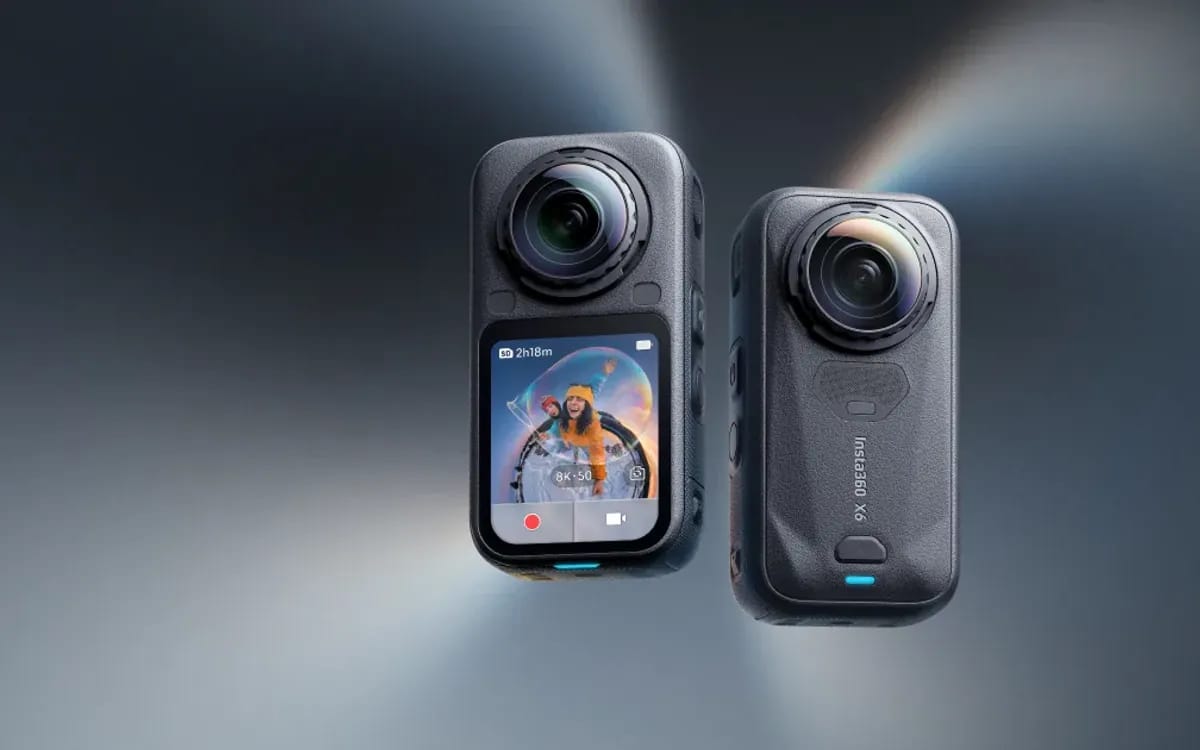
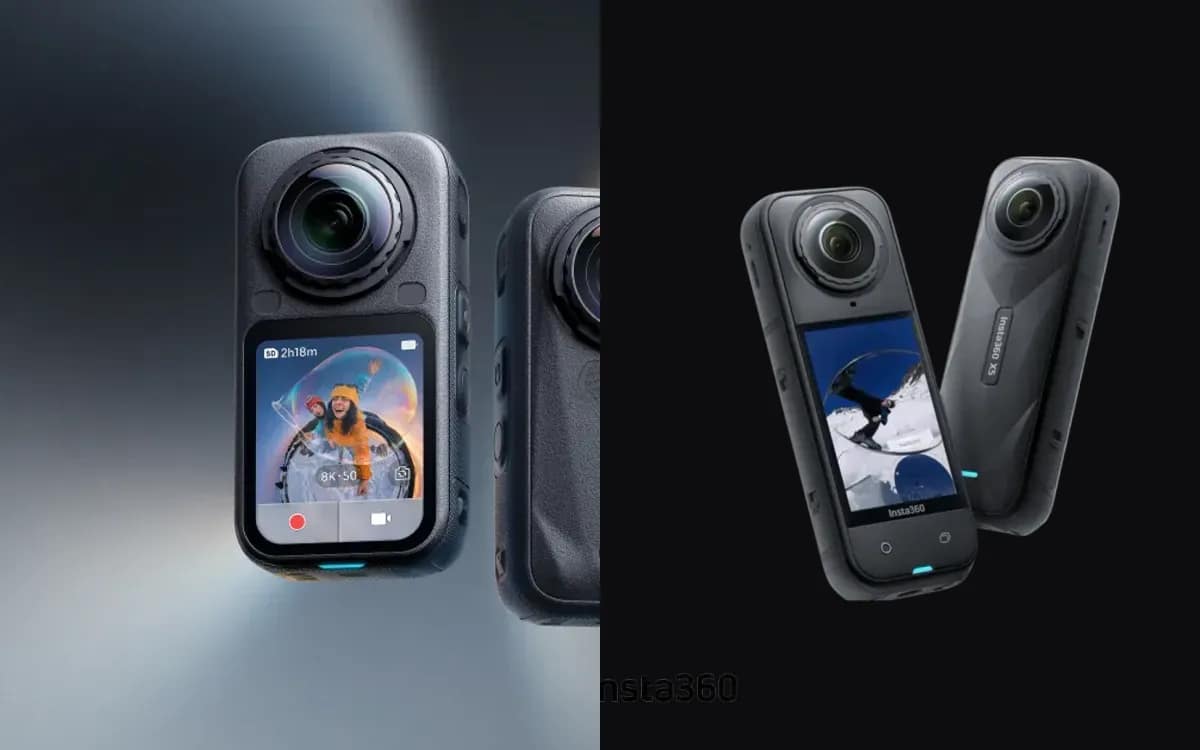
Insta360 X6: 8K is not the new thing
 Manufacturer visual · Insta360
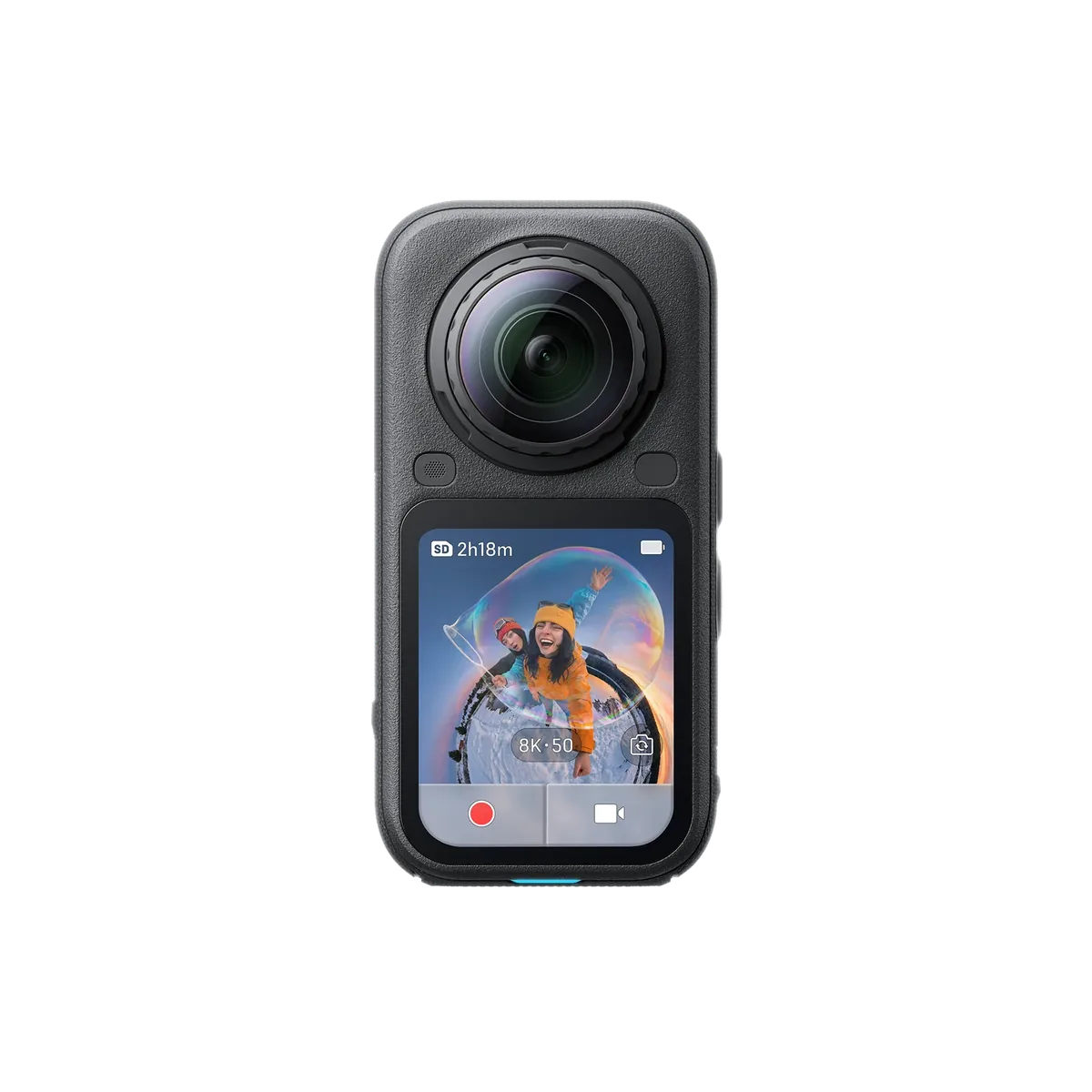
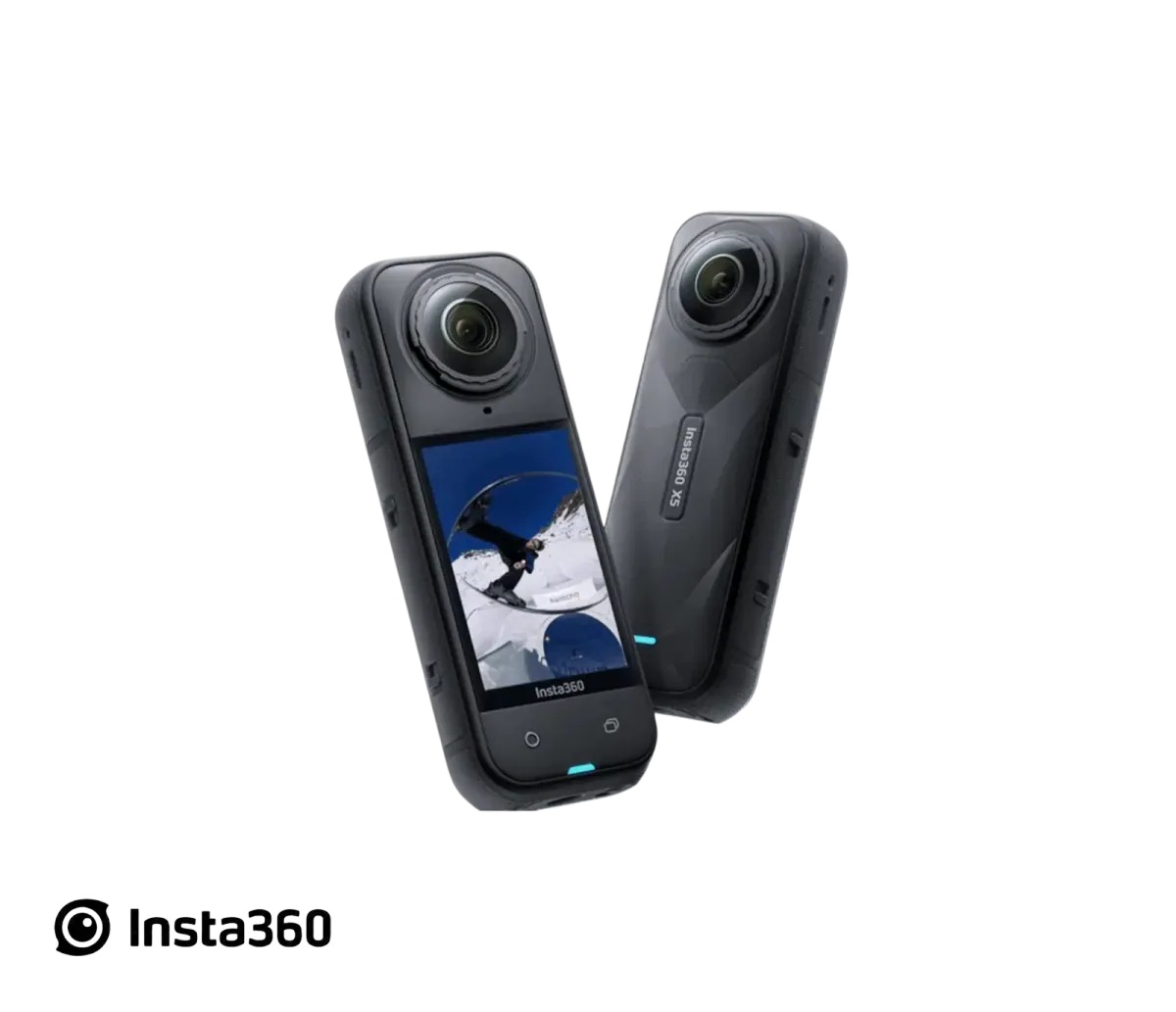
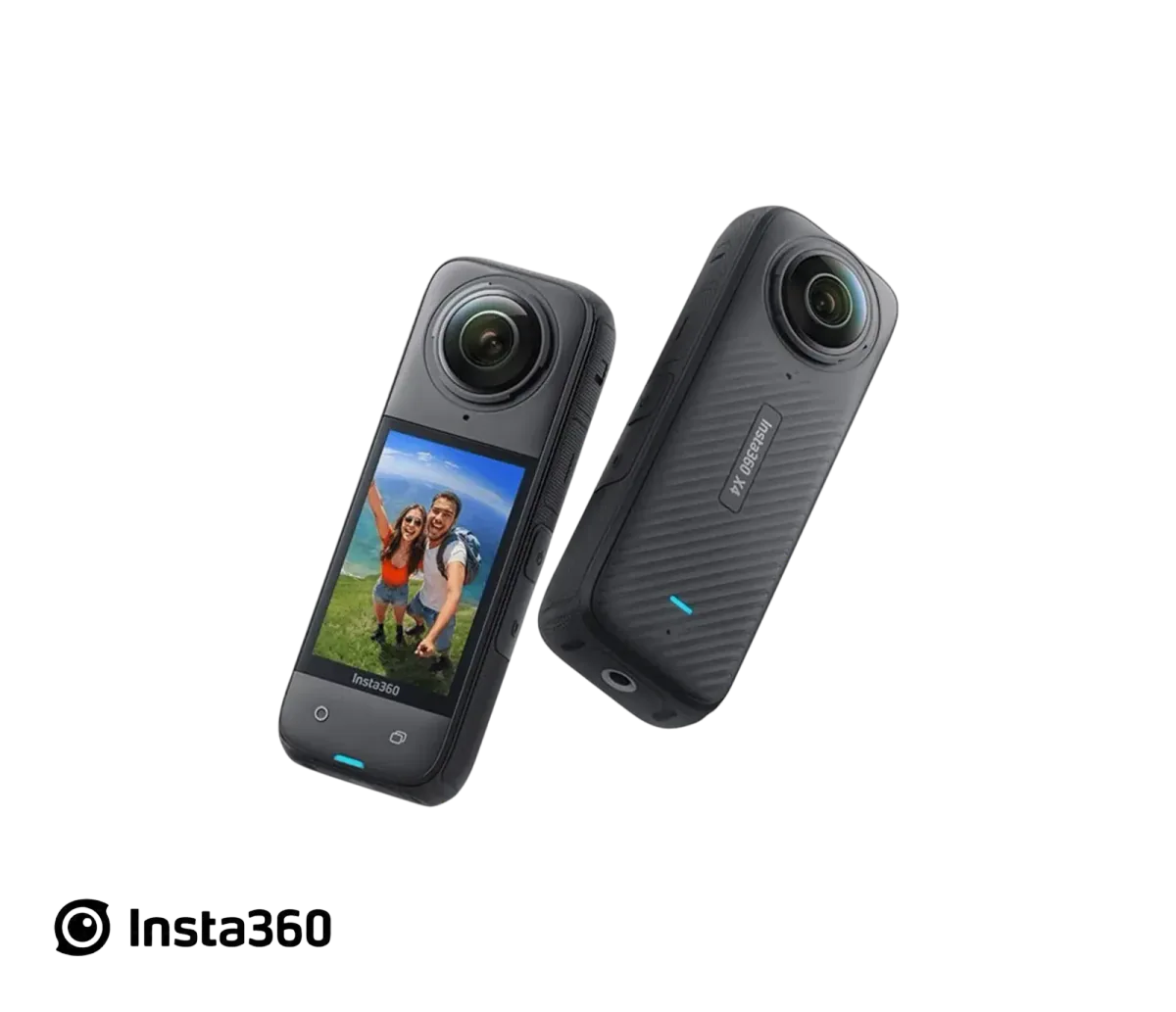
A phrase has been circulating since August 12, 2026, the day the Insta360 X6 was released: “finally 8K in 360”. It is false. TheInsta360 X4 and the Insta360 X5 already film the complete sphere in 8K, or 7,680 × 3,840 pixels, at 30 frames per second — it’s written on their files, and they are commendable today. What X6 adds is not definition, it is cadence: 50 images per second instead of 30. It is not the same thing, and it does not serve the same purpose.
Cameras and drones delivered to 9 countries (France, Germany, Belgium, Spain, Italy, Luxembourg, Monaco, Netherlands and Portugal): 360 camera rental.
Three models, a single column that moves
| Model | Maximum sphere | Cadence to this definition | Autonomy announced in 8K |
|---|---|---|---|
| Insta360 X4 | 8K — 7680 × 3840 | 30fps | 75 mins |
| Insta360 X5 | 8K — 7680 × 3840 | 30fps | 93 mins |
| Insta360 X6 | 8K | 50fps | Not verified by us |
Only one column changes value. It's not much, and yet it's the only thing you have to look at: the definition is identical on all three, and the novelty lies entirely in the number of images per second.
So where does the “5.7K” that we still oppose to 8K come from? From the previous generation: this was the maximum of the Insta360 X3, released in 2022 and absent from our catalog. On a X4 as on a X5, 5.7K is no longer a ceiling but a saving mode — it is even in this mode that their sheets announce their best autonomy, 135 minutes compared to 75 or 93 in 8K. Putting the X5 in the 5.7K column, as we often read, amounts to removing an ability that it has.
 Manufacturer visual · Insta360
The cropping margin does not move
This is the corollary that is surprising. In 360, there is no framing when filming: the camera records the entire sphere and you choose afterwards where to look and over what width. The margin you have to tighten therefore depends on the number of pixels spread over 360°, and this number is identical on a X4, a X5 and a X6: 7,680 pixels wide. A shot extracted over a 90° field of view, that of a classic lens, comes out at 1,920 pixels in all three cases – exactly 1080p.
In other words: if your need is to find a face in editing in a wide scene, X5 and X4 already give you exactly the same margin as X6. Waiting for something new for this reason would not make sense.
What 50 frames per second really does
- Slow motion. Reduced on a timeline at 25 frames per second, 50 fps gives slow motion twice as slow, frame by frame, without software interpolation. At 30 fps, there is no clear slow motion: you have to produce intermediate images, and this is visible on the edges.
- Fast subjects. Each image is exposed for half the time. A skier, a bike, a dog crossing the frame remain sharp frame by frame instead of trailing a blur of motion - and no amount of cropping can catch up with this blur.
- Edit tracking. When you move the frame around the sphere to follow someone, a high frame rate makes that movement smooth instead of jerky. This is the difference that is seen most quickly on the screen.
 Manufacturer visual · Insta360
What cadence costs
It's arithmetic: twice as many images to write every second, therefore larger files, a memory card that fills up twice as quickly and a battery that goes down faster. This is why the 1TB SanDisk Extreme microSD card is automatically included in our Insta360 rentals: on a day in 8K at 50 fps, a 128 GB card fills up before lunch.
On the actual autonomy, we will not put forward a figure until the device is in our hands. The verifiable benchmarks are those of the models we rent: 93 minutes in 8K at 30 fps for the X5 , 75 minutes for the X4 . A doubled pace is never paid for in zero minutes.
Three cases where 30 frames per second is enough
- You film with a pole, while walking, with your family. The subject moves at the speed of a step: 30 fps does not jerk.
- You publish the sphere as is, in interactive 360 video or in headphones. The viewer chooses where to look, but nothing moves any faster.
- It's dark. A high frame rate shortens the exposure time of each image: in low light, it works against you. It is the size of the photosites and the treatment of the noise that decides, a subject treated separately in filming at night with an action camera.
 Manufacturer visual · Insta360
What to remember before renting
The useful question is not “what definition” — it is settled, all three models give the same — but “what is moving in my plane, and at what speed”. A wedding meal, a visit, a landscape: the Insta360 X5 gets the job done, and she's leaving this weekend. A ski descent that you plan to slow down during editing: that's precisely what 50 fps adds.
The Insta360 X6 has been in our rental catalog since 27 August 2026, in a standard pack, with the X5 accessory base — X6 The Insta360 Mic Pro microphone is optional. The details appear on his file. The X5 and the Insta360 X4 can also be rented, with the same 8K sphere and the same accessory base; if you are unsure between them, our comparison X4 or X5 decides on the real prices, and buy it or rent an X5 raises the question of buying.
For the practical side — security deposit, duration, pickup in Lyon or delivery — it is all gathered in Rent a Insta360 X6 in Lyon: instructions for use.
See also: Insta360 rental.
More in this section
 Manufacturer visual · Insta360Action & 360 cameras
Insta360 X4, X5 or X6: which one to rent?
We rent the X4, the X5 and, since 27 August 2026, the X6. The full picture, what the X6 really brings, and two errors circulating on its technical sheet that it is better not to repeat.
4 min read CC0 · Wikimedia CommonsAction & 360 cameras
Rent or buy a 360 camera: the threshold in days
The threshold exists, but there is not just one: it shifts depending on whether you rent by the day, the weekend, the week or the month. All of them, for the X4 and X5.
3 min read Manufacturer visual · Insta360Action & 360 cameras
The invisible pole in 360: instructions for use
The shot that gives the impression that a drone is following you does not come from a drone, but from a €30 boom. Here's how it works and why it sometimes fails.
5 min read