
Services
Access to the venue: what stalls a shoot on the day
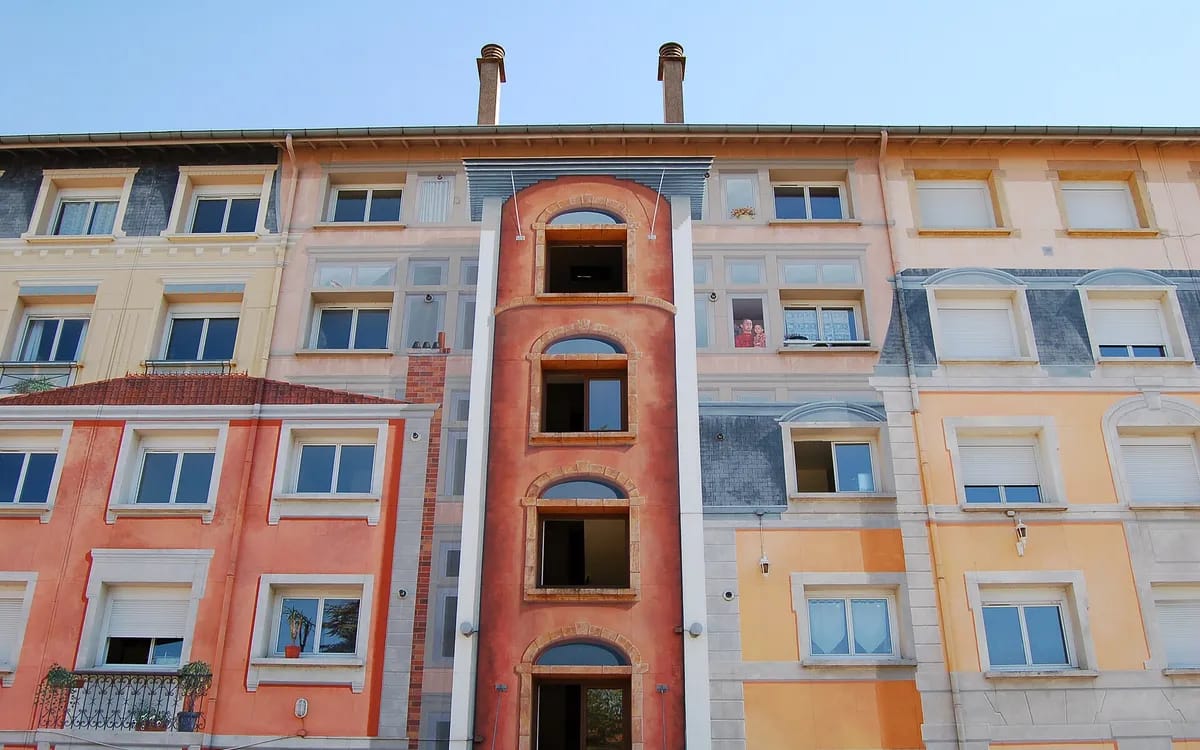
When a shooting day goes wrong, the camera is almost never the cause. What costs you the lost hour is a door. A code nobody gave me, a caretaker away at lunch, a lift too narrow for a tripod. None of it shows on a map, none of it can be fixed in the edit, and all of it takes five minutes to settle the day before.
The five doors that close
- The entry code. The gate one, the lobby one, and sometimes a third for the room the gear goes through. All three are given the day before, not on the doorstep.
- The person who opens up. A name, a mobile number, and a second person if the first does not answer. A caretaker is not as reachable on a Saturday as on a Tuesday.
- The named badge. Many office buildings issue a badge in the name of someone announced at reception. If my name was not announced, I stay at reception.
- The real opening time. A hall available from six until midnight is not open at five so you can set up. The set-up window is negotiated, never assumed.
- Permission for the common parts. The lobby, the stairwell, the courtyard, the roof terrace: they belong to the building, not to the occupant of the flat.
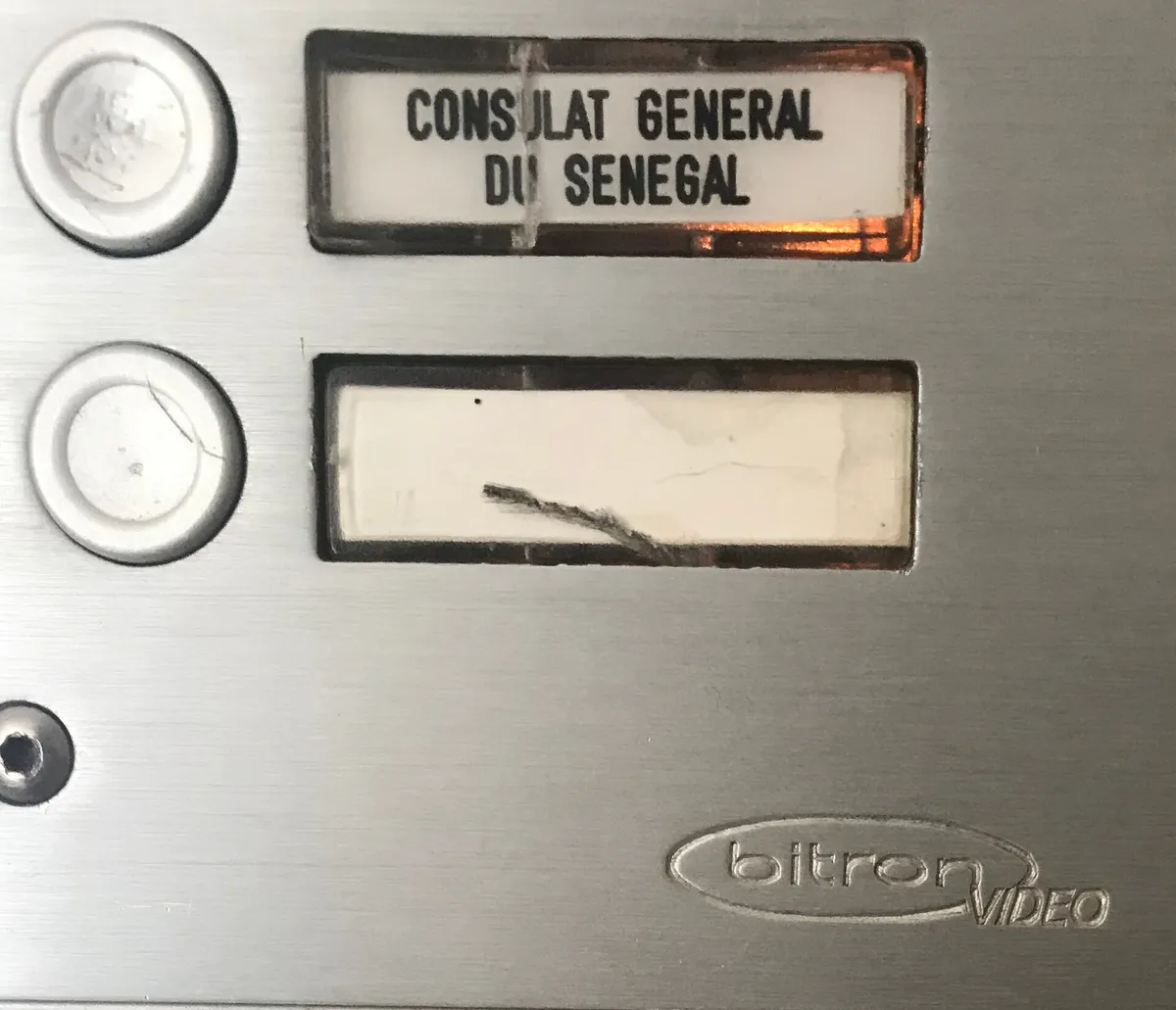
The door entry panel is the best test, and it costs nothing. If the label does not carry the name you gave me, nobody will answer. It happens more often than you would think: a recent tenant, a company name different from the shopfront, a label still bearing the previous owner’s name. Tell me the name written on the panel, not the one that ought to be there.
The stairs, the lift and the number of trips
A light job means two bags and a tripod. A full job means three bags, a tripod, a light stand and a case. In an old lift car the tripod goes in upright and nothing else fits beside it: that is three trips, not one. With no lift, double it, and count it both ways — packing down goes down the same stairs.
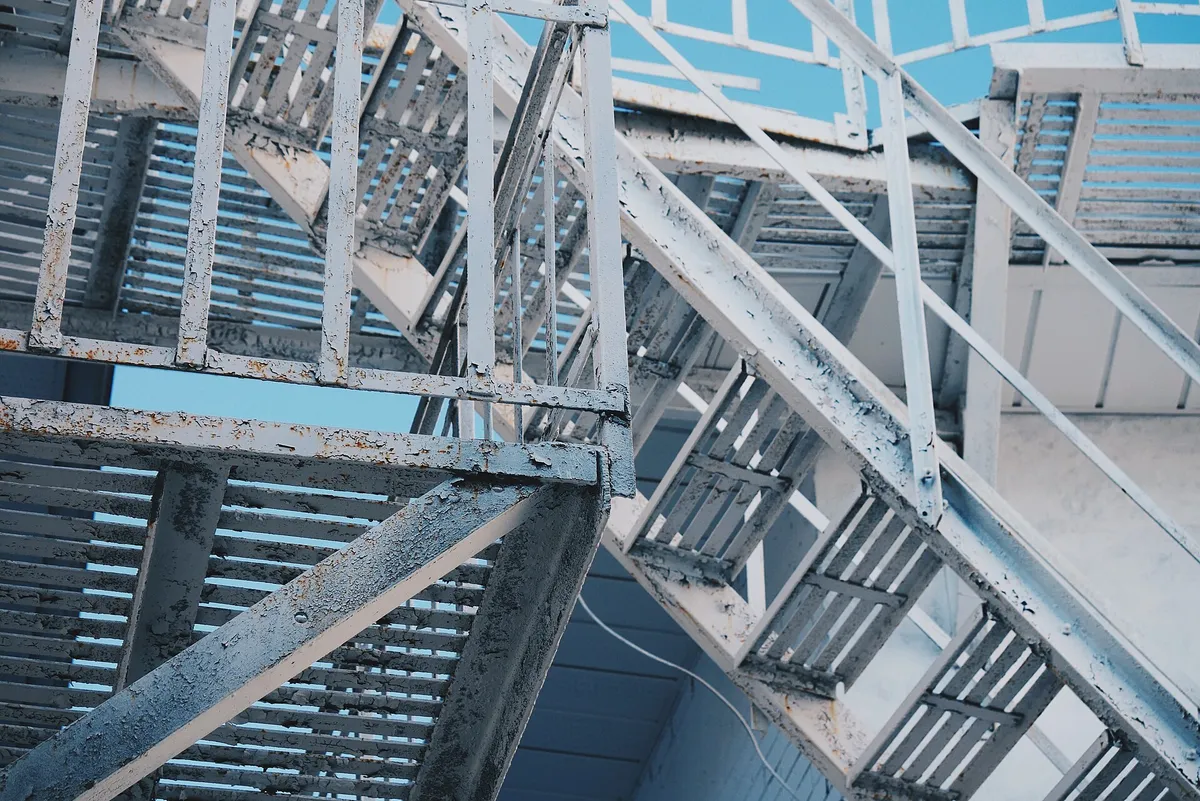
The service stairs, where they exist, are almost always the right choice: wider, quieter, and nobody ends up stuck behind a light stand. In a lived-in building that detail matters as much as comfort: a stairwell blocked on a Saturday morning means an unhappy neighbour, and an unhappy neighbour ends up calling someone.
Parking, unloading, leaving
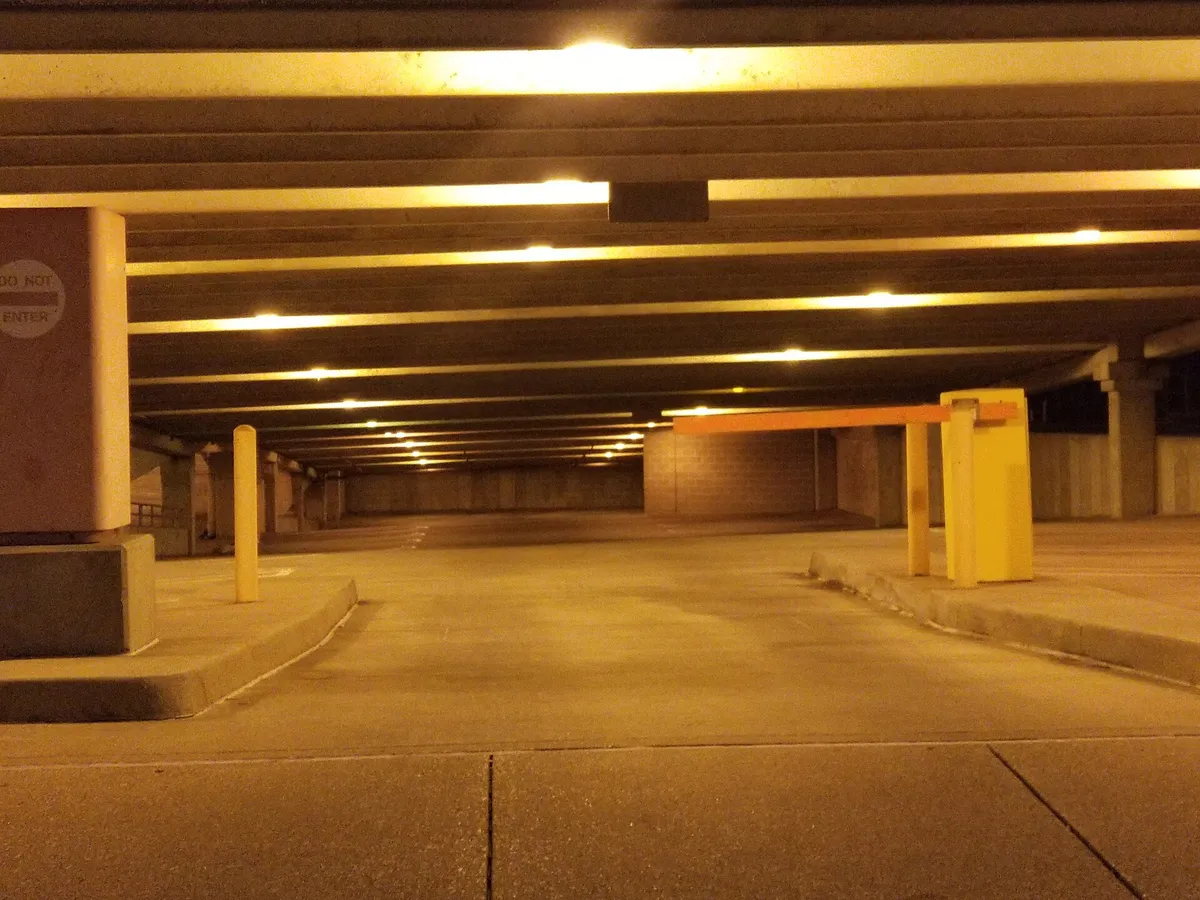
An underground car park is closed off by a barrier and by a height limit. Many ramps stop at 1.90 m: a van does not go down, and the gear ends up crossing two hundred metres of pavement. That is not serious, but it changes the arrival time, and it changes what you bring. Some city-centre streets are also closed to traffic at certain hours; that is checked for the exact address, never in general.
The six lines that save an hour
- The exact address and the floor, including which block and which staircase when there are several.
- The code, or the name exactly as it is written on the door entry panel.
- Who opens up, their mobile number, and a second name in case they do not answer.
- Where to unload, and where to park afterwards — they are rarely the same place.
- The time the door is actually open, which is not the same as the appointment time.
- What has to be announced in advance: reception, the caretaker, the managing agent, the neighbour below.
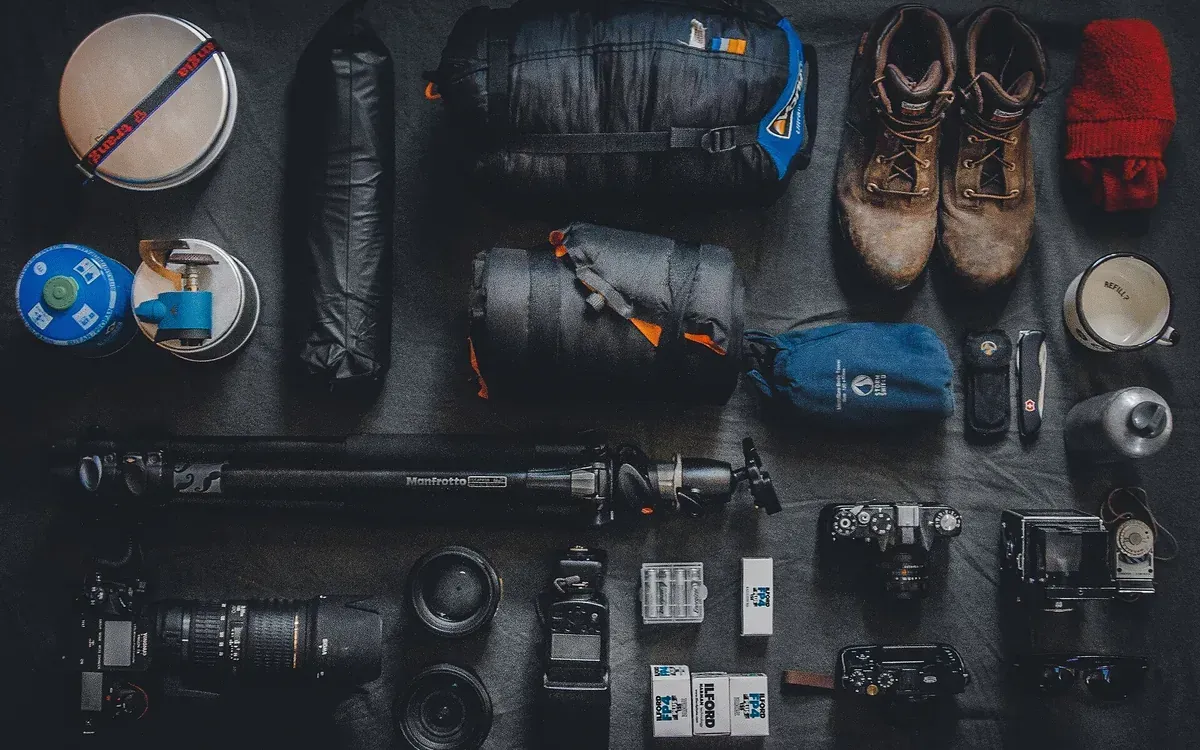
Those six lines fit in one message. They do not replace the shoot brief — what you want to show, to whom, and in what form — but they decide what time it starts. If you are preparing gear on your side, the renter’s checklist asks the same questions the other way round, and the event gear guide sets out what has to be on site before the guests are.
The special case of shared venues
A room hired by the hour, a shared workspace, a meeting room booked through software: these places share one trait, the previous slot always overruns. Nobody is acting in bad faith, but a workshop ending at two empties at quarter past, so the set-up starts at twenty past. On a one-hour job, that quarter of an hour is a quarter of the shoot.
The fix is simple and free: book the preceding slot, or move the stated time twenty minutes later. Tell me who is in the room before us and I will tell you which of the two to choose. In a place you do not have to yourself, the question is not when you get in, but when the previous lot get out.
When it still gets stuck
You never force a door, literally or otherwise. What you do is reverse the order: the exteriors get shot while you wait, the detail shots too, and the early light is not wasted on everyone. If nothing shifts after an hour, we take stock together rather than rushing in thirty minutes what needed a hundred and twenty.
The rest is prepared in writing. Describe the place as it is, not as it ought to be: those six lines belong in the job request, and I come back to you with the questions that are missing. For anything to do with gear you are preparing yourself, the renter’s checklist and the event gear guide take over; and if the question is simply where to collect the kit, delivery or pickup in Lyon answers it.
More in this section
 Services
360 tour or photo gallery: what the buyer sees
A gallery shows twelve chosen moments. An immersive tour shows a home. The difference is not the quality of the photos, but what they leave out.
2 min read Services
What an aerial shot adds to a property video
Seen from above, a property stops being a series of rooms and becomes a place again. It is the only image that answers “where exactly is this?”.
3 min read Services
Filming a wedding: what gets settled before the day
On the day itself there are no decisions left to make — only filming. Everything that makes the difference is settled in the weeks before. Here is what, and when.
3 min read