
Events
A party’s running order, seen by the camera
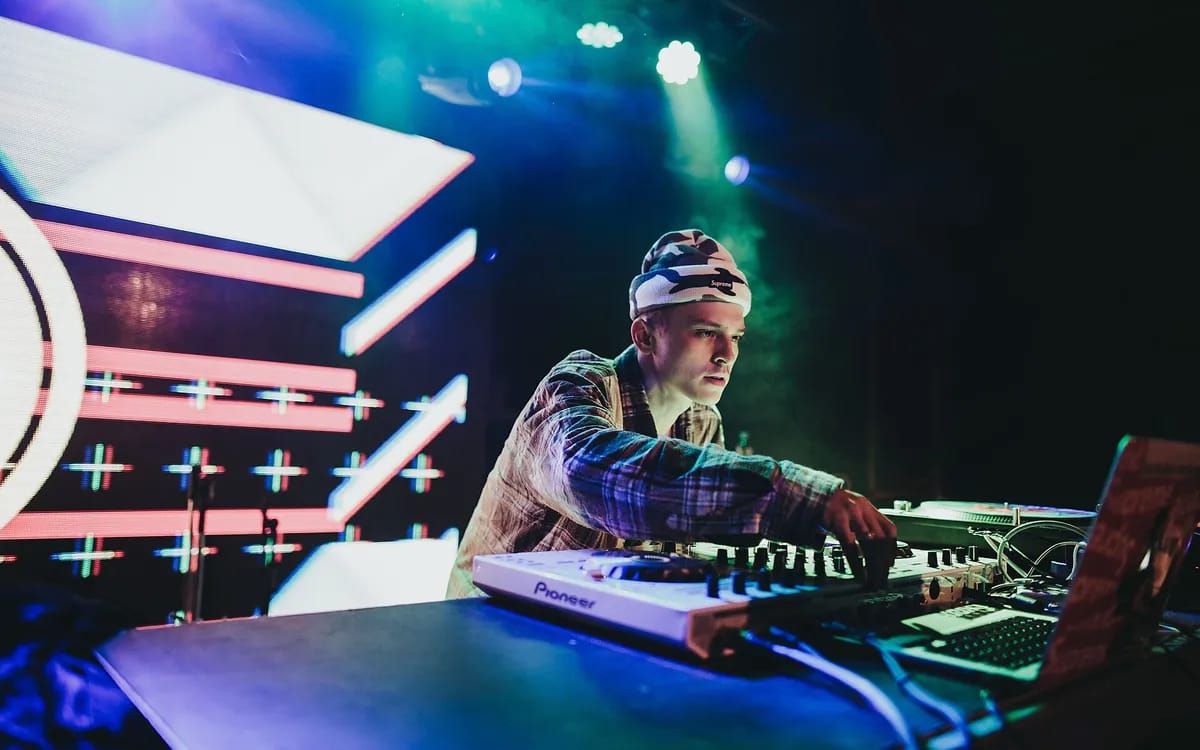
A party running order is a timetable: 7 pm arrivals, 8 pm dinner, 10 pm speeches, 11 pm first dance. Read by someone filming, that same table becomes something else — a shot list, where some images stay available all night and others happen exactly once. Confuse the two and you shoot a great deal, then go home with very little.
A time is not a shot
A party produces two kinds of image. The first are permanent: the dance floor, the tables, the laughter, the moving light. You can take them at 10 pm or at 1 am and they look alike. The second exist for one instant only: the couple’s entrance, the line from the best man that silences the room, the moment somebody starts to cry. They give no warning.
All the preparation comes down to that: knowing which is which, and never filming a permanent image while a one-off image is happening six metres away. That is why I ask for the running order beforehand, not on the night.
The hour when the room is still empty
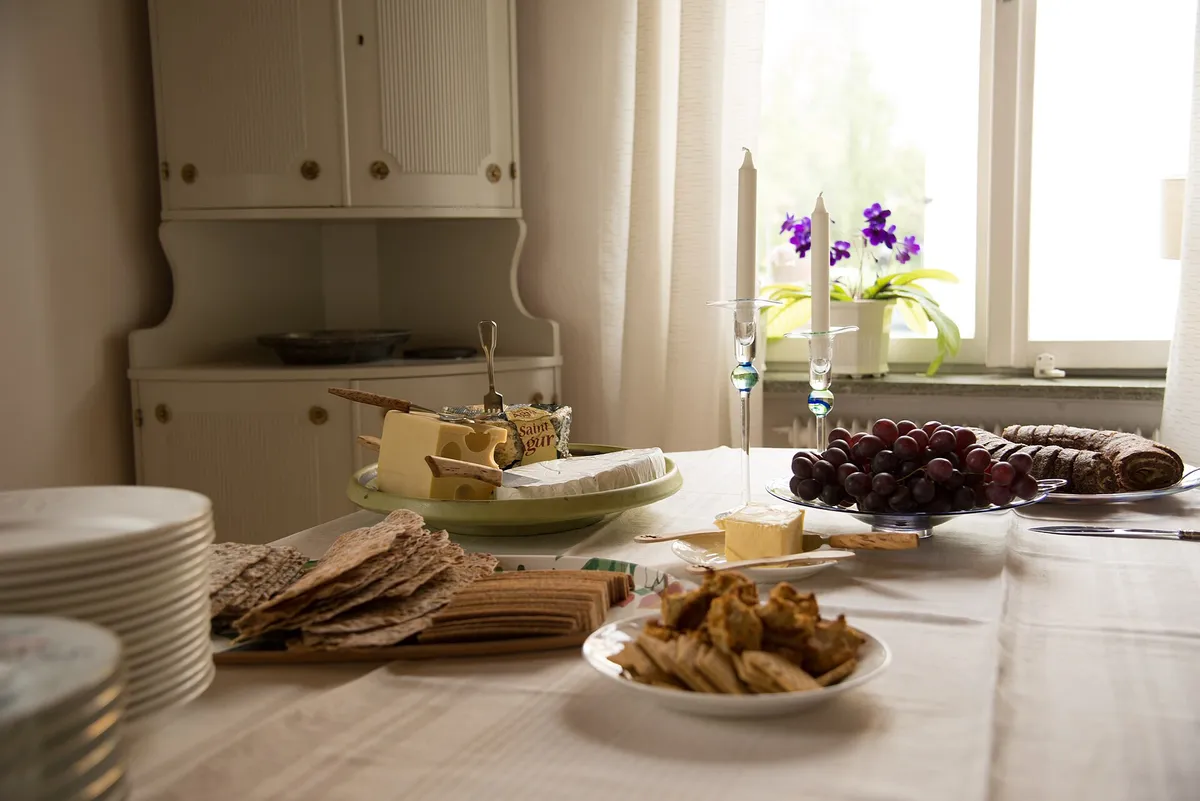
The best moment of the evening, for the camera, is the one where nothing is happening. The room laid out, the candles lit, nobody seated yet: that shot opens the film. It lasts twenty minutes and it vanishes the moment the first guest drops a bag on a chair.
It is also the hour when I scout the rest: where people come in, which way the light falls, where the sockets are, and where I will be able to stand during the speeches without crossing the photographer’s frame. A poorly scouted evening is paid for all night, in movements you can see on screen.
The five minutes that are never played twice
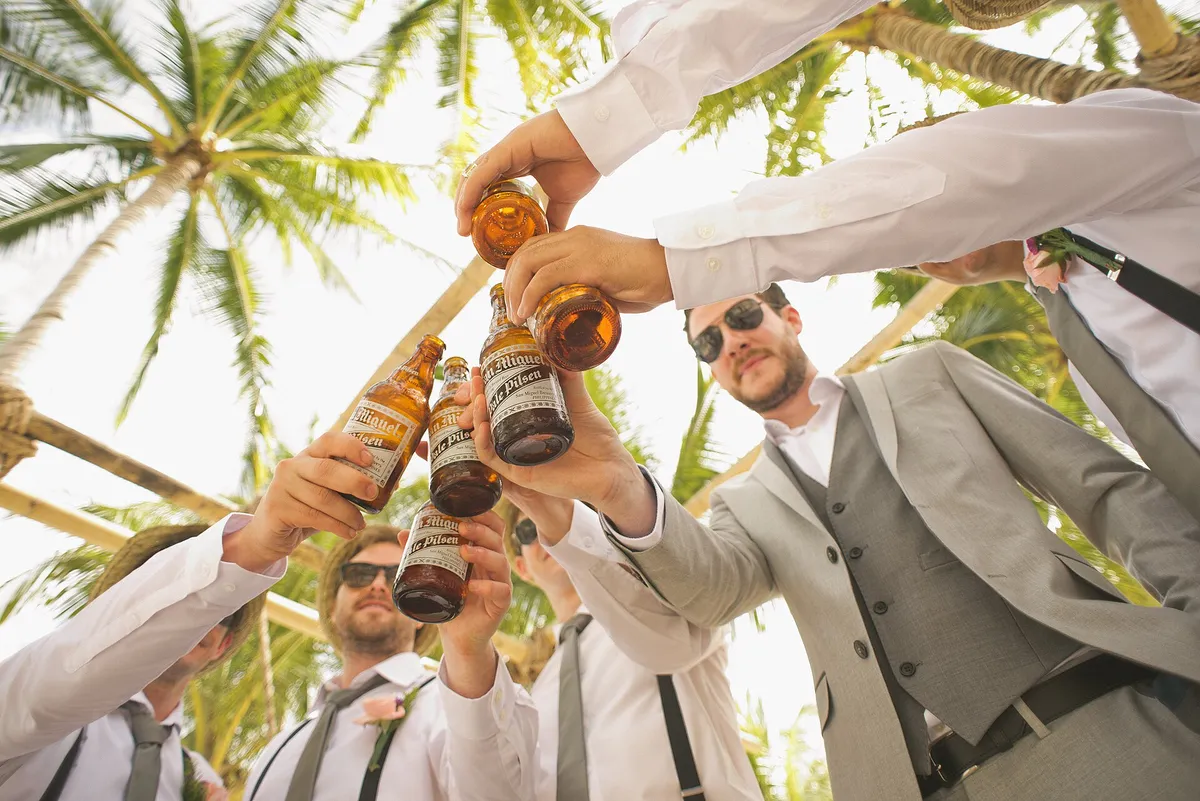
The speeches are the only moment of the evening where picture and sound must both be right at once, from the first word to the last. Miss a shot on the dance floor and you take ten more. Cut a speech in half because a card is full or a battery dies, and there is nothing to retake — and it is almost always the sequence the family watches first.
- Know WHO speaks, and in what order. A surprise speaker is a missed shot.
- Know WHERE they will speak. A speaker who wanders while talking changes the frame three times.
- Plug into the PA when there is one. A camera at the back of the room mostly records the ventilation and the cutlery.
- Stay still. A zoom during a moving sentence draws the eye to the camera, not to the person.
On the sound side the question was settled long ago, and it does not depend on me: the speech microphone is set up with the DJ or the sound supplier, ten minutes beforehand, in the full room and not in a living room the night before.
The switch, then the peak
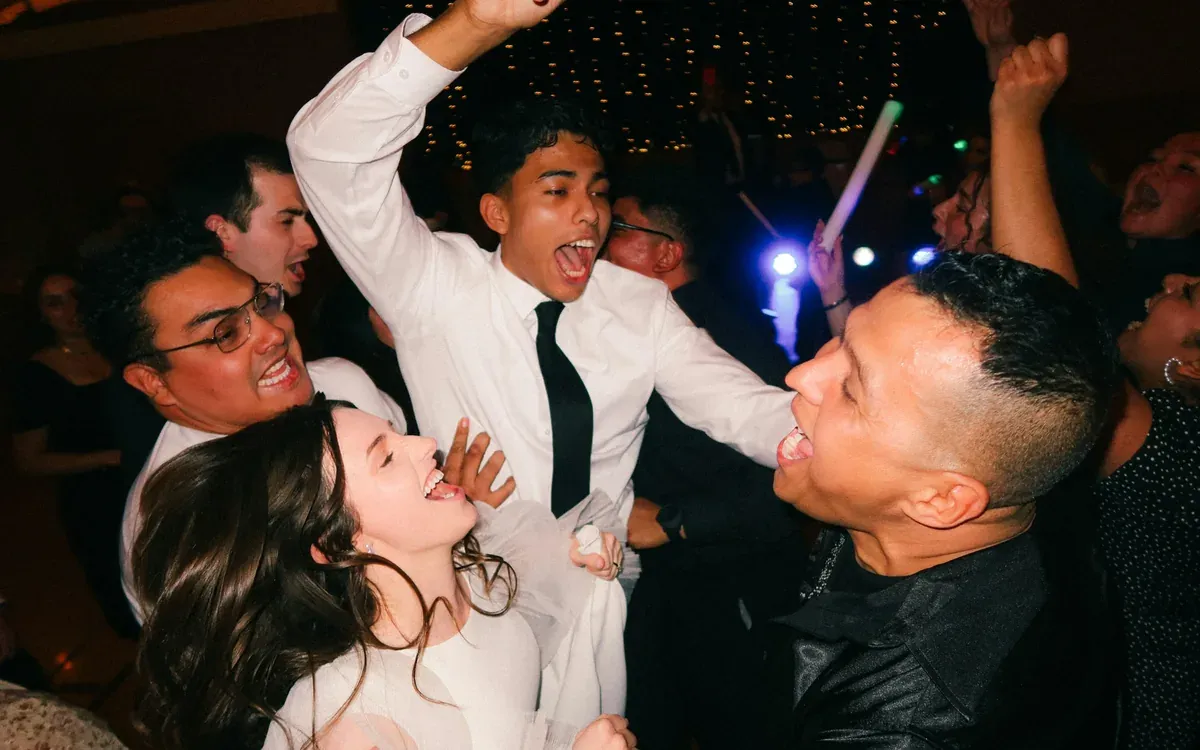
After the speeches, the evening switches. The first dance is the last written moment of the programme; everything after that is improvised. It is also the moment the light changes completely: you go from a lit room to a set of moving coloured spots, and a camera still set for dinner then delivers a dirty picture.
The peak of the evening comes later than you think — often an hour after the floor opens, when the people who did not dare are finally on it. It is the shot everyone wants, and it is the one you miss by having filmed a half-empty floor for forty minutes. The guide to event gear covers the equipment; the subject here is timing.
Delay does not spread out at random
One evening in two runs late, and the delay always builds up on the same side: before dinner. So the speeches come later than planned, almost never earlier. That is good news for framing — there is time to reposition — and bad news for batteries, which were charged against the theoretical schedule.
| Moment | What can be retaken later | What happens only once |
|---|---|---|
| Arrivals | The empty room, the table details | The couple’s or hosts’ entrance |
| Dinner | The tables, the conversations, the laughter | The serving of an announced dish, an unplanned toast |
| Speeches | Nothing | Everything, from the first word to the last |
| Dance floor | The dancing, the colours, the atmosphere | The first dance, the peak of the night |
The shot nobody asks for
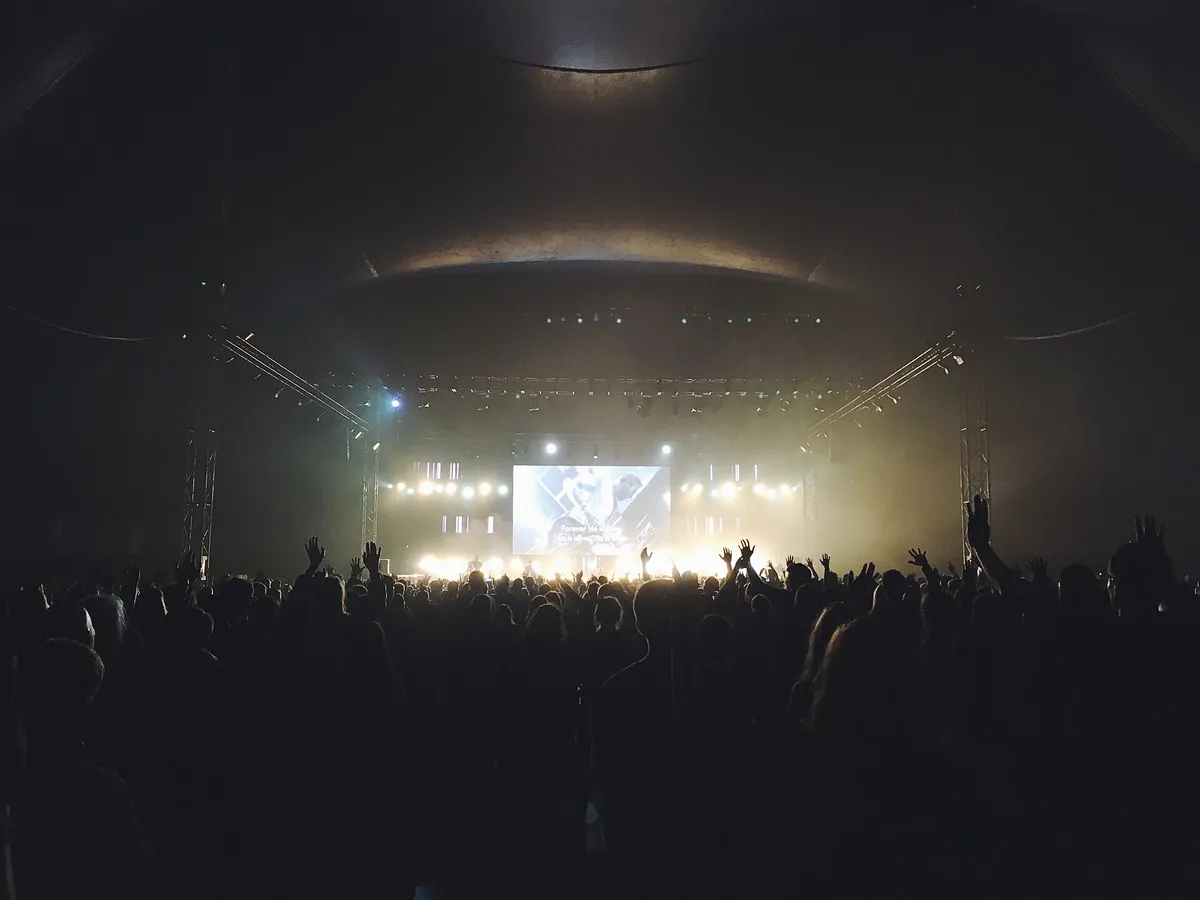
There is a shot nobody orders and I always take: the room seen from the back, wide, without moving, a full minute. It does not serve the main edit. It serves to show the numbers, the light and the volume — what close-ups, by construction, never show.
The same shot taken three times over the evening — at dinner, at the speeches, at the peak — tells the progression better than any commentary. That is three minutes of shooting for a sequence I have never regretted having.
What I ask you for beforehand
- The running order, even a rough one, with the names of whoever speaks.
- The moments not to be missed. If there are more than three, we rank them together.
- The time when the room light switches over to the stage rig.
- Who decides, on site, when something shifts.
A running order sent the day before changes a great deal; the same running order recited over the PA while I am setting up changes nothing. Describe your evening in the service form, with the time of the speeches if you know it: that is the line that makes the most difference. And if you would rather film it yourself, the audiovisual gear checklist answers the same question from the other end.
More in this section
 Events
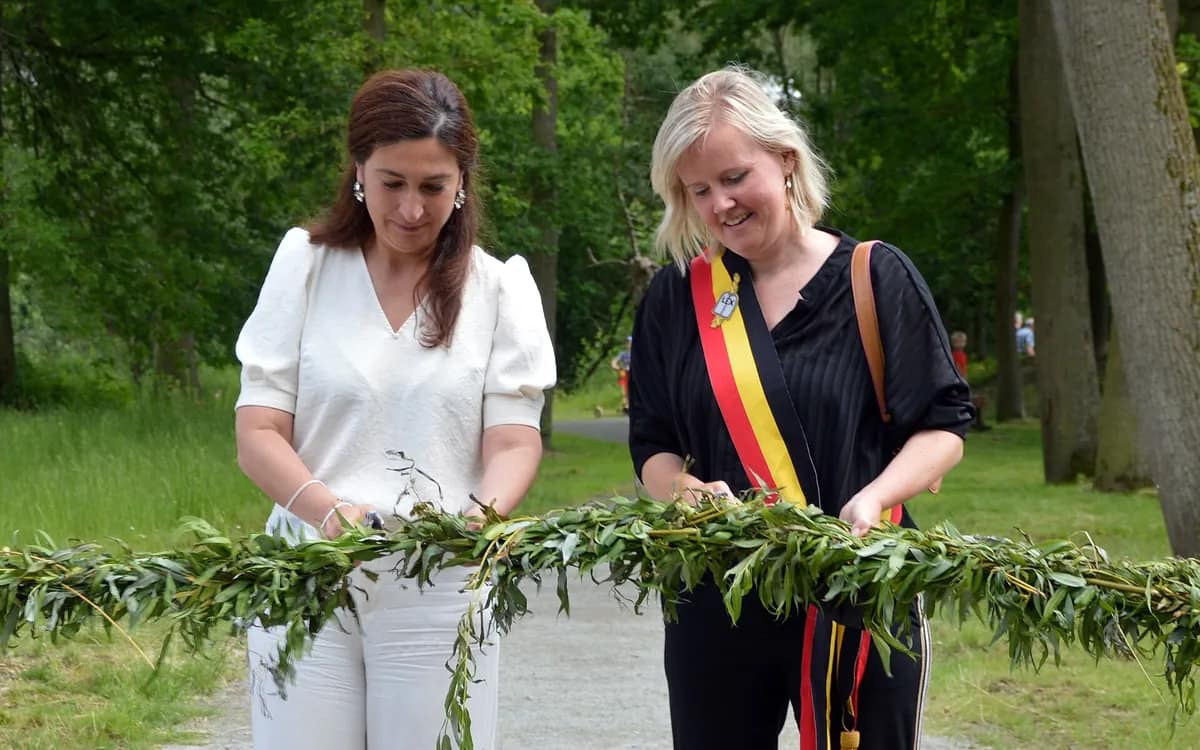
An opening, an open day
A place that fills then empties in three hours, a ribbon cut in thirty seconds, and the shot you absolutely must have before the public arrives.
5 min read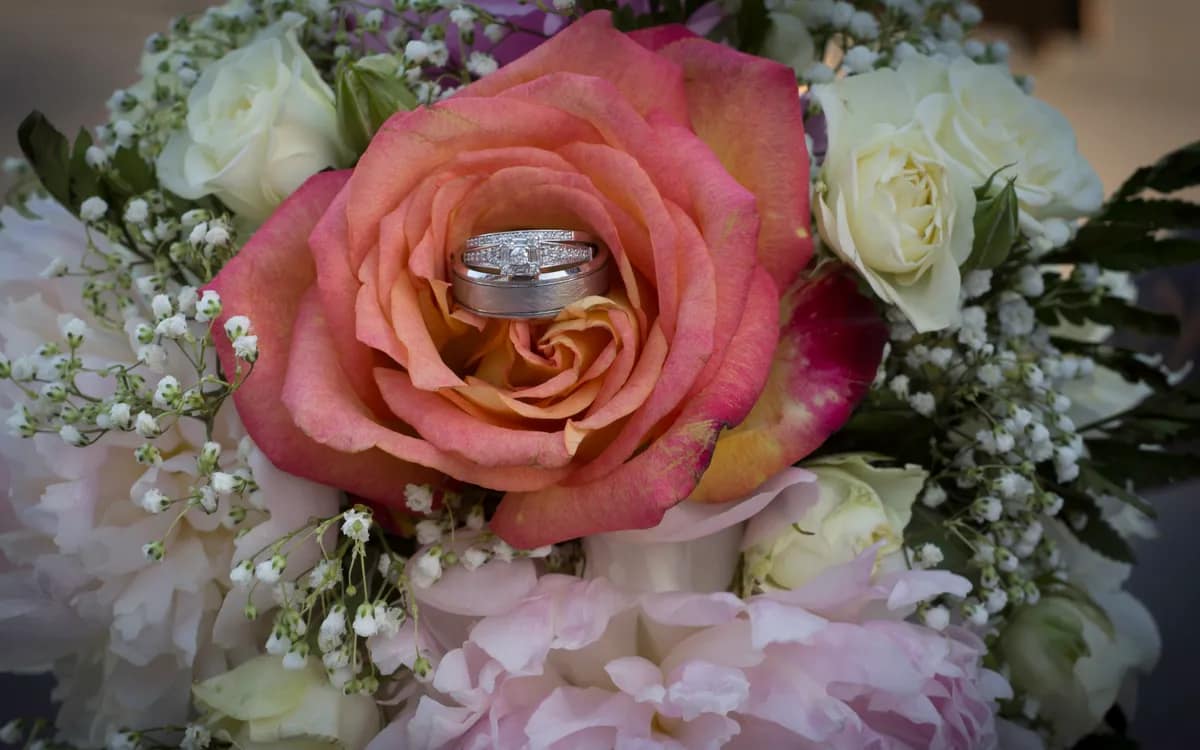 Events
Wedding photos: the moments not to miss
From waking up to the first slow dance, here are the moments of a wedding that count in photos, with the classic pitfalls of each and how to anticipate them.
4 min read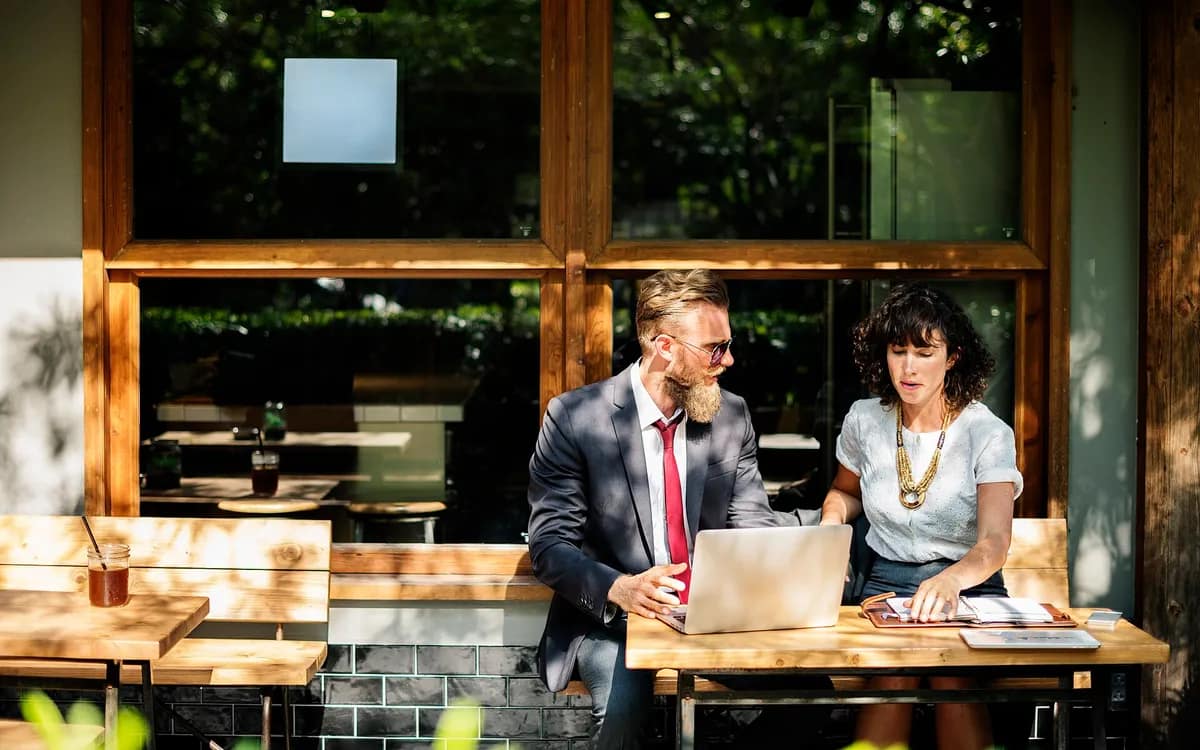 Events
Filming a corporate day without disrupting the programme
A seminar is not a shoot: it is an expensive programme that does not stop. How to place yourself, move around and be forgotten.
4 min read