
Action & 360 cameras
Photos taken from a video: what to expect
"Could you give us some stills from the video?" The question is asked on almost every shoot, and the right answer isn't yes or no. It's: yes for some images, no for others, and the line between the two is decided before filming, not when extracting the footage.
What you get: eight million points
An image extracted from a 4K film measures 3,840 pixels wide by 2,160 pixels high. The product of the two is 8,294,400 pixels, or just over eight megapixels. That's significant: it's the resolution of a mid-range camera from a few years ago, and far superior to what a screen displays.
Translated into print, at the usual density of 300 dots per inch, eight megapixels provide a comfortable image up to approximately 32 centimeters wide by 18 centimeters high. For a website, brochure, news feed, or standard-sized print, resolution is therefore never the limiting factor.
What you don't get: the internet on what's happening
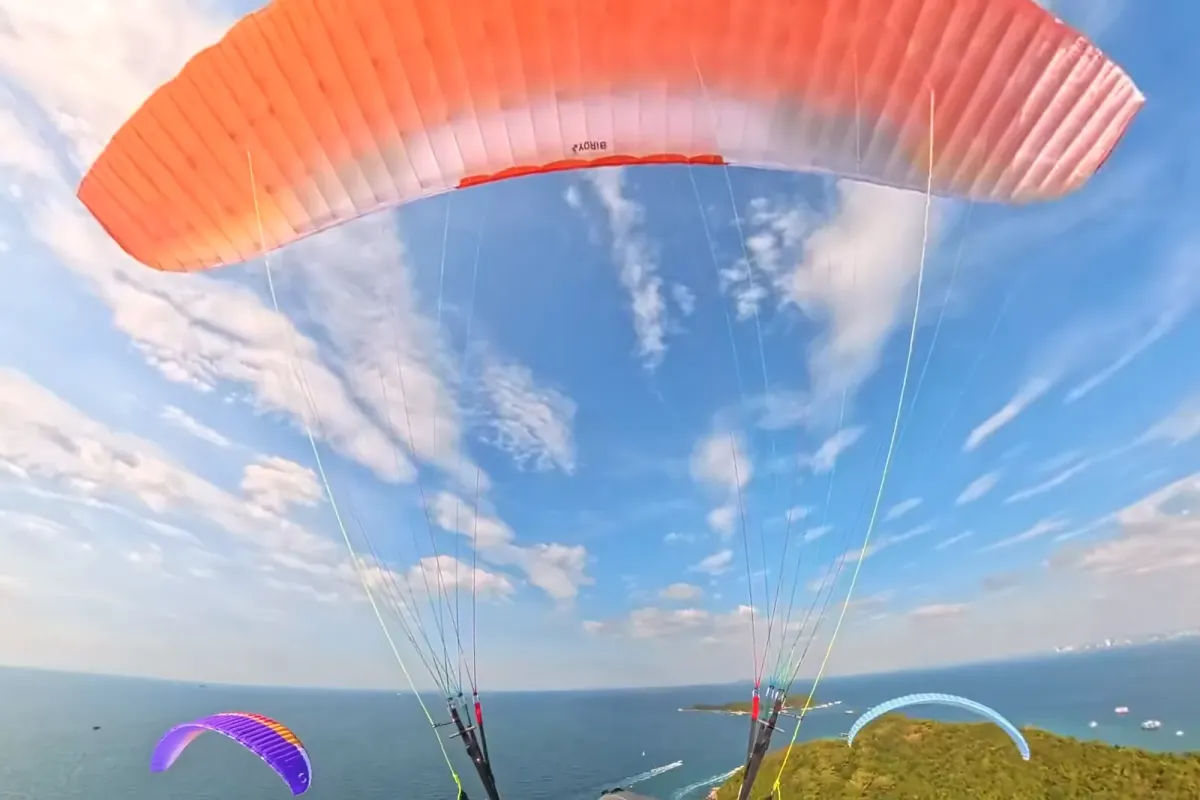
That's the real difference, and it has nothing to do with the number of pixels. A video is filmed with a shutter speed linked to its frame rate: at twenty-five frames per second, the convention is to expose each frame for one-fiftieth of a second. This isn't a whim—it's what gives the movement its fluidity on the screen.
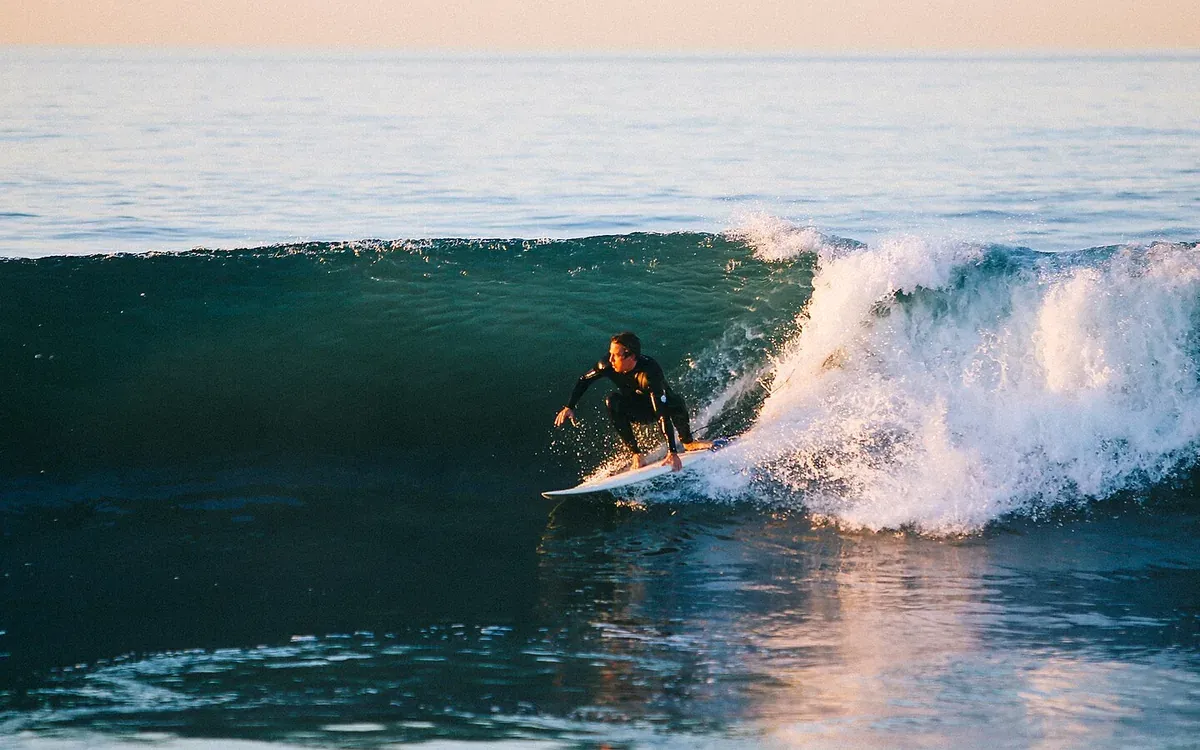
A fiftieth of a second is very slow to freeze anything. During that time, a clapping hand, a person walking, or a drawing board travels several centimeters in front of the sensor: the image records them stretched out. On screen, this blur is invisible; it's even part of the viewing experience. Frozen in time, it's immediately noticeable.
A photographer who wants to freeze the same scene in time can use a shutter speed of one five-hundredth of a second, ten times faster. If they were to set their camera this way for filming, the video would become jerky, each frame too sharp to seamlessly connect to the next. The two settings are mutually exclusive: this, and nowhere else, is where the trade-off lies.
There is a second, less dramatic but real factor: video is compressed over time. Most of its frames are not recorded in their entirety, but rather as the difference between the two. An extracted frame therefore contains less data than a photo file taken at the same moment, and it is less forgiving of subsequent adjustments—a sky to recover, a shadow to open up.
Three situations where extraction is perfectly sufficient
- The subject is still or slow. A place, a facade, a furnished room, a person speaking while seated: nothing moves fast enough for the blur to be seen.
- The image is intended for a screen. A website, a network, a presentation: the display format is very forgiving, and eight megapixels are a luxury.
- The shot is aerial. A drone moves slowly relative to the distance between it and the ground: the scene moves by very little, and the extracted images hold up remarkably well.
There is a fourth, more subtle case: the scene is moving but the light is abundant. In broad daylight, there's nothing wrong with filming at a faster shutter speed than conventional—the image becomes a little more dynamic on screen, and the shots gain significantly in sharpness. It's a deliberate compromise, decided before the first take, and worth discussing when stills are as important as the film.
And the setting, which is also not the same
One last detail, which is usually discovered when printing: a video is framed in 16:9, a standard print in 3:2, and a news feed often displays 4:5. Switching from one to the other, the cut rarely falls where you want it.
| Intended use | What the extraction yields | What you need to plan for |
|---|---|---|
| Website, networks, presentation | More than enough, for a slow or immobile subject | Nothing special |
| Print up to about thirty centimeters | Sufficient in definition | A subject with limited movement, and some margin around it for reframing. |
| Freeze action: jumping, dancing, sport | Insufficient — motion blur is present in the image | A camera, and often a second operator |
| Large print, poster, enlargement | Insufficient beyond a certain size | A dedicated photo shoot |

Why are these two separate cases?
In the application form, "Professional Photos" and "Professional Video" are two separate options, and this is not a commercial distinction. They are two incompatible settings on the same device, so in practice, two devices are required, and sometimes two passes over the same scene.
Checking both boxes doesn't mean paying twice for the same work; it means someone will have a camera ready when the scene freezes, instead of hoping to catch it later. And if you only need visuals for a website, one box is enough—stating this avoids adding unnecessary features.
With 360 footage the logic is slightly different: the angle can still be chosen afterwards, as our 360 editing tutorial and our guide to editing hardware explain. Motion blur, on the other hand, stays exactly the same — the classic action-video mistakes come back to it.
For a corporate film from which you also want to extract visuals, state this in the request: describe your corporate project and tick both boxes in the same request, rather than discovering the limit at delivery.
More in this section
 Action & 360 cameras
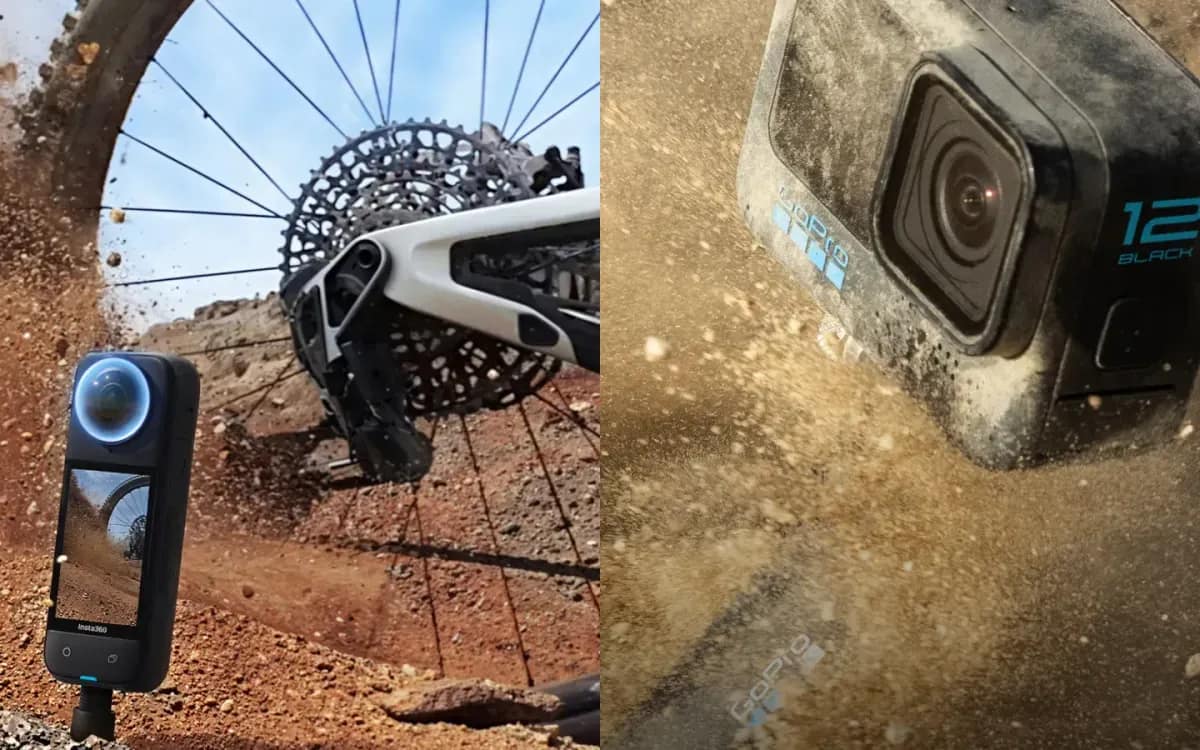
Motorcycle road trip: Insta360 X4 or GoPro HERO 12?
For a multi-day motorcycle road trip, here is what sets the Insta360 X4 apart from the GoPro HERO 12 Black, and what the HERO 13 would change.
6 min read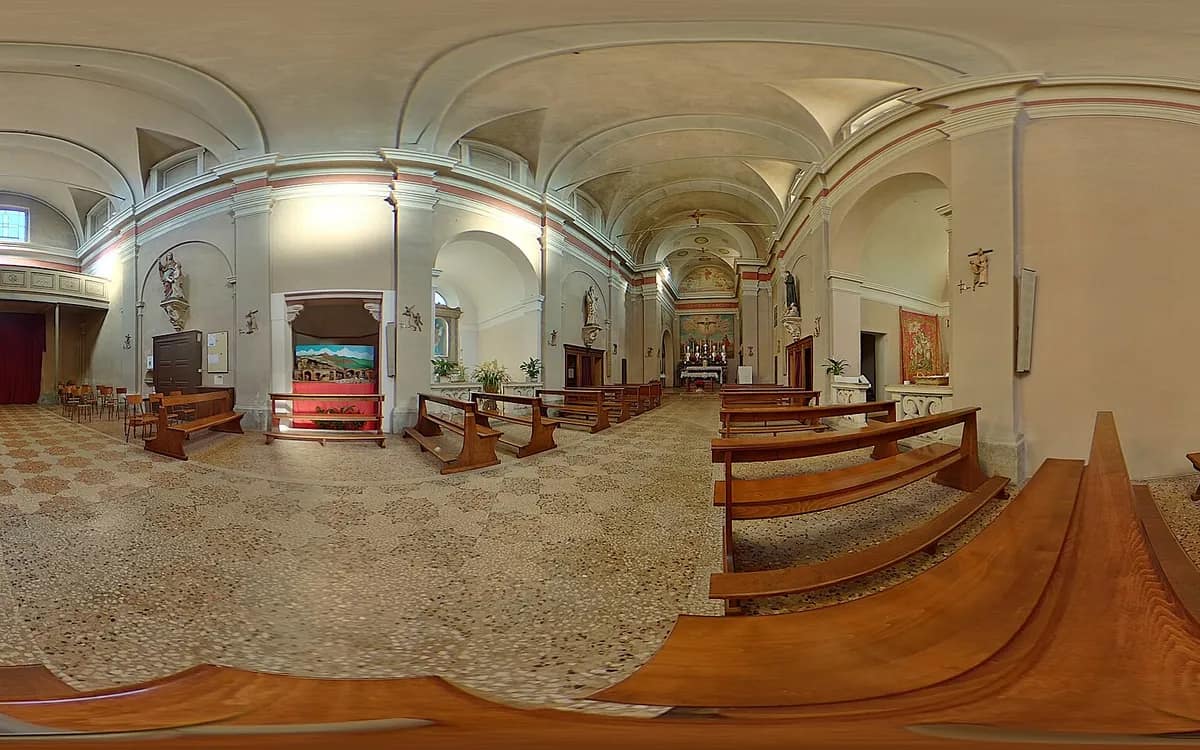 Action & 360 cameras
How many viewpoints for an immersive tour
The question is not “how many photos” but “where must the visitor be able to stand”. One shot per room is a floor, not a rule.
5 min read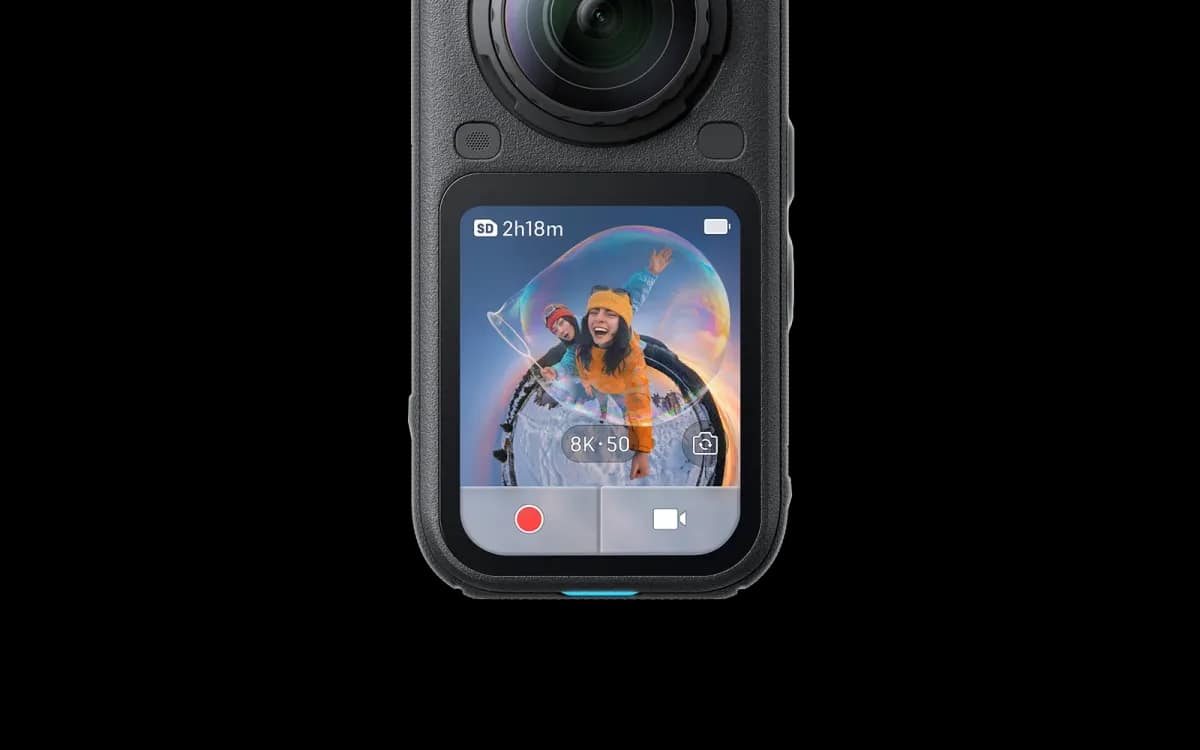 Action & 360 cameras
Insta360 X6: getting started, the first hour
The box is open and you have an hour before the first shot. The four settings that matter, the card, the lenses — and what I cannot tell you yet.
5 min read