
Drones
Which drone DJI to choose in 2026?
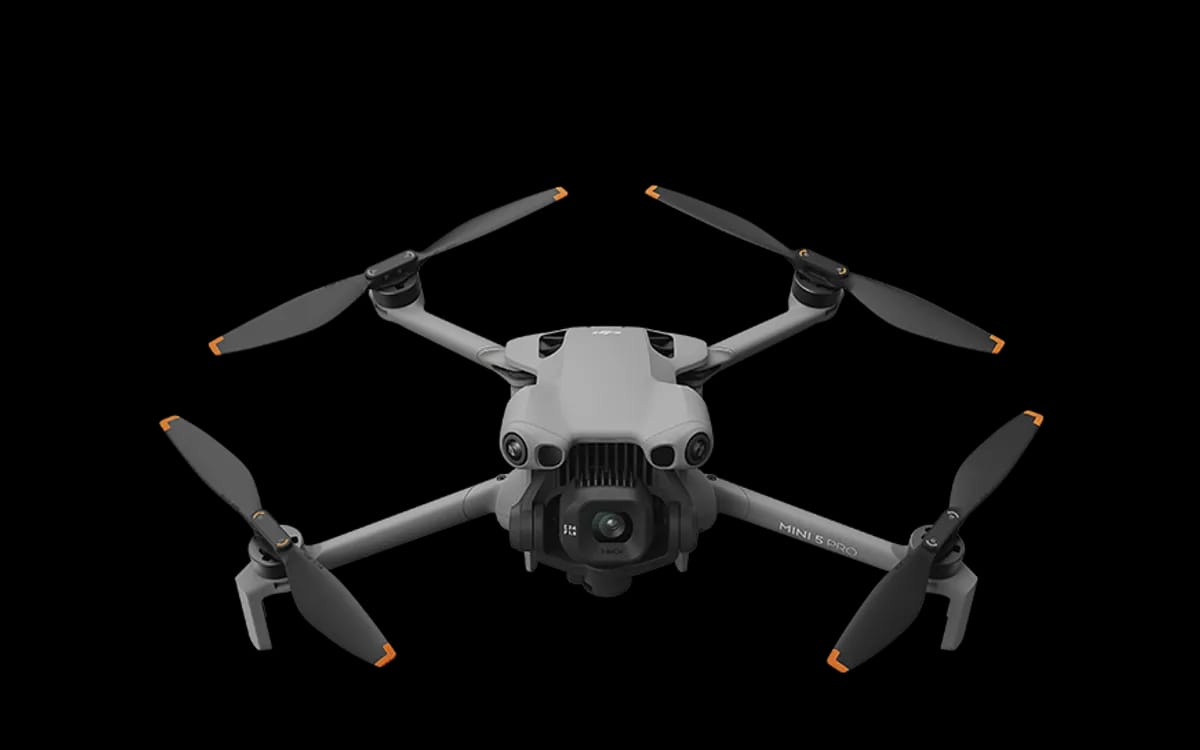
The question arises with each rental request: which one to take? In 2026, DJI brings together devices that have almost nothing in common, from a 151-gram camera drone to a quadcopter weighing more than a kilo equipped with three focal lengths. Deciding between them on the technical sheet alone leads to the classic error: paying for capacities that you will not use even once during the weekend.
Three criteria decide, the rest follows
The masses dictate the regulations. The sensor controls the image. The driving mode controls your pleasure on site. Everything else – number of automatic modes, theoretical range, photo resolution – is discussed afterwards, and rarely when choosing.
- Take-off weight: under 250 g, a drone carries the European C0 marking, the most flexible class in the open category. Beyond that, we move to C1 (less than 900 g) then to C2 (less than 4 kg), with rules on distance from people becoming stricter.
- The size of the sensor: a 1 inch sensor collects significantly more light than a 1/1.3 inch or 1/2 inch. This is visible at dawn and at the end of the day, much more than the number of megapixels displayed on the box.
- Piloting mode: some devices are launched by hand and follow you alone, others require radio control and real learning of framing. It's not a question of level, it's a question of desire.
| Model | Takeoff weight | EU Class |
|---|---|---|
| DJI Neo 2 | 151g | C0 |
| DJI Flip | less than 249 g | C0 |
| DJI Mini 4 Pro | less than 249 g | C0 |
| DJI Mini 5 Pro | 249.9g | C0 |
| DJI Avata 2 | approximately 377g | C1 |
| DJI Air 3S | 724g | C1 |
| DJI Mavic 4 Pro | approximately 1063 g | C2 |
Featherweights: Neo 2 and Flip
The Neo 2 weighs 151g without its optional transceiver. It takes off and lands in the palm, is controlled by gesture or with a DJI radio control, and follows its subject up to 12 m/s. Its sensor remains a 1/2 inch 12 MP open to f/2.2, and the autonomy is around 19 minutes, 17 with propeller protections. DJI announced it at €239 in Europe. It’s an outing companion, not a framing tool.
The Flip remains under 249g despite its foldable propeller guards which completely envelop the rotors. It features the 1/1.3 inch Mini 4 Pro sensor, films in 4K up to 100 fps, lasts 31 minutes and also takes off from the hand. Its limit lies elsewhere: it only detects obstacles forward, using a 3D infrared system, and downwards.
The heart of the range: Mini 4 Pro and Mini 5 Pro
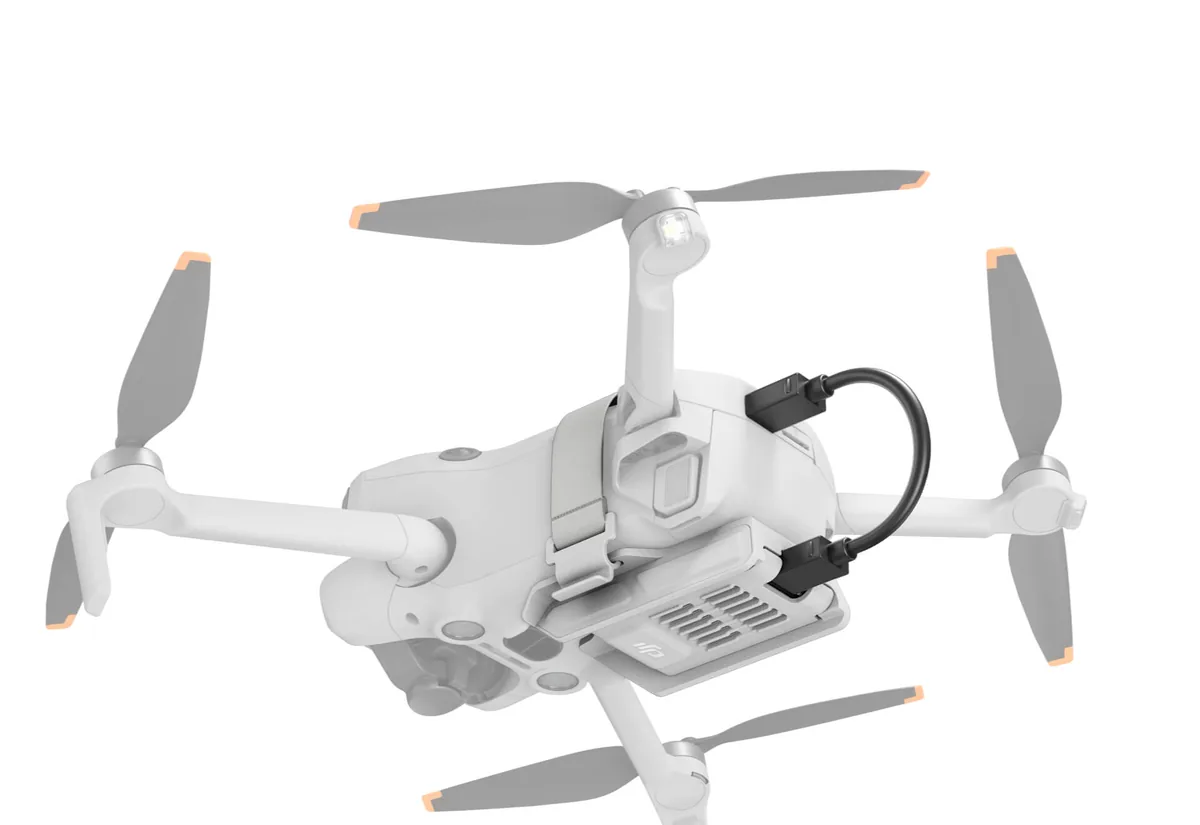
The DJI Mini 4 Pro remains under 249 g with a 1/1.3 inch 48 MP sensor, 34 minutes of autonomy, wind resistance announced at 10.7 m/s, omnidirectional obstacle detection and O4 transmission given for 10 km in Europe. It's the first in the range to prevent you from doing anything: you frame what you want, from where you want, and the camera watches its back.
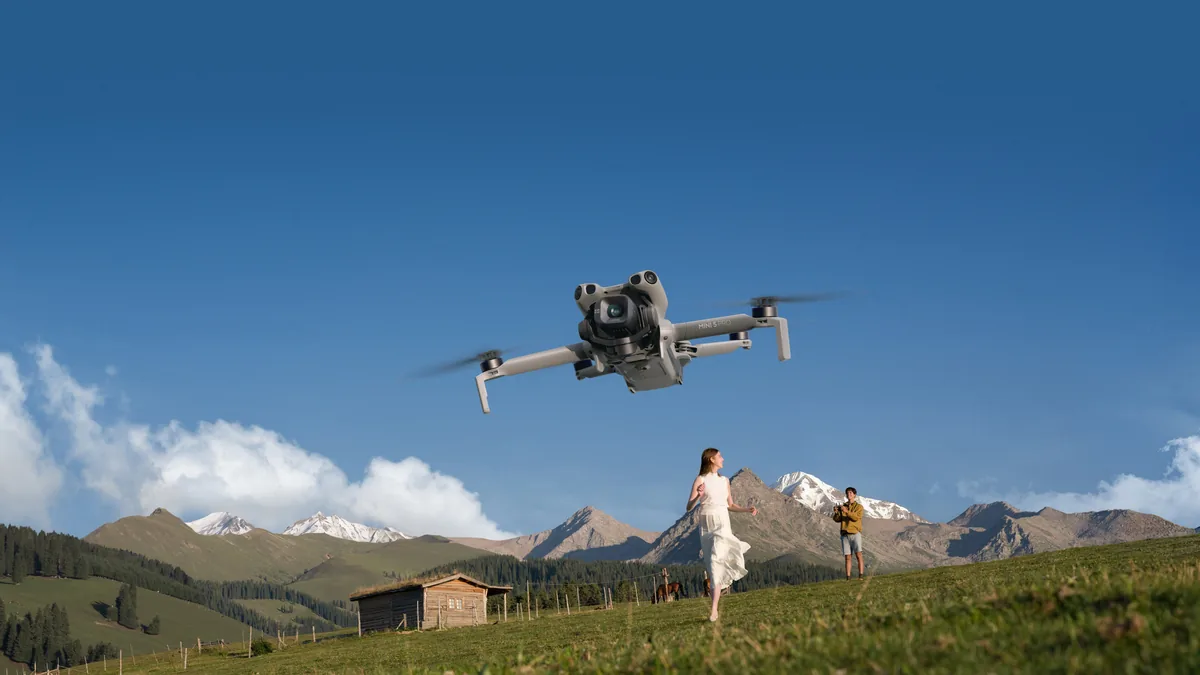
The DJI Mini 5 Pro adds what was missing: a 1-inch 50 MP sensor, 4K up to 120 fps, 36 minutes of battery life, 12 m/s wind resistance, front-facing LiDAR and a gimbal capable of rolling from −180° to 45° to film vertically without cropping. All at 249.9 g, so still in class C0. In the field, it is today the best compromise in the range. To put this into practice, our drone rental gives you recent DJI drones, checked before every departure.
Heavy models: Air 3S, Mavic 4 Pro and Avata 2
The Air 3S weighs 724 g and therefore falls into class C1. In exchange, it offers the same 1-inch 50 MP sensor at 24 mm f/1.8 wide-angle, a second 70 mm f/2.8 telephoto camera on 1/1.3-inch sensor, 45 minutes of battery life and front-facing LiDAR. The Mavic 4 Pro goes even further: around 1,063 g, 4/3 sensor of 100 MP in 28 mm, two telephoto lenses of 70 and 168 mm, 6K up to 60 fps and 51 minutes of autonomy – but in class C2, the most restrictive of the three.
The Avata 2 plays in another league. It is an FPV drone weighing approximately 377 g piloted in immersion, with 23 minutes of autonomy and a 1/1.3 inch 12 MP sensor filming in 4K up to 100 fps. It produces shots that nothing else produces, at the cost of real learning and dedicated equipment.
What we praise, and why
Fox Rider only rents two of these seven aircraft: Mini 4 Pro and Mini 5 Pro. This is no accident of stock. For a weekend in the mountains, a wedding, a real estate visit or a family vacation, a high-end sub-250 g covers most needs while remaining in the most flexible regulatory class. The Neo 2, the Flip, the Air 3S, the Mavic 4 Pro and the Avata 2 are not in our catalog: if your project specifically requires a second focal length or immersion flight, it is better to know before booking rather than by opening the suitcase.
The useful reflex: take the Mini 4 Pro if budget matters and you are filming especially in broad daylight. Take the Mini 5 Pro if you're out early in the morning, late at night, or if you want room for cropping and editing.
More in this section
 Drones
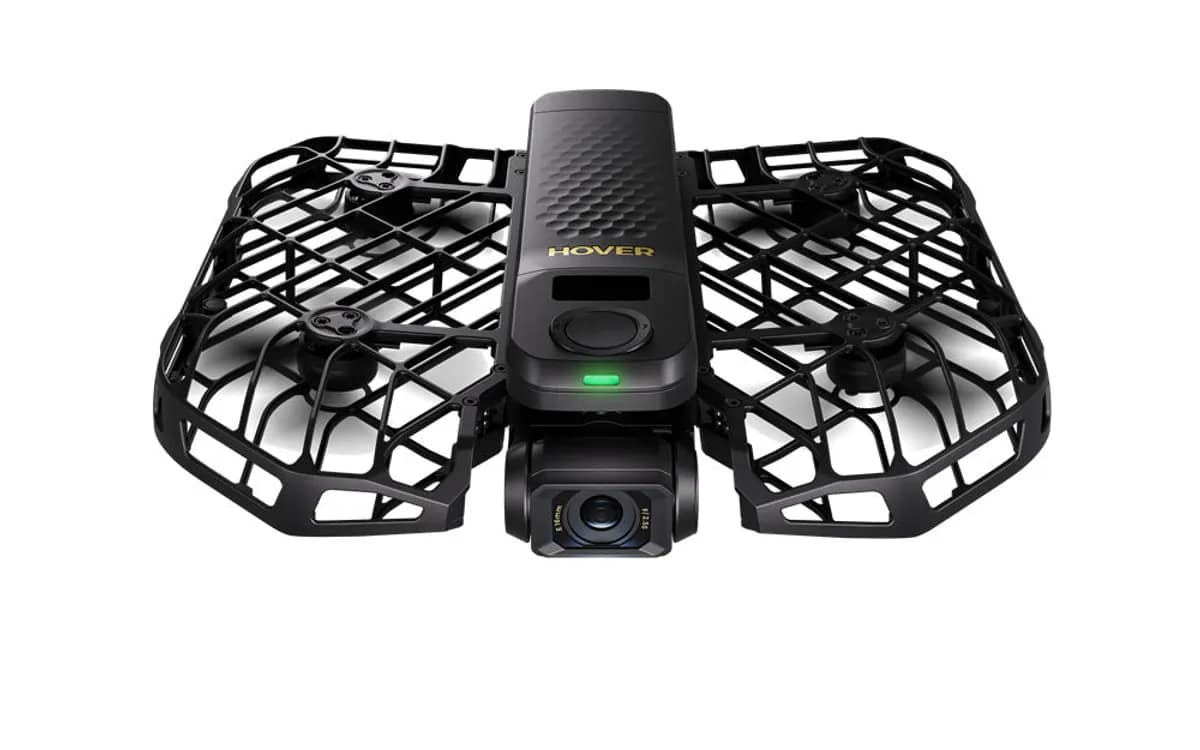
HoverAir X1 ProMax or DJI Mini 5 Pro?
The HoverAir X1 ProMax promises 8K without ever piloting. Faced with the DJI Mini 5 Pro and its 1-inch sensor, here's what the technical sheet doesn't say.
4 min read Drones
Filming people with drones: what the law says
You have the right to take off: this does not tell you whether you have the right to film the people entering the frame, nor to publish the shot.
6 min read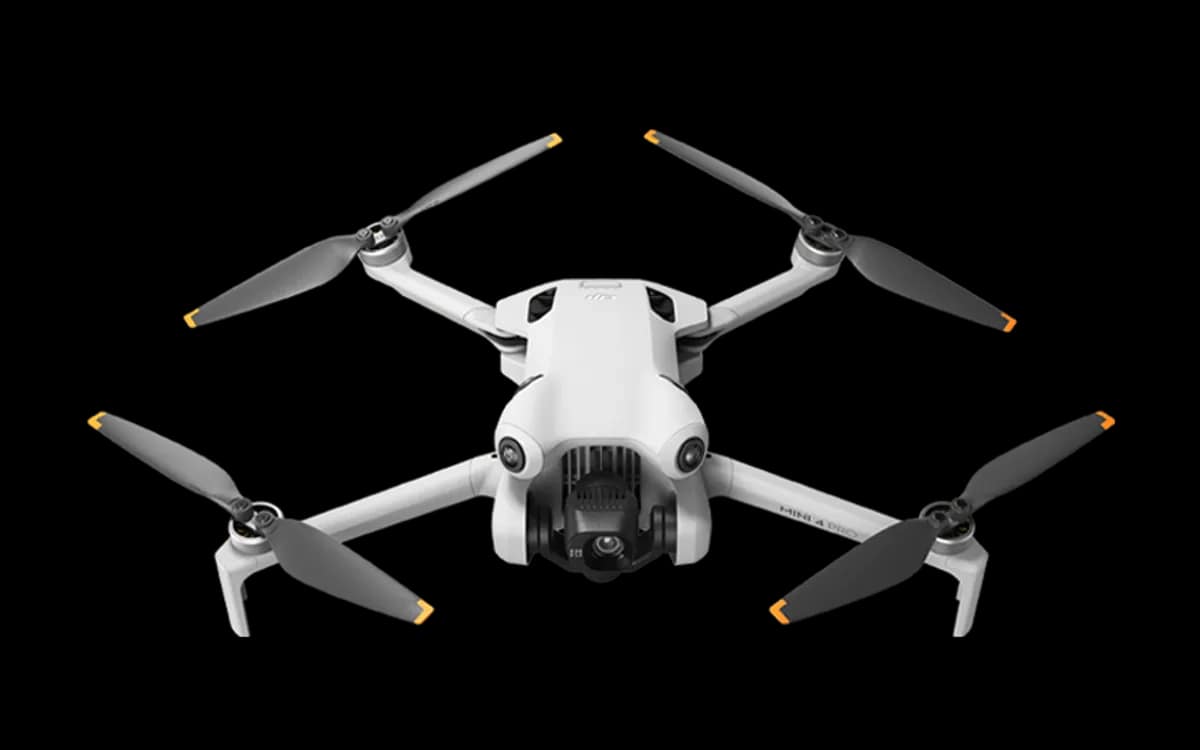 Drones
Drone weighing less than 250 g: what does it change?
Under 250 g, a drone gains real freedoms, but not all those that are attributed to it. Here's what the C0 class really changes, and where the catch lies.
4 min read