
Services
One hour, two hours, a day: what changes on site
The right question is never how long, but how many shots. A duration is not a unit of work, it is a container: it fills with whatever you decide to put in it, and it empties fast if nobody made that choice before arriving. Here is what an hour, two hours and a full day genuinely bring back, and why the gap between the three is not proportional.
The time that does no filming
Twenty minutes on arrival: find the door, go up, unpack, walk the rooms, decide where to start. Fifteen minutes at the end: pack down, check the cards, put the furniture back where it was. In between, every room change costs three to five minutes, and every lens or rig change two more. On a one-hour job, that leaves roughly twenty-five minutes during which the camera is actually rolling. That is not nothing — but it is not an hour.
One consequence worth keeping in mind: the shorter the job, the heavier the fixed time weighs. Over a day, setting up is less than a tenth of the total; over an hour, it is half of it. That is why a very short job is the most demanding format in terms of preparation: everything not decided beforehand gets decided out of the shooting time, and there is barely any.
What each duration holds
| Time on site | What fits | What does not |
|---|---|---|
| One hour | A two- or three-room flat, a shopfront, a short seated interview | The place and its outside, two lighting moods, a second angle |
| Two hours | The whole place, its outside, a few detail shots and someone speaking | Waiting for a specific light, filming an ongoing activity, several speakers |
| A full day | A place living from morning to night, several speakers, two lights, plenty of cutaways | Two sites far apart, or an edit delivered the same evening |
The most useful jump is not from the first row to the third: it is from the first to the second. One extra hour does not double the shooting time, it triples it, because setting up and packing down are already paid for. It is the one time the arithmetic works in your favour, and that is why I often suggest two hours when someone asks for one.
A full day is not just a long afternoon
Over a full day, it is no longer the duration that produces the images, it is the place. You watch people arrive, you watch the light travel from one facade to another, you watch an activity begin and end. The best shots of a shooting day are almost always the unplanned ones, and they exist only because you were still there at three in the afternoon. It is also the only duration that lets you miss something and go again: over an hour, a missed take is a lost take.
Two visits sometimes beat one long one
An east-facing facade and a west-facing garden are never at their best at the same hour. Stretching a single visit until evening costs a lot in waiting, whereas two short visits — one in the morning, one late afternoon — bring back both lights without paying for the four hours in between. The price of that solution is a second journey, so a second set-up. It wins when the two moments are genuinely distinct, and loses when the only aim is to split the day in two.
The same logic applies to a place that changes state rather than light: a hall before and after set-up, a site before and after the partitions go in, a shop closed then open. Those pairs cannot be shot in one continuous block, and trying to fit them into a single duration means sacrificing one of the two.
What stretches a duration without anyone deciding it
- Waiting for the light. A west-facing facade cannot be photographed at eleven. The wait is not wasted time, but it counts inside the duration.
- Somebody running late. On an interview it is the one item you cannot make up: you do not film someone who is not there.
- A place that is not ready. Tidying a room takes ten minutes, and those ten minutes produce no images at all.
- A request that grows on site. “While we are at it, we could also…”: legitimate, often a good idea, but it should be said beforehand, not at minute forty.
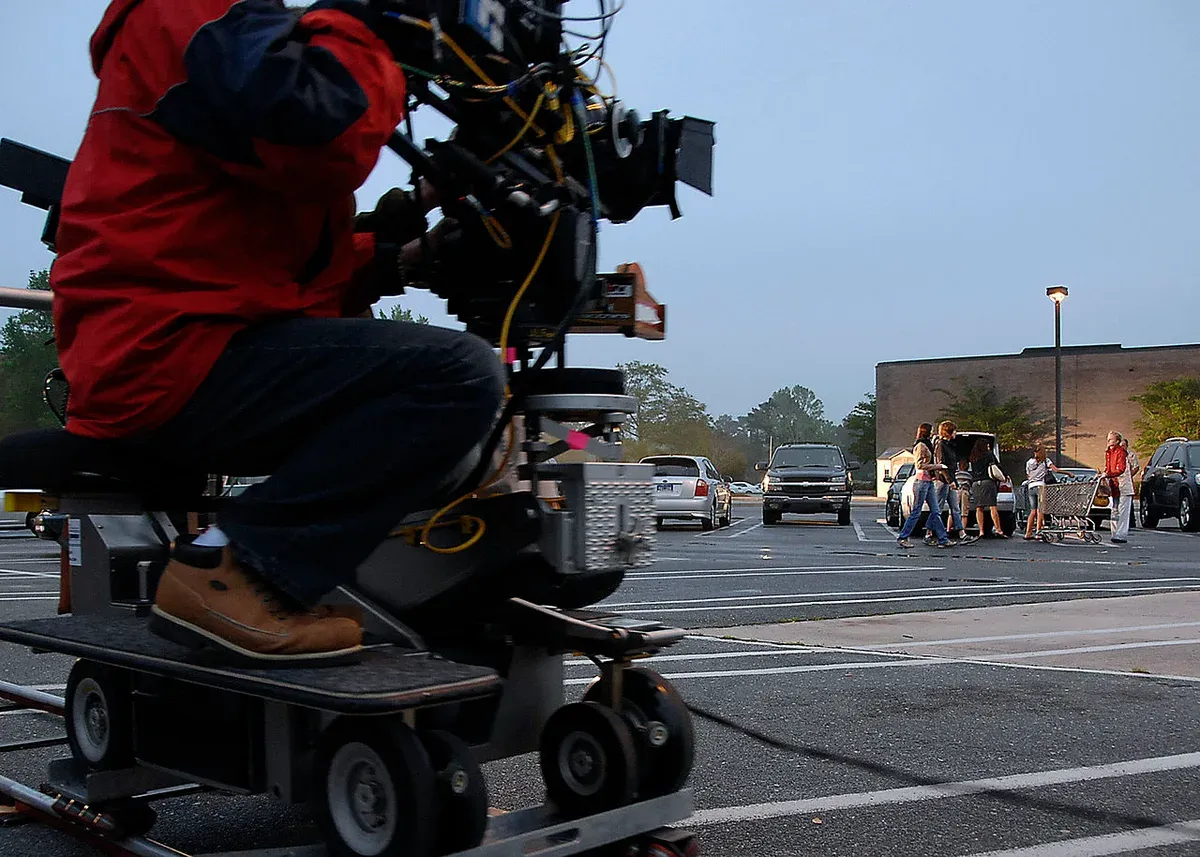
One last thing, invisible in the table: time on site says nothing about editing time. A well-prepared hour of shooting can take longer to cut than a poorly framed half-day, because sorting works on what you brought back, not on how long you spent. And the deliverable format weighs on that as much as anything — which video format to choose explains why the same day does not yield the same shots depending on the target.
So do not ask me for a duration: tell me what there is to show, and I will tell you how long it takes. That is exactly what the request form is trying to collect, and it is the same reasoning that how many days to rent for applies to hire, and the event gear guide to a whole evening.
More in this section
 Services
Access to the venue: what stalls a shoot on the day
When a shooting day goes wrong, the camera is almost never the cause. A door is. Here are the five that close, and the six lines that open them.
5 min read Services
360 tour or photo gallery: what the buyer sees
A gallery shows twelve chosen moments. An immersive tour shows a home. The difference is not the quality of the photos, but what they leave out.
2 min read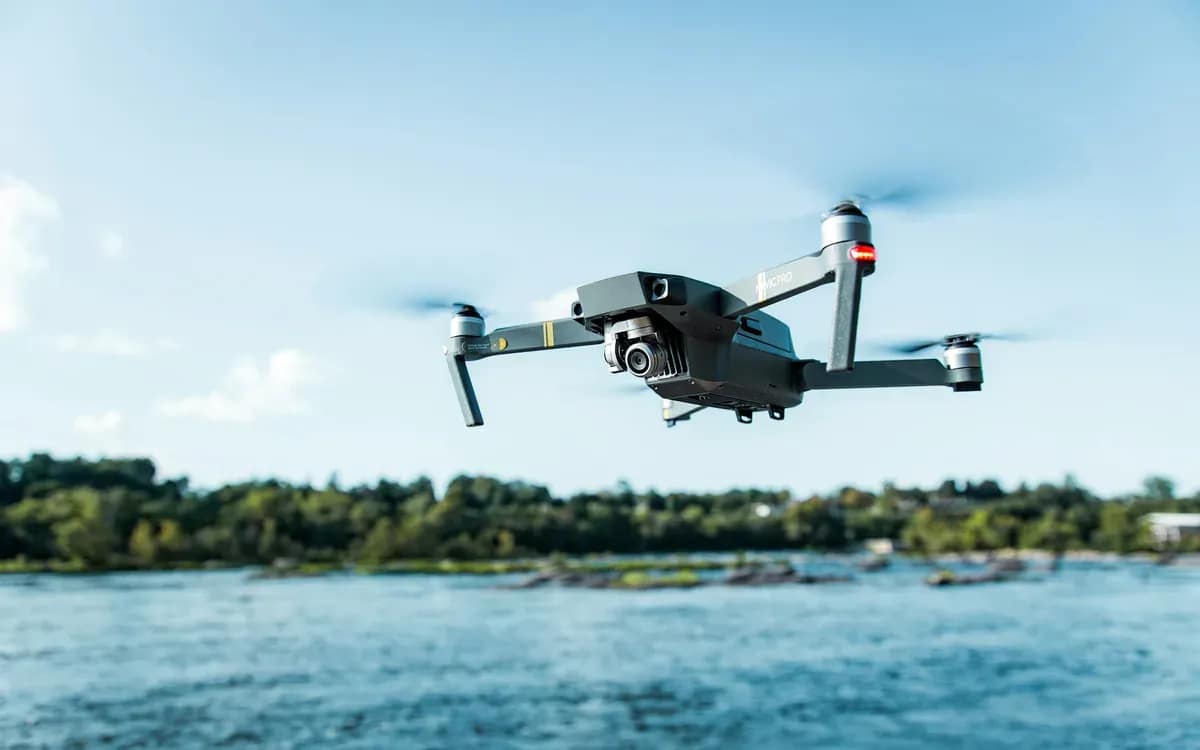 Services
What an aerial shot adds to a property video
Seen from above, a property stops being a series of rooms and becomes a place again. It is the only image that answers “where exactly is this?”.
3 min read