
Services
What an immersive tour does not show
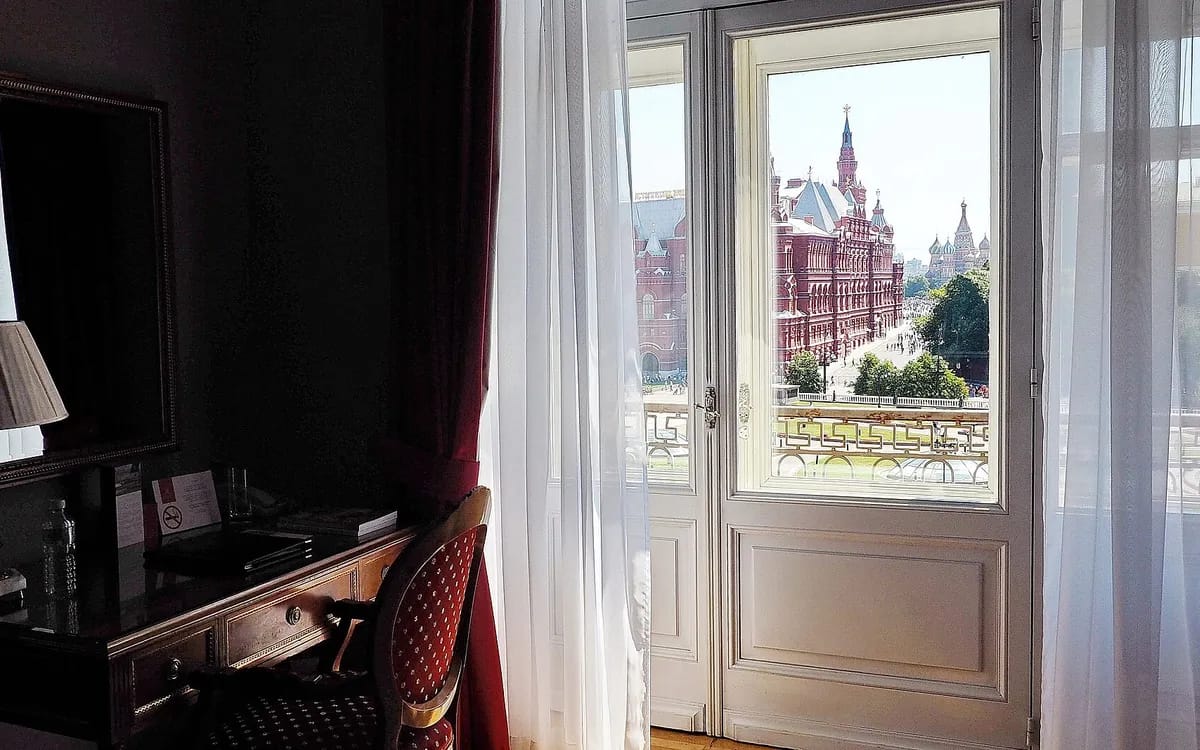
An immersive tour does one thing very well: it lets someone walk around your place, alone, at midnight, as many times as they like. That is a lot, and it is why it filters visitors better than a photo gallery. But it has blind spots, and I would rather name them before coming than afterwards. A tour that promises more than it shows manufactures disappointment at the real visit — that is, at the worst possible moment.
What cannot be photographed will not be there
Noise, first. The busy street, the courtyard where you hear the restaurant’s extractor, the neighbour who plays the drums on Saturdays: none of that exists in a silent tour, and an immersive tour is silent. Then smell — the stairwell, the cellar, the ground-floor kitchen. Temperature, damp, the draught under the door, the light that dies at four in the afternoon in winter: these are things you feel in three seconds on site and that no image carries.
Finally, there is what an image smooths over without meaning to. A hairline crack, a damp mark at the foot of a wall, a tired seal, a creaking floorboard, a window that closes badly: at the resolution a tour is served in, those details fade on their own. I do not erase them — I erase nothing — but I do not bring them out either. Better said plainly: an immersive tour is not a survey, it replaces no technical document, and nobody should use it as a warranty on the state of the property.
The neighbourhood stops at the window
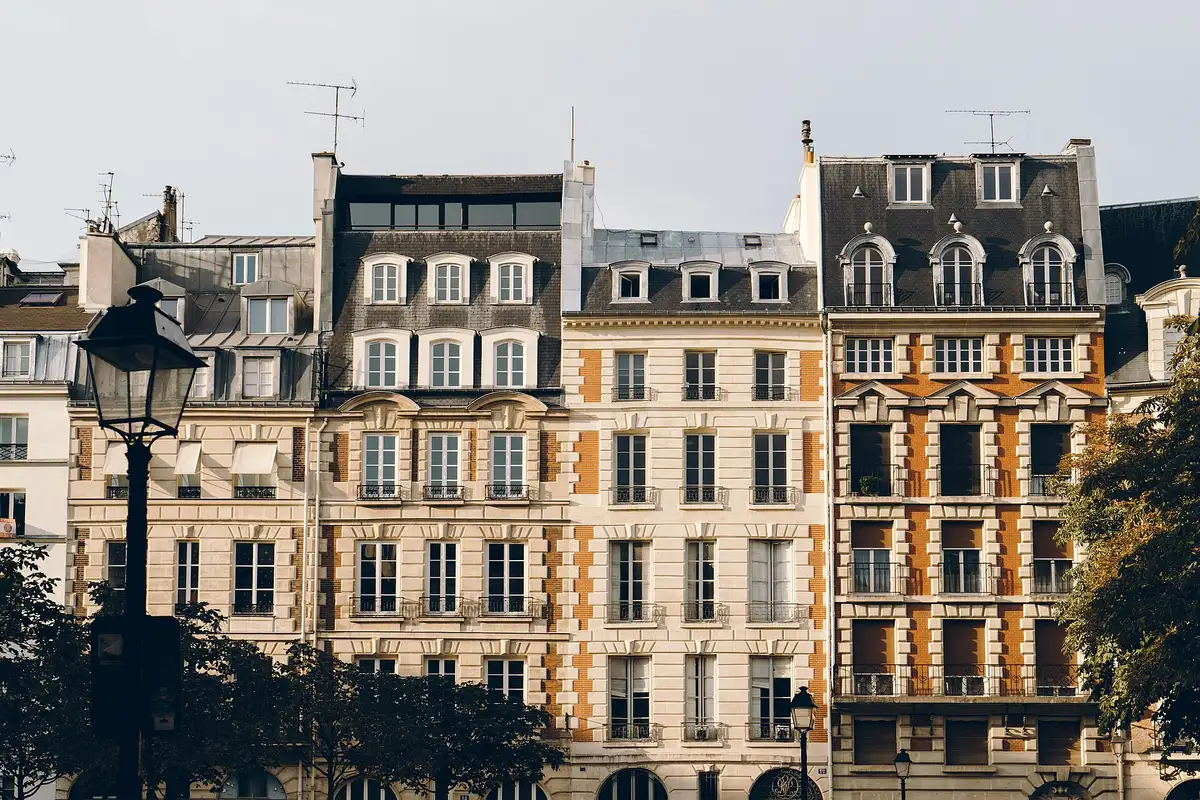
An immersive tour starts at the front door. Everything before that — the street, the bakery on the corner, the real distance to the tram stop, parking at seven in the evening — stays outside. You can place a station on the pavement, and it often helps: it shows the façade and the entrance, which reassures. But one viewpoint in front of the building does not say whether the neighbourhood is alive or dead, and nobody will buy a neighbourhood from a still image.
Facing windows, cast shadow, neighbours
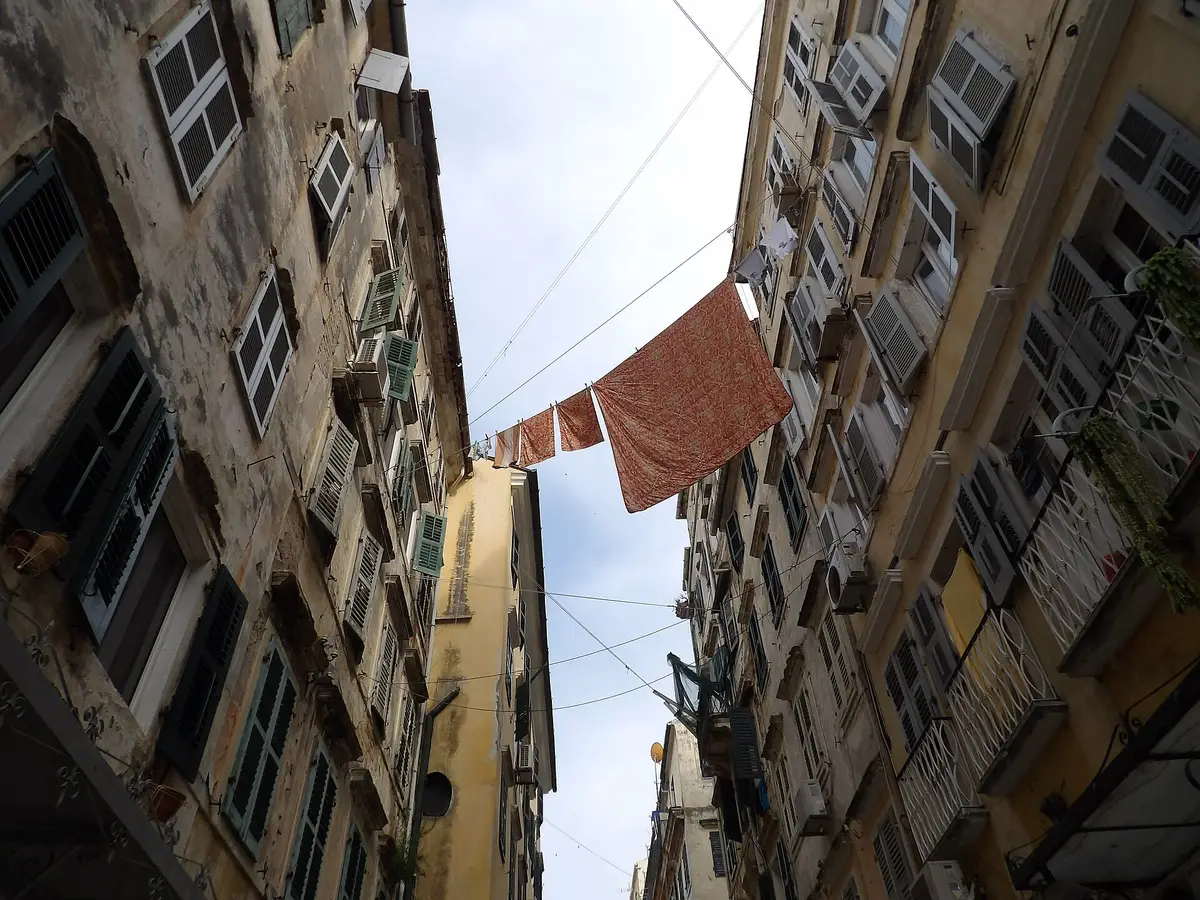
From inside, a window is almost always blown out: the outside becomes a white rectangle. That is physics, not a gear failure — the brightness gap between a room and a street exceeds what a sensor takes in one shot. It can be corrected, and I do it when the view is a selling point. But the building seven metres opposite, the block that takes the terrace’s sun from three o’clock, the neighbour’s window looking straight into the bedroom: all of that reads badly even when well exposed, because an image does not give distances.
Common areas are almost never in it
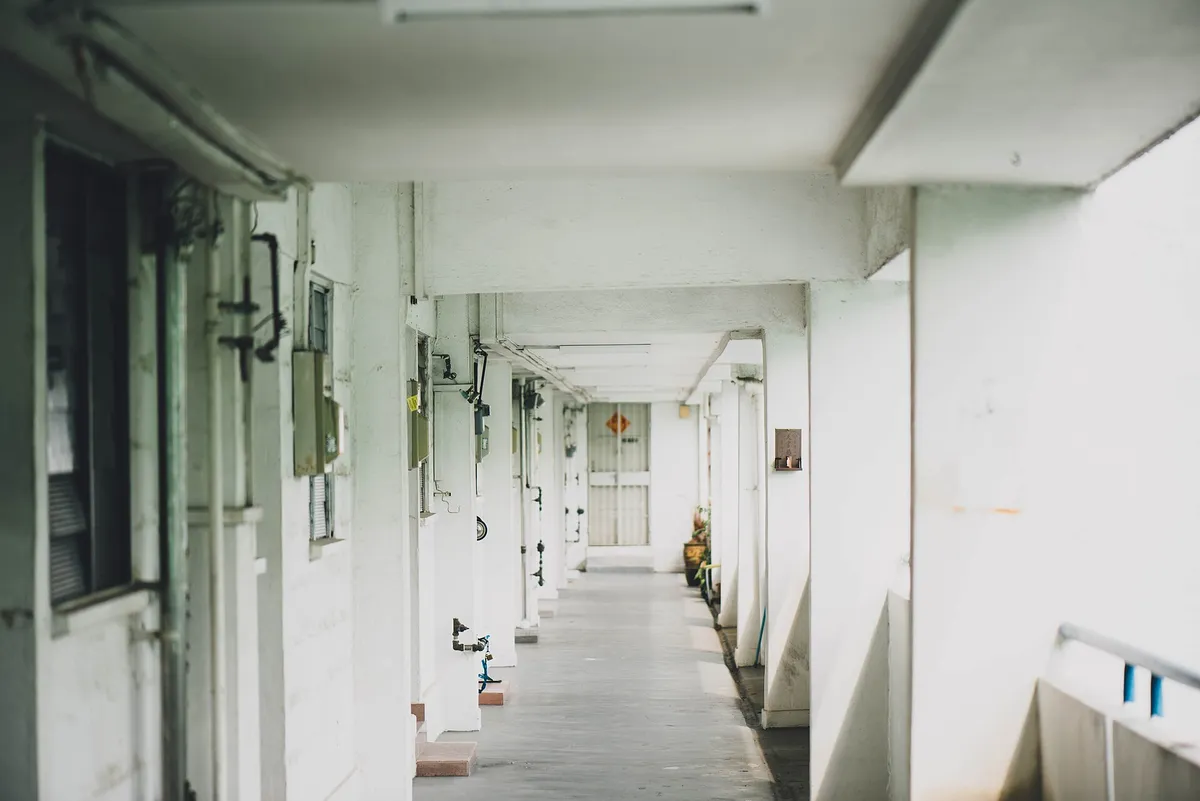
The hall, the lift, the walkway, the bike room, the cellar: a buyer discovers them on the day of the real visit, and they weigh heavily on the decision. I can film them, but they belong to the building’s co-ownership, not to you. Publishing the inside of a building without the managing agent’s agreement is not a formality, and the question comes up before the shoot, not after. When the agreement exists, two stations are enough — entrance and landing — and they often reassure more than one more room.
Volumes read badly, and light flatters everyone
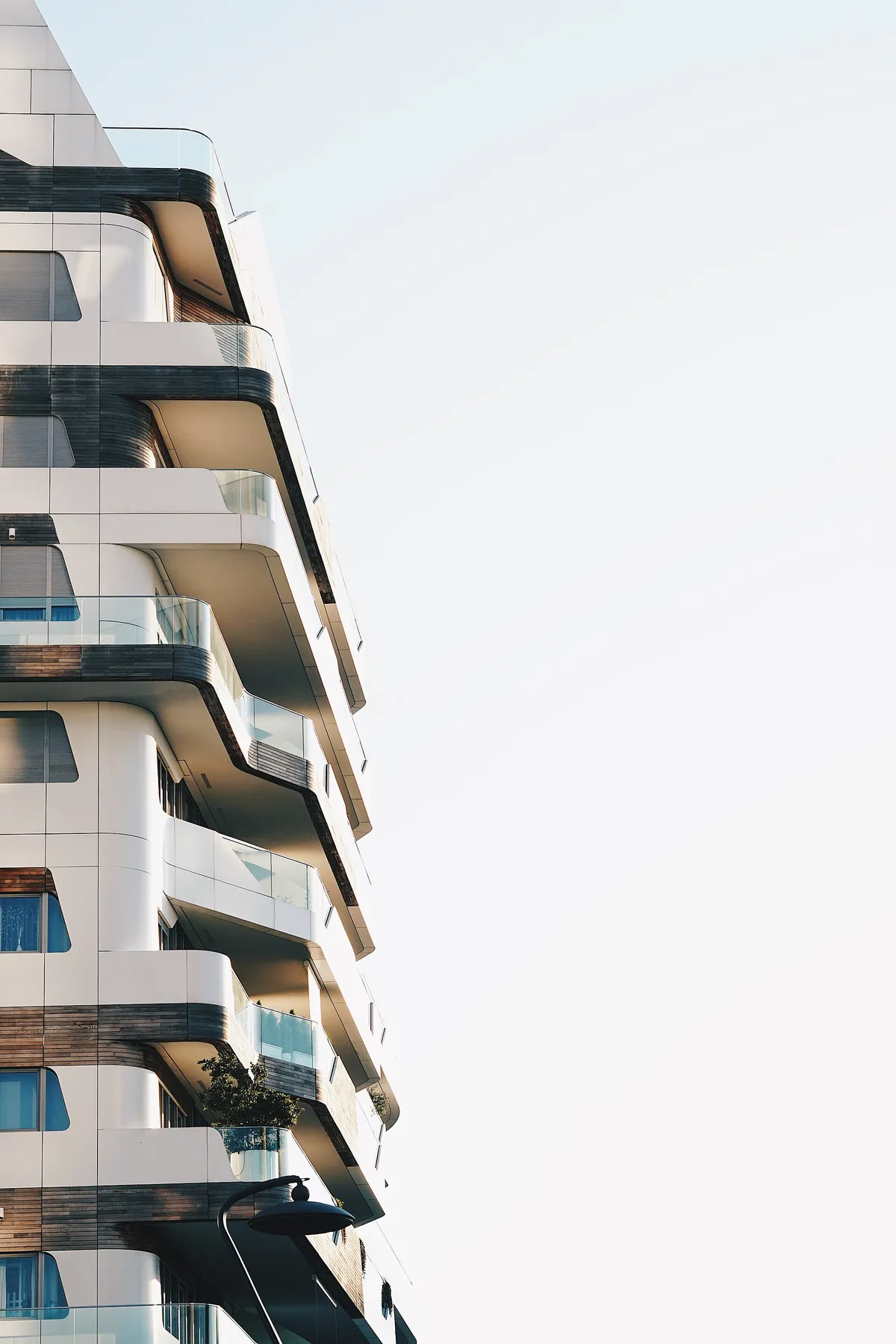
A 360-degree shot stretches the edges and pushes the centre away. Result: a small room looks generous and a large one looks ordinary. That is not cheating, it is the projection, and it always leans the same way. Ceiling height barely reads at all: it is the dimension visitors rediscover on site, for better or worse. Same for light — we shoot at the best hour of the day, of course, and nobody shows their living room on a Tuesday in November at five in the afternoon.
What is left for the real visit, and why that is good news
None of that is a flaw to fix: it is a division of labour. The immersive tour sorts — it filters out the merely curious, avoids pointless trips, lets the visitor come back ten times without disturbing you. The real visit does what no image will: it delivers noise, smell, height and neighbours. Stated in the description, these limits make the physical visits fewer, and better.
In practice, that is three lines placed under the tour: what was captured, on what date, and what has to be checked on site. It scares nobody off — on the contrary, a seller who states the limits looks like someone with nothing to hide. Above all it avoids the sentence everyone dreads at the second viewing, “this is not what I saw”, and that sentence costs far more than a written clarification three weeks earlier.
On what 360 can do and what it does not replace, this piece is blunt; and property seen through drone and 360 video covers the other half of the file, the part filmed from outside. If you want us to look at your property together and decide what is shown, what is explained and what is kept for the visit, tell me in a property service request.
More in this section
 Services
360 or a classic camera to film a place
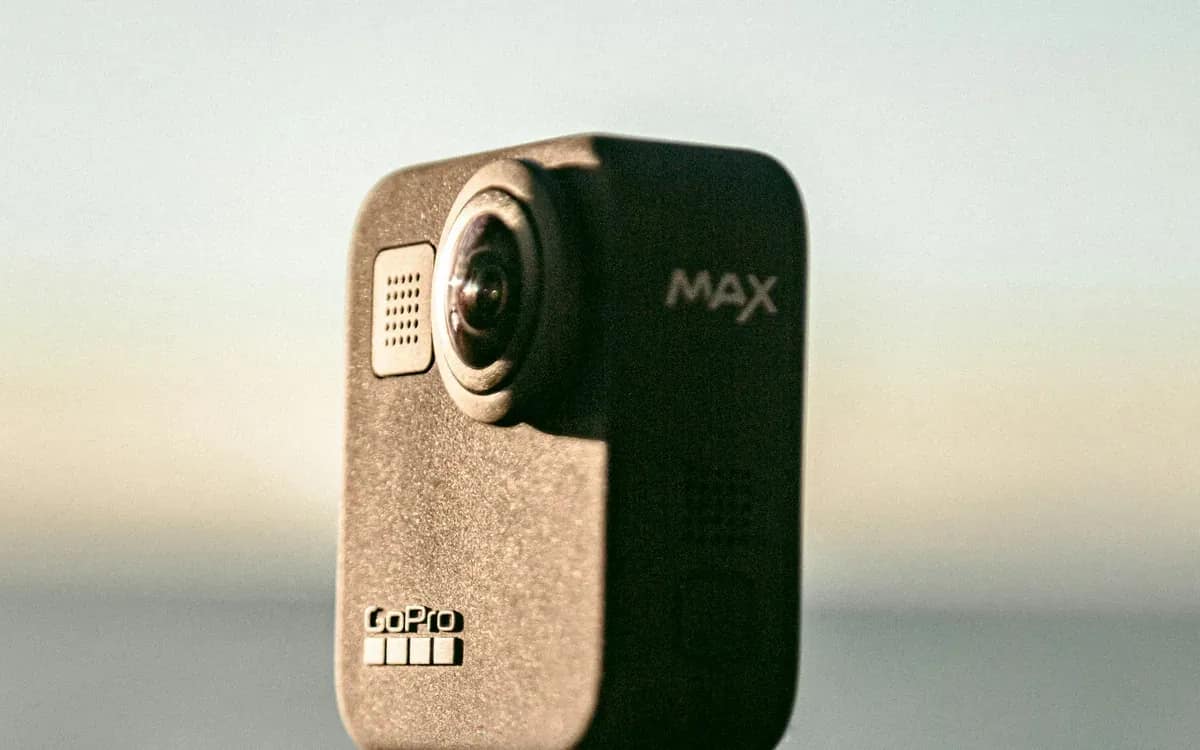
A 360 records everything and chooses nothing. A classic camera chooses and leaves the rest outside. The right tool depends on what the viewer must be able to do.
2 min read Services
Sound and light for an evening, with my partner
I do not rent out any PA system and I do not rig lights. For that I work with VLK Events in Lyon — and you deal with one person only: me.
2 min read Services
Filming a seminar: what happens to it afterwards
A company day filmed without knowing what the footage is for produces a file nobody opens. The question of use comes before, not after.
2 min read