
Vlogging & creation
Location sound: what you actually hear
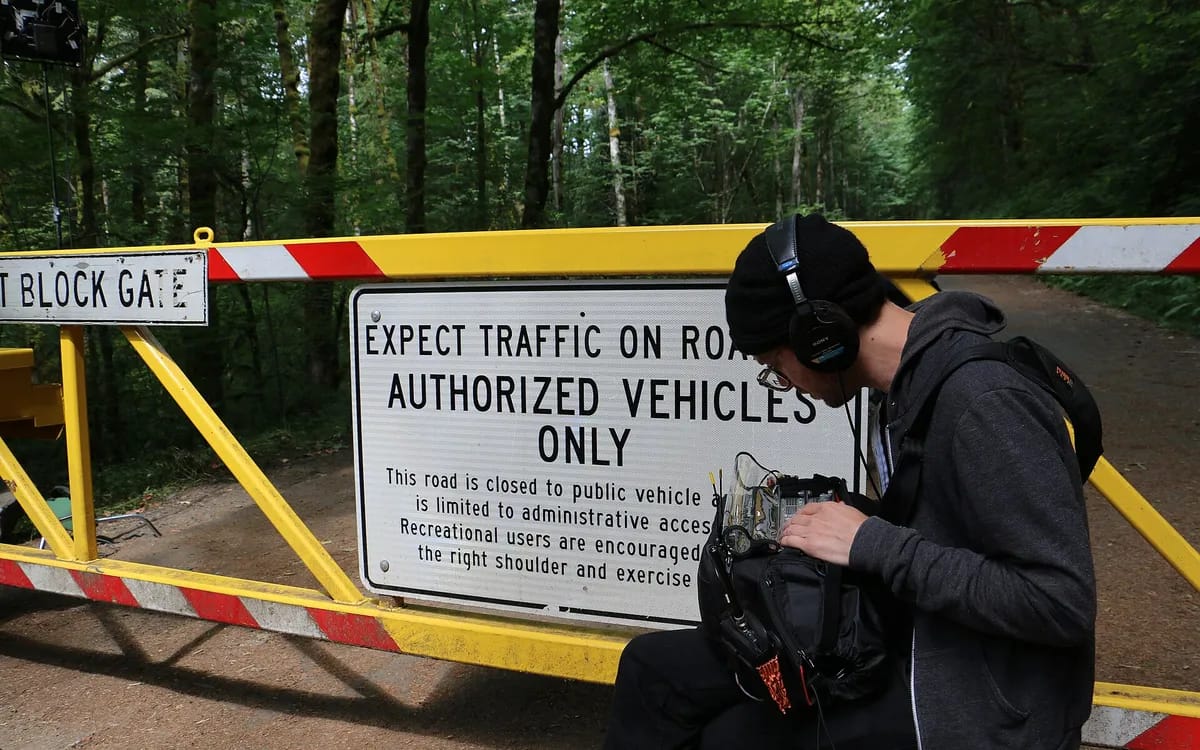
The eye forgives; the ear does not. A slightly dark image passes, a slightly wide frame passes, a shaky shot still passes. A hissing soundtrack does not: after twenty seconds, people close the tab. It is the most unfair imbalance in this trade, and the one people prepare for least. Here is what, in an ordinary room, decides the quality of a soundtrack before anything has been plugged in.
The three noises you stop hearing once you live there
- Ventilation. An air handling unit, a mechanical extract, an air conditioner: a continuous broad hiss that the brain filters out in three minutes and a microphone never does.
- The street. You no longer notice it behind a window you open every day, yet it sits in the same frequency band as a man’s voice.
- The electrical hum. A kitchen fridge, a server rack behind a partition, a tired fluorescent tube. Low, steady, and very hard to remove without damaging the voice.
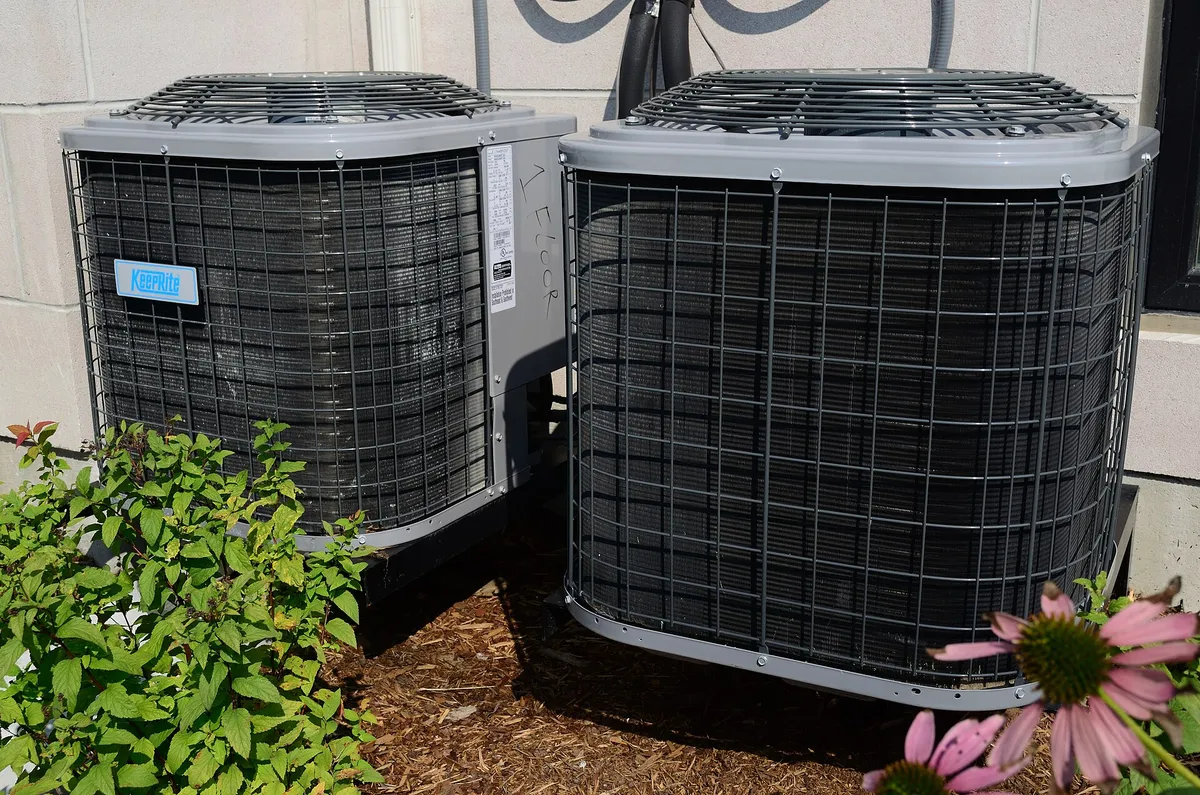
The test takes thirty seconds and needs no gear: walk into the room, keep quiet, and listen for half a minute. What you hear then, the microphone will hear ten times louder. If you hear nothing, it almost always means you did not wait long enough.
Hence a simple rule: the person who occupies a place is the worst judge of its noise, and the first visitor through the door is the best. If someone has already told you your office is noisy, believe them rather than your own ears. It is not a matter of a fine ear, it is habituation, and it is complete after two days.
An empty room rings
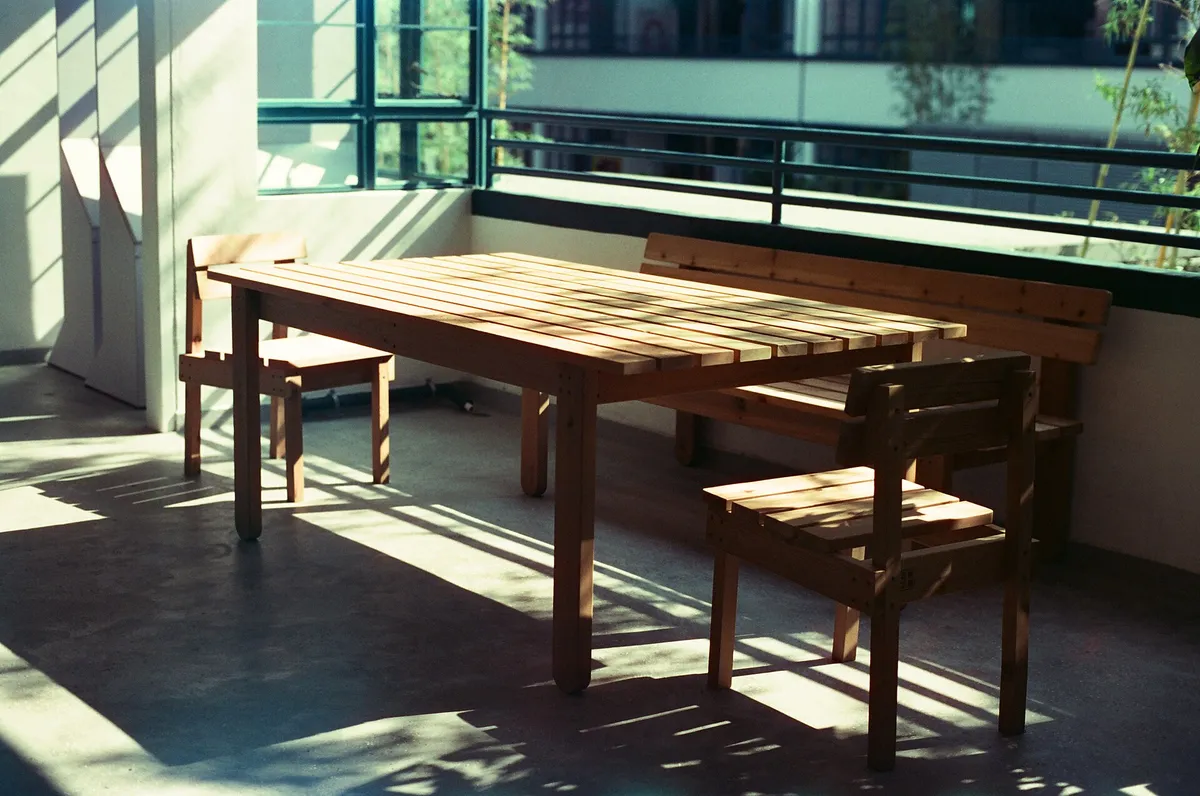
That is the paradox of property shoots and new-build premises: the cleaner and finer the room, the worse it sounds. A hard floor, bare walls, a large glazed bay, and the voice bounces three times before reaching the microphone. Reverberation cannot be removed in the edit — it can be softened, not undone. On site, four things genuinely reduce it: move the microphone closer, speak facing something soft rather than a wall, drop coats and bags out of frame inside the room, and close the doors of the empty rooms next door.
The camera’s microphone is not a microphone
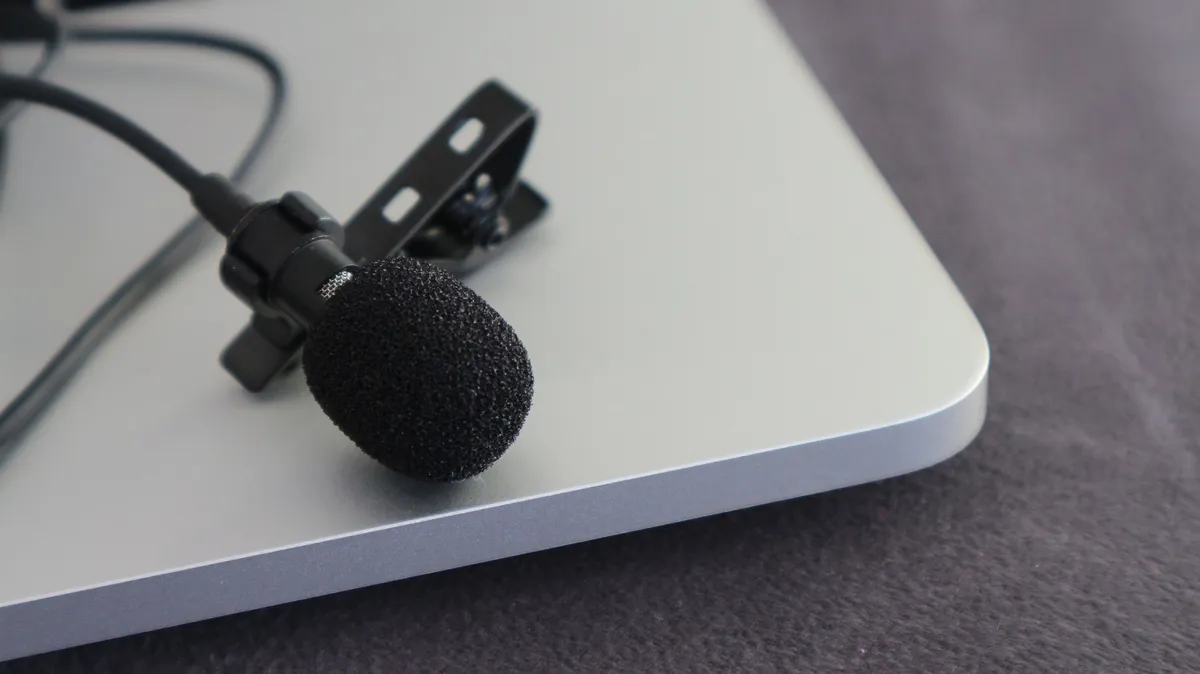
It records the room, not the person. At two metres it captures as much space as voice, and no setting makes up for distance: that is physics, not technique. A lavalier clipped twenty centimetres from the chin changes everything, and it is the one object that on its own takes a video from amateur to acceptable. The same reasoning holds outdoors, where wind becomes the first enemy — action camera sound, external mic and wind covers that case.
| The noise | Can it be fixed? | What you do on site |
|---|---|---|
| Continuous ventilation | Partly | Switch it off for the take, switch it back on afterwards |
| Traffic, street | No | Change room, or wait for a thirty-second lull |
| Room reverberation | No | Move the mic closer and fill the room outside the frame |
| A bump, a door, a single click | Yes | Do the sentence again, straight away, not at the end |
| Wind outdoors | Partly | Windshield essential, back to the wind, mic under the collar |
Recording the room’s silence
It is the most profitable half-minute of the day. Before packing up, you call for complete silence and record the room as it is: its ventilation, its hum, its street. That bed, called room tone, lets the edit glue together two sentences recorded five minutes apart without the ear hearing the join. Without it, every cut produces a small artificial hole of silence — and it is that hole, more than the noise itself, that makes an otherwise clean video sound amateur.
Headphones, or nothing

A fine microphone sitting on a table guarantees nothing: what guarantees is listening while you record. Headphones are not a comfort accessory, they are the only way to discover on site — and not three days later — that a mic battery was low, that a cable had an intermittent contact, or that a fridge kicked in halfway through the third sentence. On a shoot, half the sound accidents are not settings errors: they are things nobody listened to.
What is decided beforehand, and only once
The room where someone will speak is chosen before the day, not when you set up in it. The criterion is not beauty: it is silence, plus something soft somewhere. A carpeted meeting room beats a marble lobby, every time. At events, where you choose nothing, the logic reverses and gear takes over: the wireless mic for speeches and filming a concert or a festival describe that far harder ground.
If you already know that a room echoes, that a ventilation unit cannot be switched off, or that a street runs behind the window, say so: that is what decides where the microphones go, and therefore when and where the shoot happens. One line in a request for a shoot on your premises beats a discovery on site, because a discovery on site is always paid for in lost takes.
More in this section
 Vlogging & creation
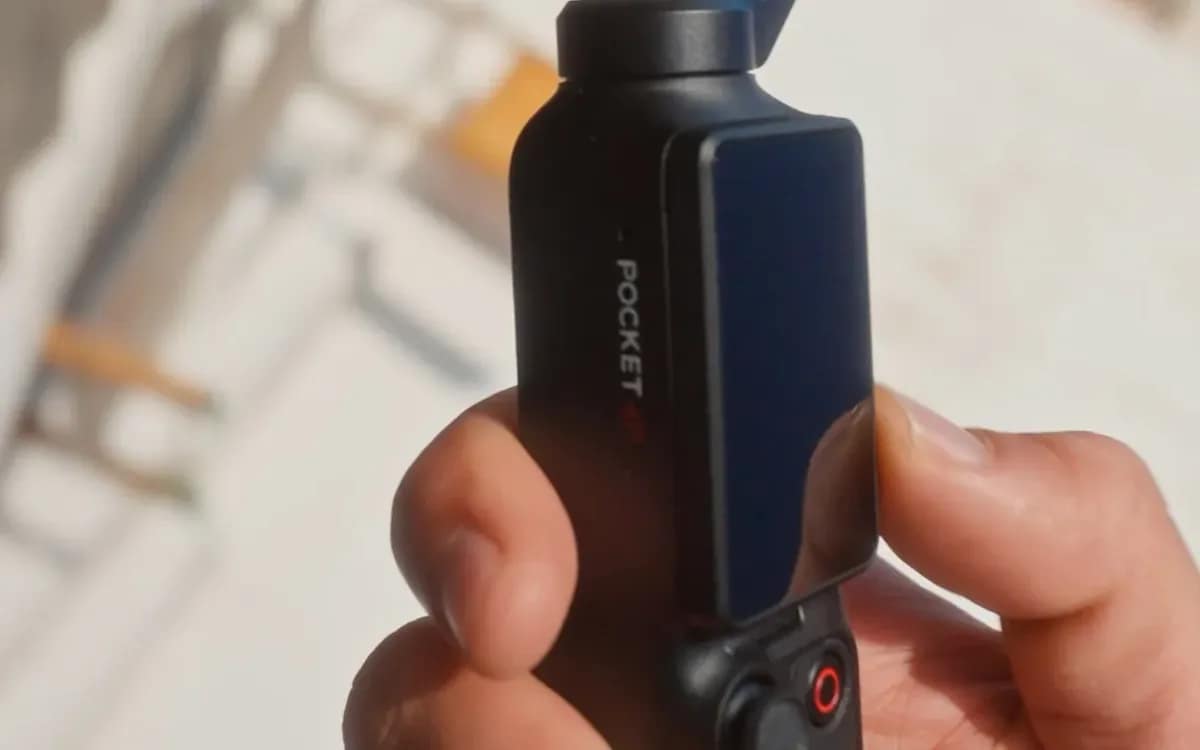
Osmo Pocket 3 rental: why we rent out the Pocket 4P
Many are looking to rent the Osmo Pocket 3: we rent its successor, the DJI Osmo Pocket 4P, vlog accessories included.
4 min read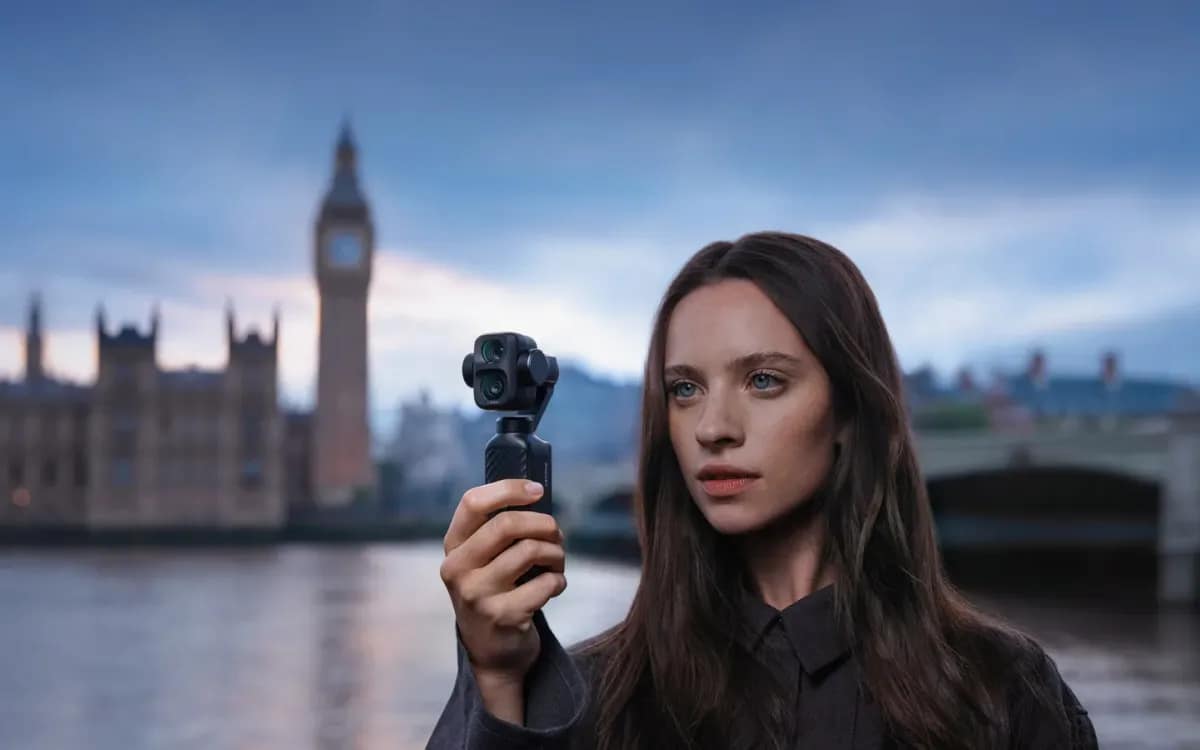 Vlogging & creation
Osmo Pocket 4P: shooting vertical without cropping
Cropping 4K to 9:16 leaves only 1,215 pixels of width. The Pocket 4P’s vertical mode gives 1,728. The arithmetic, and what it changes on a shoot.
4 min read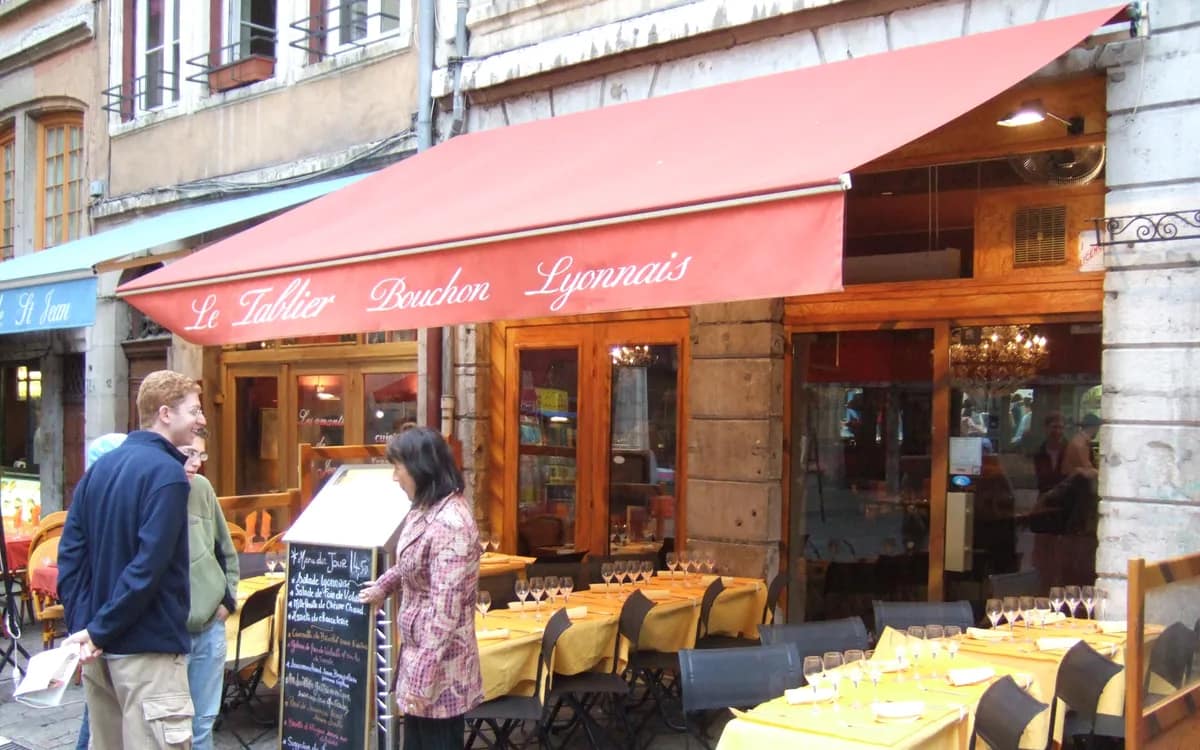 Vlogging & creation
Filming your business in Lyon: half a day is enough
The timed half-day filming plan in a Lyon business, the eight shots that are really useful, and the legal rule to know beforehand.
4 min read